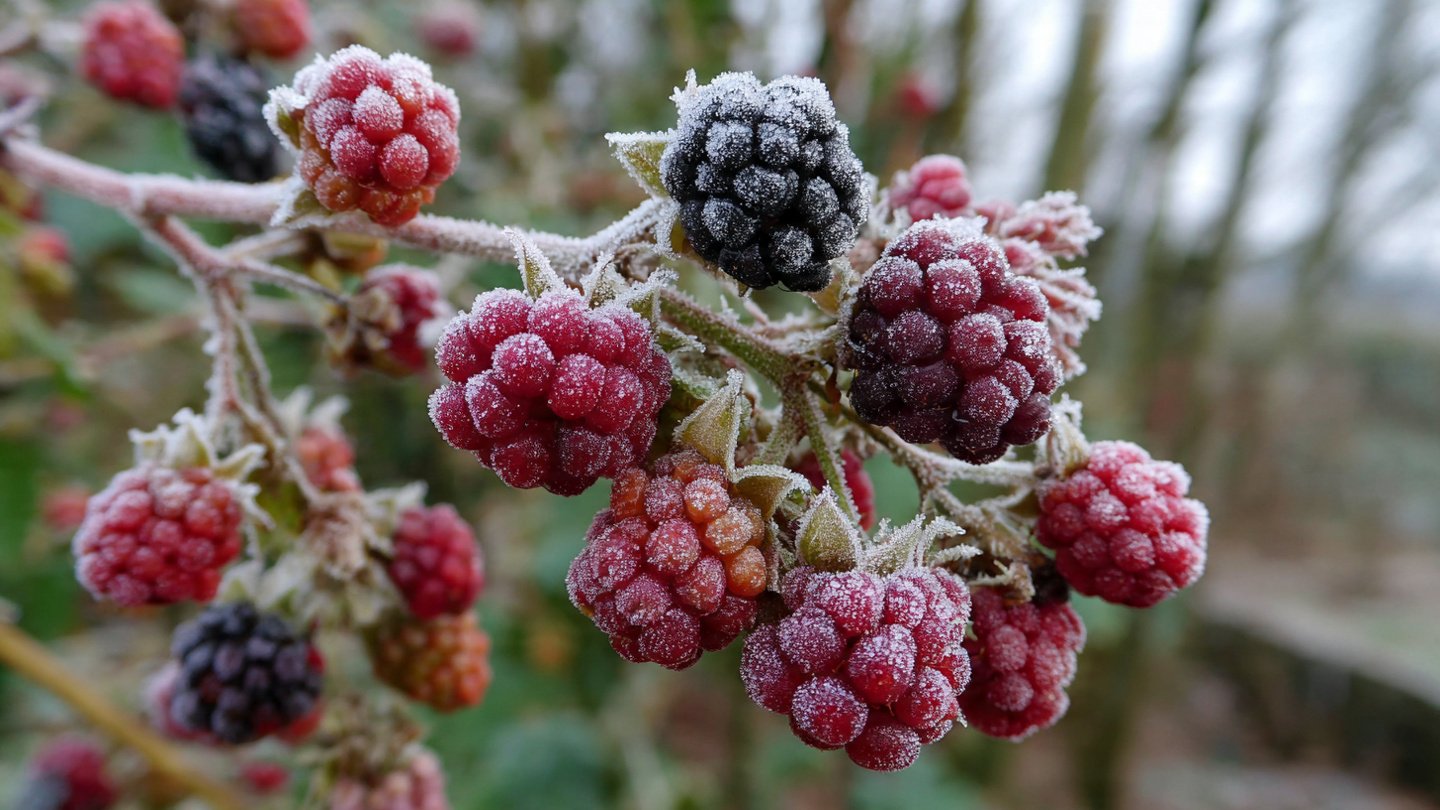
Blackberry canes are a delightful addition to many gardens, producing delicious fruits that are enjoyed fresh, in jams, and in desserts. However, blackberry plants can be vulnerable to cold weather during the winter months. Protecting these canes is essential to ensure a fruitful harvest in the following seasons. In this article, we will discuss the best strategies for safeguarding blackberry canes from harsh winter conditions, as well as common questions and answers related to this topic.
Understanding Blackberry Plants
Before diving into protection methods, it’s crucial to understand the growth habits of blackberry plants. Blackberries are perennial plants known for their long, arching canes, which typically die back but regrow from the root system each year. Depending on the variety, canes can be erect, semi-erect, or trailing. Proper care during the winter can prevent damage to these canes and promote healthy growth.
Why Winter Protection Matters
Blackberry canes are susceptible to frost, snow, and ice, which can hinder their growth or kill them outright. Severe cold can damage the buds that will produce fruit in the spring, affecting yields and quality. Additionally, winter weather can expose plants to pests and diseases, further complicating the situation. Therefore, winter protection is critical for ensuring a successful growing season.
Best Strategies for Protecting Blackberry Canes
1. Choosing the Right Variety
One of the first steps in ensuring winter survival is selecting a cold-hardy variety of blackberry. Some types are inherently more resistant to cold than others. For regions with harsh winters, consider varieties such as ‘Chester,’ ‘Triple Crown,’ or ‘Black Satin,’ which have shown resilience against cold temperatures.
2. Pruning Canes Properly
Pruning blackberry canes in late fall is essential for promoting healthy growth and minimizing winter damage. Remove any dead or diseased canes and thin out the healthy ones to encourage better air circulation. This will also prevent excess crowding, making it harder for cold air to circulate around your plants.
3. Mulching Around the Base
One effective strategy for protecting blackberry canes from the cold is to apply a thick layer of mulch around the base of the plants. Organic materials like straw, wood chips, or shredded leaves can insulate the roots and protect from temperature fluctuations. Mulching also helps retain moisture, which is crucial during dry winter months.
4. Covering Canes with Frost Cloth
For extra protection against extreme cold temperatures, consider wrapping or covering your blackberry canes with a frost cloth. This lightweight material can trap heat and prevent the canes from experiencing direct exposure to cold air. Ensure that the cloth is breathable to avoid suffocating the plant, and secure it well to prevent it from blowing away in windy conditions.
5. Using Row Covers
Row covers are another excellent way to insulate blackberry canes during the winter months. They can be draped over the plants to create a microclimate that retains warmth. Row covers are usually lightweight and can easily be removed when temperatures rise, allowing your blackberry plants to resume their growth cycle.
6. Bending and Tying Down Canes
Some gardeners prefer bending and tying down canes to the ground. This technique provides several benefits, such as minimizing the above-ground exposure to harsh weather conditions and allowing the canes to stay in contact with the insulating soil. Use soft ties to secure the canes gently in position without causing damage.
7. Providing Windbreaks
Strong winter winds can exacerbate cold stress on blackberry canes. To combat this, consider installing windbreaks around your garden area. This can be done using fencing, shrubs, or even planting tall grass. Windbreaks slow down the wind speed and can help create a more stable temperature environment for your blackberry canes.
8. Watering Before the Frost
A common misconception is that plants should be left dry during winter. However, adequate watering before the ground freezes is critical. Moist soil retains heat better than dry soil and can keep the roots of your blackberry plants from freezing. Just be cautious of overwatering, which can lead to root rot.
9. Applying Fertilizer in Late Summer
Proper nutrition before winter is vital. However, avoid applying high-nitrogen fertilizers late in the season, as this can encourage new growth that is more susceptible to cold damage. Instead, focus on balanced fertilizers earlier in the growing season, allowing your plants to store energy for the winter.
10. Monitoring Winter Conditions
Keeping an eye on the weather can help you prepare for sudden cold snaps. Be proactive by checking forecasts, and if extreme weather is predicted, add extra protection measures like additional mulch or covers to your blackberry canes.
FAQs
1. How do I know if my blackberry canes are damaged by the cold?
After winter, check for signs of damage such as dead or dried-out canes. You can prune back any dead sections, and if the base of the plant is still alive, it may produce new growth in the spring.
2. When should I start protecting my blackberry canes for winter?
As a general guideline, begin your winter protection efforts in late fall, around the time of the first expected frost. Monitoring the weather can help you time this appropriately.
3. Can I use plastic to cover my blackberry canes?
Avoid using plastic, as it can trap moisture and create a humid environment that promotes mold and rot. Instead, opt for breathable fabrics like frost cloth or burlap.
4. What temperature is too cold for blackberry canes?
Blackberry canes are generally hardy to around -10°F (-23°C), depending on the variety. However, extended exposure to temperatures below this can cause damage.
5. Should I remove mulch in the spring?
Yes, once temperatures begin to warm up and new growth appears, you should remove the mulch to allow the soil to warm up and promote healthy growth for the new season.
6. What can I do if I miss the chance to protect my canes?
If you haven’t secured your blackberry canes before cold weather hits, check for signs of damage once spring arrives. Prune away any dead sections, and focus on providing adequate care to promote recovery.
Conclusion
Protecting blackberry canes during the winter months involves a combination of smart gardening practices, monitoring, and the right seasonal strategies. By selecting cold-hardy varieties, pruning appropriately, and employing various protective measures such as mulching, covering, and providing windbreaks, you can ensure that your blackberry plants survive the winter and thrive in the warmer months. With a little preparation and care, you can look forward to bountiful yields of delicious blackberries in the seasons to come.