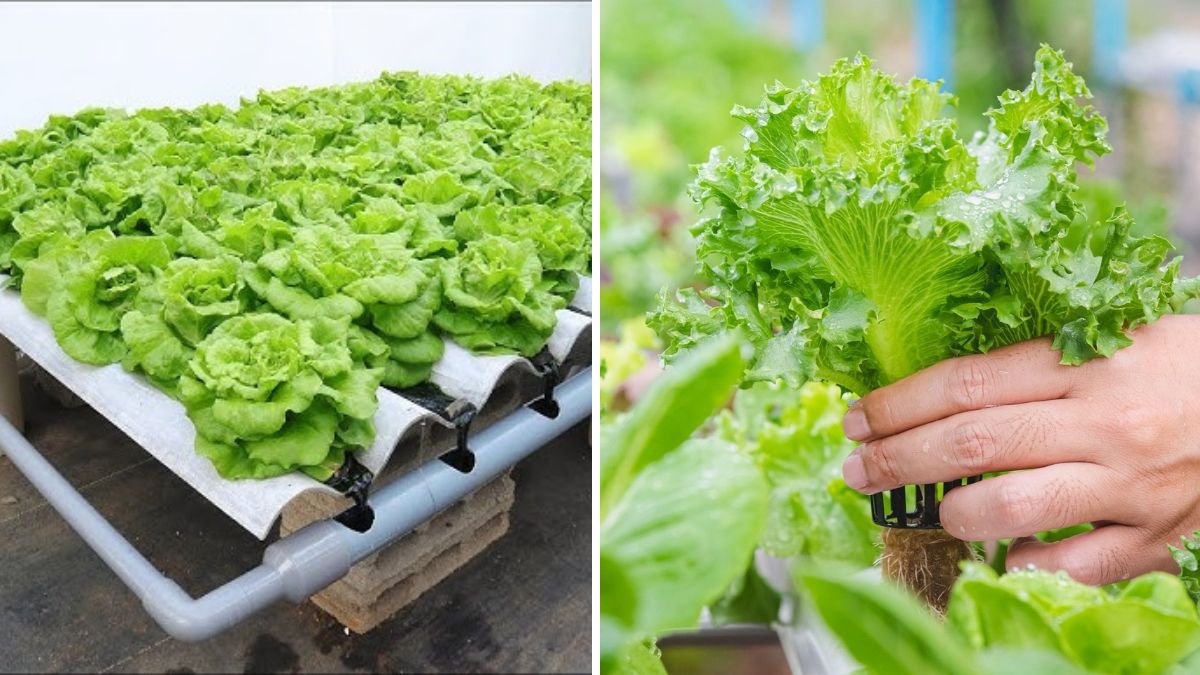
Lettuce is one of the most popular leafy greens worldwide. Crisp, sweet, and packed with nutrients, it’s a staple in salads, sandwiches, and wraps. But did you know you can grow large, healthy lettuce leaves without using soil? That’s right—hydroponics and water-based growing methods allow you to cultivate lettuce at home with minimal space, no soil, and remarkable results.
This guide will show you how to grow big, crispy, sweet lettuce leaves using soilless methods, step by step, so you can enjoy fresh greens year-round—even if you live in an apartment or small terrace garden.
Why Grow Lettuce Without Soil?
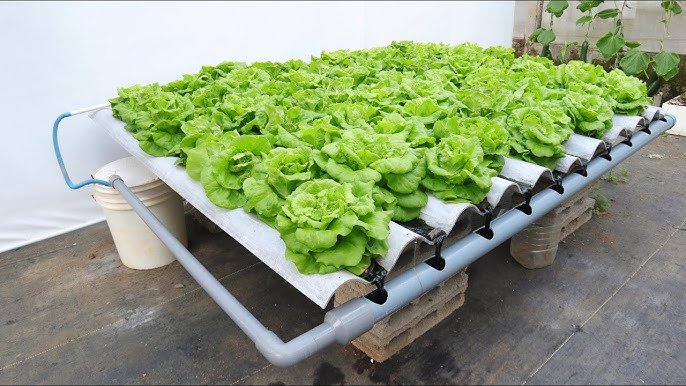
Soilless lettuce gardening has become increasingly popular because it offers numerous advantages:
- Clean and Hygienic: No soil means less chance of contamination
- Faster Growth: Nutrients in water are absorbed directly, accelerating growth
- Space-Efficient: Perfect for balconies, windowsills, or small indoor spaces
- Year-Round Gardening: Independent of soil conditions or outdoor seasons
- Higher Yield: Lettuce grows larger and sweeter under controlled conditions
Whether using hydroponics, NFT systems, or simple water trays, soilless lettuce gardening is a simple way to enjoy fresh, nutritious greens at home.
Step 1: Choosing Lettuce Varieties
Some lettuce varieties are better suited for soilless growth:
- Butterhead Lettuce: Soft, sweet, and tender leaves
- Romaine Lettuce: Crisp, upright leaves, great for salads
- Leaf Lettuce: Fast-growing, easy to harvest leaf by leaf
- Oakleaf Lettuce: Distinctively shaped leaves, mild flavor
Choose varieties based on taste preference, growth speed, and available space.
Step 2: Preparing Containers for Soilless Growth
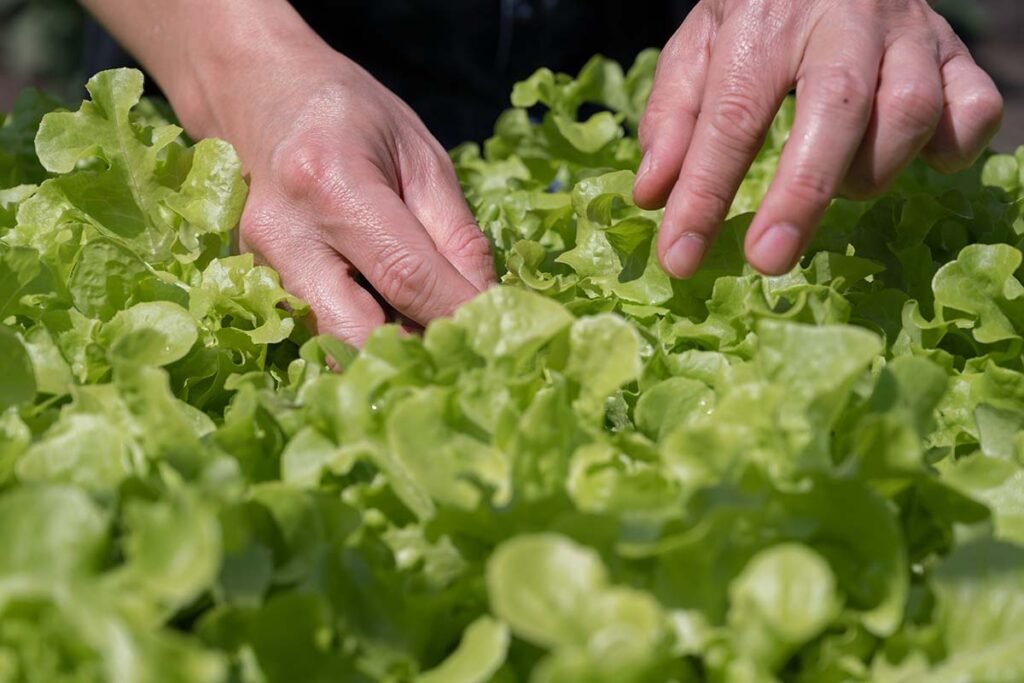
Even without soil, lettuce needs a stable base for roots:
Materials Needed
- Shallow trays, buckets, or containers
- Net cups or small pots with holes (optional)
- Rockwool, cocopeat, or hydroponic sponge as a medium
- Water reservoir for nutrient solution
Setup Tips
- Clean containers thoroughly to avoid algae or pathogens
- Fill net cups with rockwool or cocopeat
- Ensure the container has good drainage or water circulation
Proper setup creates a healthy environment for roots and steady nutrient absorption.
Step 3: Preparing Nutrient Solution
Lettuce requires essential nutrients for growth, especially in soilless setups:
Basic Nutrients
- Nitrogen (N) – promotes leafy growth
- Phosphorus (P) – encourages root development
- Potassium (K) – improves overall plant health
- Calcium and magnesium – strengthen leaves and prevent tip burn
Tips
- Use commercial hydroponic fertilizers diluted according to instructions
- Maintain pH between 5.5 and 6.5 for optimal nutrient uptake
- Change or replenish nutrient solution every 1–2 weeks
A balanced solution ensures big, sweet, crispy leaves.
Step 4: Starting Lettuce from Seeds or Seedlings
Lettuce can be grown from seeds or small seedlings in soilless systems:
Seed Germination
- Soak seeds in water for 12–24 hours
- Place seeds in rockwool or cocopeat cubes
- Keep cubes moist until roots emerge
Transplanting Seedlings
- Once seedlings have 2–3 leaves, transfer them to the main container
- Position roots in nutrient solution without burying the leaves
- Maintain spacing of 4–6 inches between plants
Proper germination and transplanting lead to faster, healthier growth.
Step 5: Watering and Nutrient Maintenance
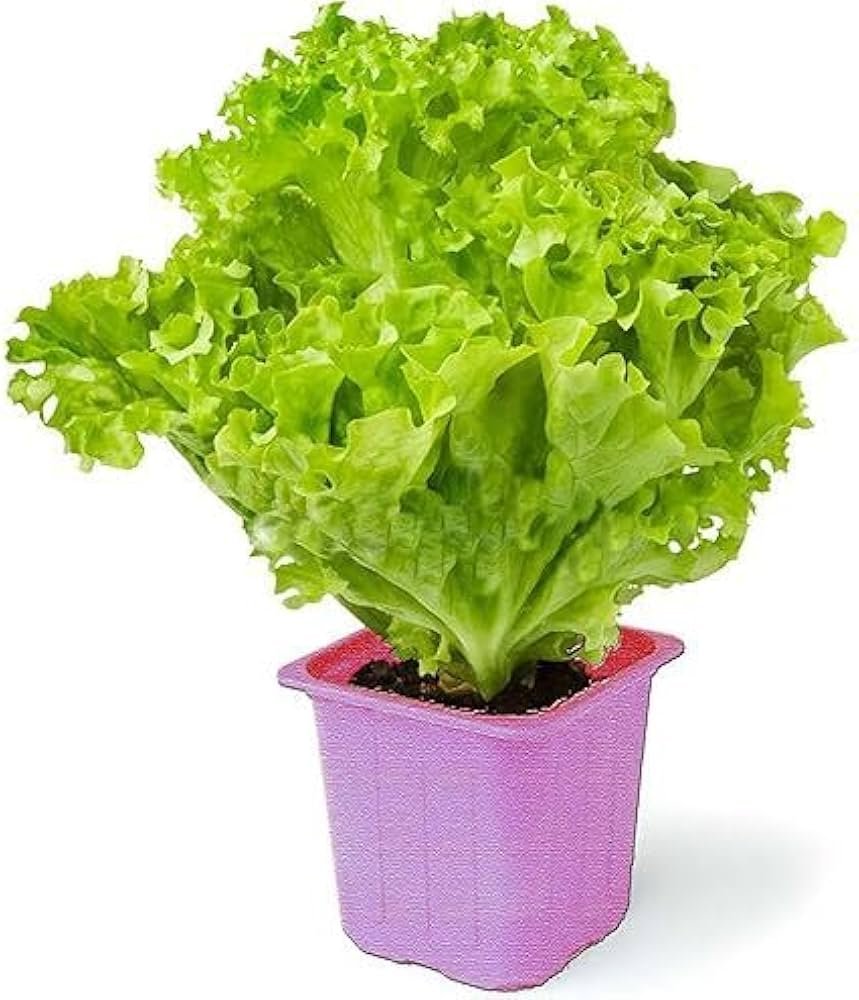
Even in soilless setups, lettuce requires consistent water and nutrients:
- Keep roots submerged in nutrient solution at all times
- Ensure solution is oxygenated (use an air pump if possible)
- Monitor water level and refill as needed
Consistent nutrient and water supply promotes rapid growth and crisp, tender leaves.
Step 6: Light and Temperature Requirements
Lettuce thrives in bright light and moderate temperatures:
- Provide 12–16 hours of light per day (sunlight or grow lights)
- Ideal temperature: 18–24°C (65–75°F)
- Avoid excessive heat to prevent leaf bitterness and bolting
Proper light and temperature conditions produce sweet, crunchy leaves with vibrant color.
Step 7: Supporting Growth and Harvesting
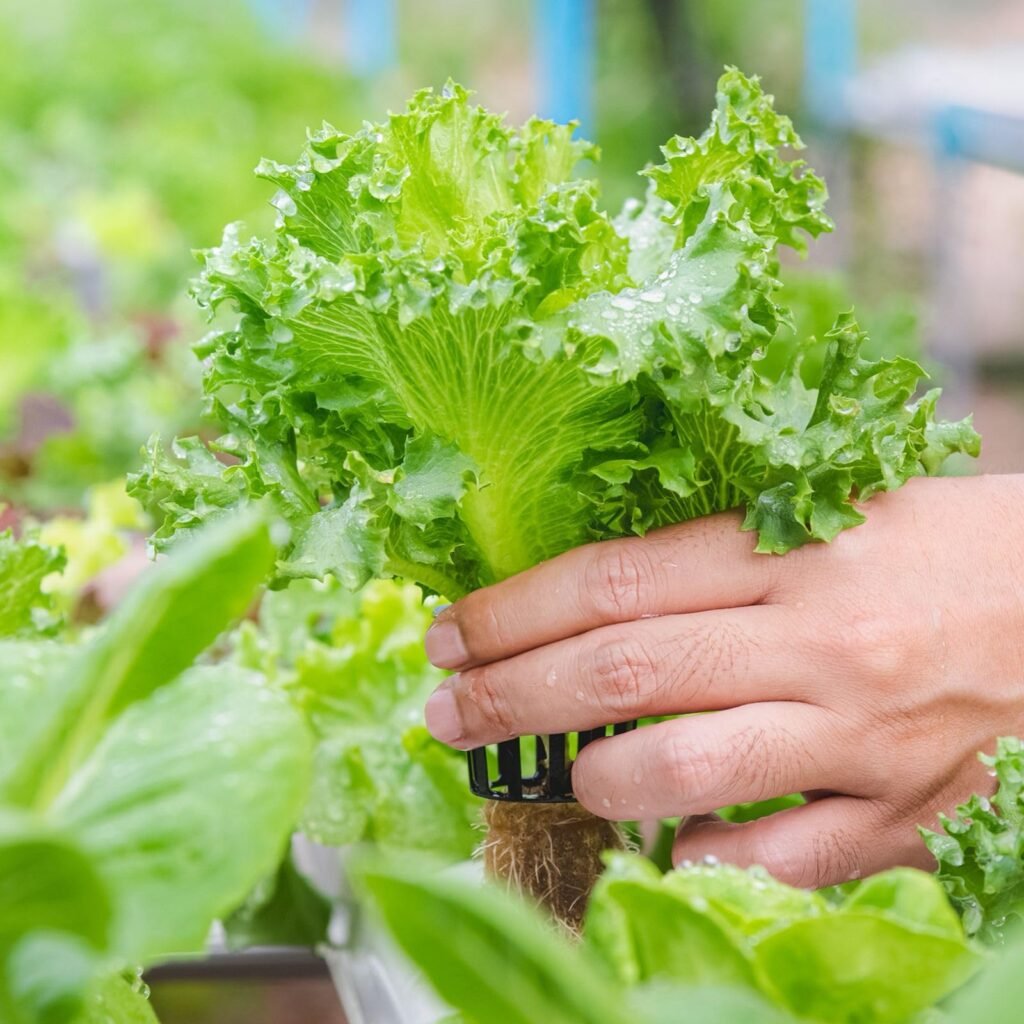
Hydroponic or soilless lettuce grows quickly, but proper care ensures continuous production:
Supporting Growth
- Thin seedlings if crowded to improve airflow and light penetration
- Remove yellow or damaged leaves promptly
- Rotate trays for uniform growth
Harvesting
- Leaf lettuce: Pick outer leaves as needed
- Butterhead and romaine: Harvest the entire head when fully formed
- Regular harvesting encourages continuous growth and fresh leaves
With proper care, you can harvest lettuce every week from the same setup.
Step 8: Preventing Pests and Diseases
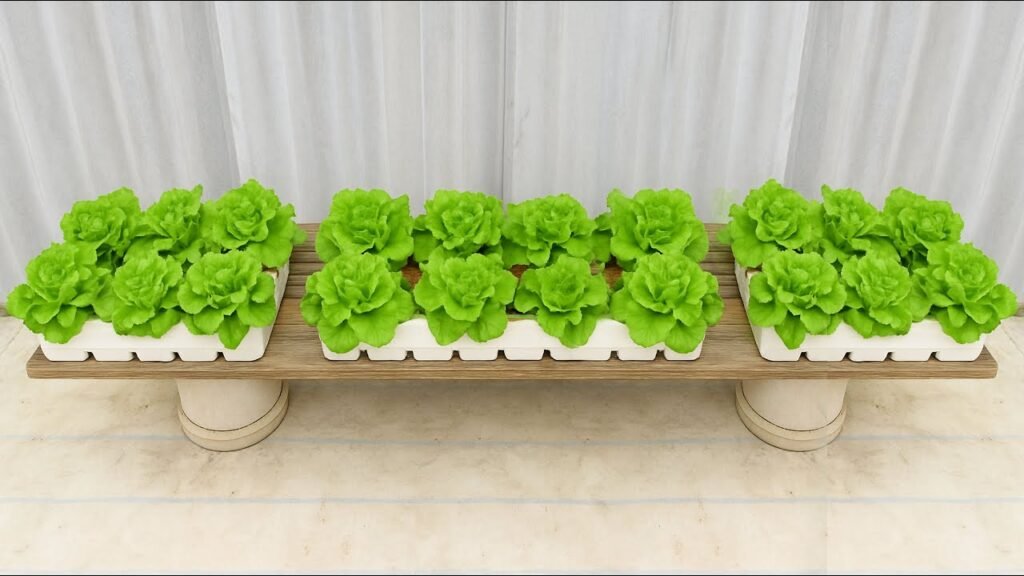
Soilless lettuce is less prone to pests, but vigilance is still required:
- Common issues: aphids, whiteflies, and fungal infections
- Organic remedies: neem oil, mild soap solution, or sticky traps
- Maintain clean trays and good airflow to prevent algae and mold
Healthy plants result in more nutritious, tasty leaves.
Step 9: Creative Soilless Lettuce Ideas
- Vertical Lettuce Garden: Stack trays or use hanging setups
- Bottle Hydroponics: Grow lettuce in cut bottles with water and nutrients
- Mixed Greens: Combine lettuce with spinach, kale, or herbs for variety
- Indoor Salad Bar: Grow multiple varieties in small containers for continuous harvest
These ideas allow you to maximize space and enjoy fresh greens year-round.
Benefits of Growing Lettuce Without Soil
- Clean and Hygienic: No soil reduces contamination risk
- Faster Growth: Nutrients are absorbed directly by roots
- Space-Efficient: Ideal for small apartments, terraces, or balconies
- Eco-Friendly: Reduces soil usage and allows recycling of containers
- High Yield: Produces larger, sweeter leaves faster than soil-grown lettuce
Soilless lettuce gardening is perfect for modern, urban lifestyles.
Final Thoughts: Big, Crispy, Sweet Lettuce at Home
Growing lettuce without soil is surprisingly simple, cost-effective, and highly rewarding. By following these steps—choosing the right varieties, preparing a nutrient solution, using a soilless medium, and maintaining proper light and water—you can enjoy fresh, crisp, and sweet leaves all year round.
Whether for salads, sandwiches, or garnishes, soilless lettuce gardens provide an endless supply of healthy greens. This method is ideal for beginners, apartment dwellers, and anyone looking to grow clean, nutritious vegetables without traditional soil beds.
With minimal investment and a bit of care, you can turn your balcony, terrace, or indoor space into a lush lettuce haven, producing big, crispy, and sweet leaves for your family every day.