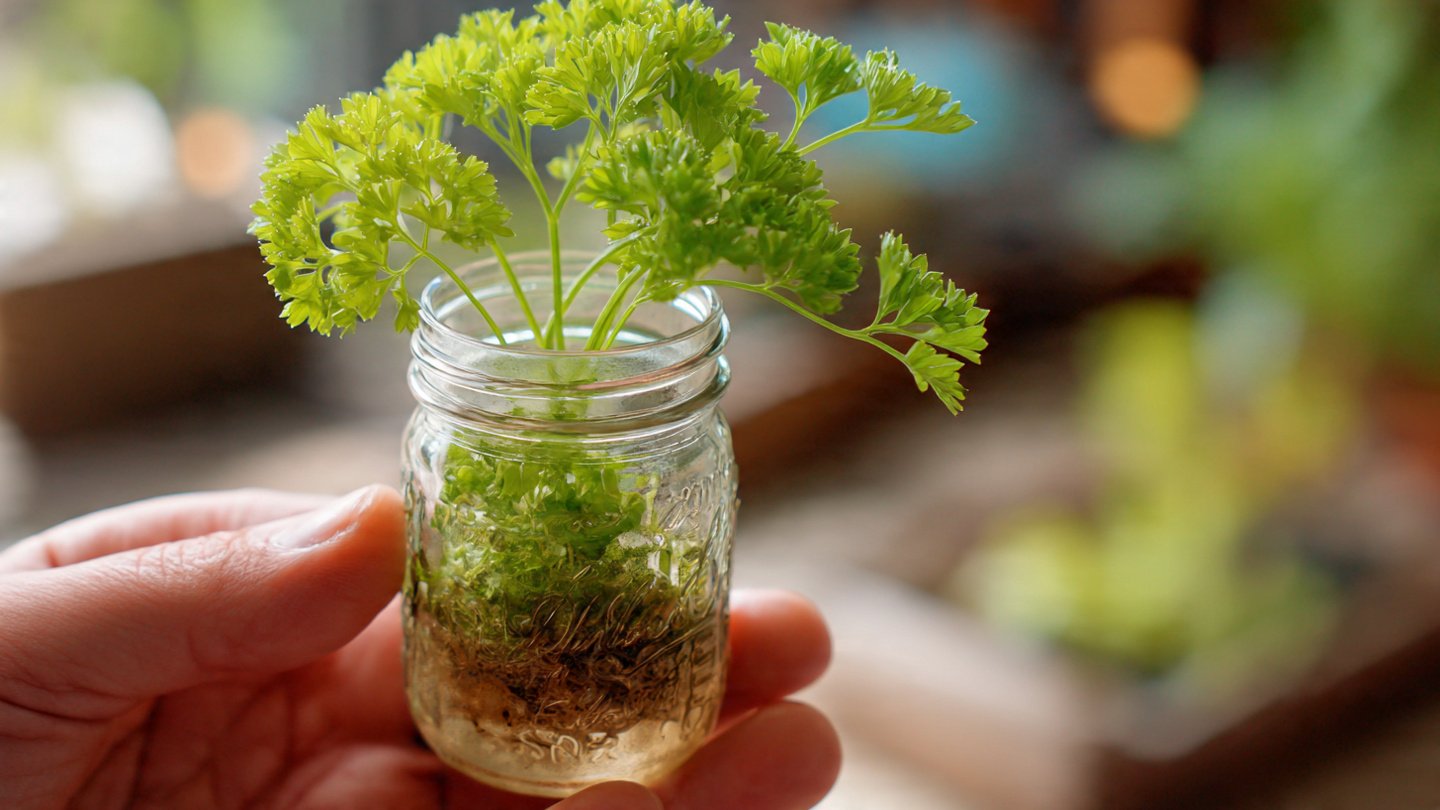
Growing your own herbs at home can be both rewarding and economical. Among the most popular herbs to cultivate is parsley, a versatile ingredient that enhances a wide range of dishes. If you’ve ever found yourself with a bunch of parsley and wondered whether you could propagate it from cuttings, you’re not alone. Many gardening enthusiasts are curious if this simple method could yield fresh greenery right from their kitchen scraps. In this article, we will delve into the process of growing parsley from cuttings, explore its benefits, and equip you with practical tips for success.
Understanding Parsley
Before we dive into the propagation technique, it’s essential to understand parsley itself. Parsley (Petroselinum crispum) is a biennial herb native to the Mediterranean region, though it is grown worldwide today. Known for its dual varieties—curly leaf and flat-leaf (also known as Italian parsley)—this herb is both a garnish and an integral element of various cuisines, from Mediterranean to Middle Eastern.
Parsley is rich in vitamins A, C, and K, making it a nutritious addition to your diet. It offers numerous health benefits, including antioxidant properties and aiding digestion. With its growth potential throughout the year, parsley is an ideal candidate for home cultivation.
The Feasibility of Growing Parsley from Cuttings
The essence of growing parsley from cuttings lies in its capability to regenerate roots. Many gardeners propagate various herbs from cuttings, including basil and mint. However, parsley is often overlooked in this method, primarily due to its biennial nature and the belief that it is best grown from seeds.
Can You Grow Parsley from Cuttings?
The short answer is yes; you can grow parsley from cuttings! This method allows you to extend the life of your parsley and reduce waste. Unlike many other herbs, which may have a straightforward rooting process, parsley cuttings do require a bit more care and attention to detail.
Why Grow Parsley from Cuttings?
-
Saves Money: Buying fresh herbs can get pricey, especially if you use them frequently. Propagating from cuttings allows you to enjoy free herbs right from your home.
-
Reduces Waste: If you purchase a bunch of parsley, not all the stems may be used. Instead of discarding the left-over stems, you can give them a new life.
-
Convenience: Having fresh herbs on hand at all times allows you to incoporate them into meals, ensuring that you always have fresh flavors at your fingertips.
-
Faster Results: Growing from cuttings can yield results quicker than starting plants from seeds, which can take time to germinate and establish.
How to Grow Parsley from Cuttings: A Step-by-Step Guide
Now that you’re aware of the benefits, let’s explore how to effectively propagate parsley from cuttings.
Step 1: Select Healthy Cuttings
Choose a healthy bunch of parsley with vibrant green leaves and long stems. Look for firm stems that are at least 4-6 inches long and free of any signs of disease or pests. Ideally, select stems from an established plant to ensure the cuttings are robust.
Step 2: Prepare the Cuttings
Using sharp, clean scissors or pruning shears, cut the stems just below a leaf node (the point where leaves attach to the stem). This part of the stem is crucial, as it’s where the roots will emerge. Remove any lower leaves that might sit in water if you’re rooting them in a glass. This step prevents rot and promotes healthier root growth.
Step 3: Choose a Rooting Method
There are two primary methods for rooting parsley cuttings: in water or soil.
Rooting in Water
-
Water Container: Place the cuttings in a glass of water, ensuring that the bottom part of the stems is submerged. A clear glass can allow you to observe root development.
-
Positioning: Set the glass in a location with indirect sunlight. Direct sunlight can cause the water to warm up too quickly, while low light may slow root growth.
-
Change Water Regularly: Every few days, change the water to maintain cleanliness and prevent bacterial growth.
-
Wait for Roots: Within a week or two, you should notice small white roots beginning to form. Once the roots are 1-2 inches long, the cuttings can be transplanted into soil.
Rooting in Soil
-
Soil Mix: Use a well-draining potting mix. You can create a mixture of potting soil, perlite, and vermiculite for optimal drainage.
-
Planting: Make small holes in the soil and insert the cuttings, ensuring that at least one leaf node is buried. Firm the soil around the base to secure the cutting.
-
Water and Cover: Water the soil lightly until it is moist but not soggy. Optionally, cover the pot with a plastic bag or a greenhouse dome to maintain humidity, which helps with root establishment.
-
Location: Place the pot in a warm area with indirect sunlight.
Step 4: Care for Your Cuttings
Regardless of the rooting method you choose, care is essential for successful growth.
-
Humidity: If using the soil method, humidity is critical in the initial stages. Other methods include misting the leaves regularly to maintain moisture.
-
Light: Ensure that your cuttings receive ample indirect sunlight. Too much direct sunlight can harm the delicate young plants.
-
Soil Moisture: Keep the soil consistently moist, but avoid waterlogging. If the leaves begin to droop or yellow, reassess your watering routine.
Step 5: Transplanting
Once the roots have developed sufficiently (about 2-4 inches for water-rooted cuttings), you can transplant them into larger pots or your garden bed.
-
Choose the Right Spot: Parsley thrives in well-draining soil with full to partial sunlight.
-
Transplanting Technique: When transplanting, be gentle with the roots to avoid damage. Dig a hole in the soil, place the cutting, and cover the roots with soil, gently firming it down.
-
Water After Planting: Water the newly planted cuttings thoroughly, providing a steady moisture level as they adapt to their new environment.
Step 6: Ongoing Care
As your parsley grows, continue to care for it with regular watering, pruning, and sunlight.
-
Fertilizing: While parsley does not need excessive fertilization, using a balanced fertilizer every few weeks can support robust growth.
-
Pruning: Regularly trim the leaves to encourage bushier growth and prevent flowering, which can diminish the flavor.
-
Pest Management: Watch for common pests such as aphids and caterpillars, and address any infestations promptly.
Conclusion
Growing parsley from cuttings is an accessible and rewarding way to enjoy fresh herbs without the need for extensive gardening experience. By following the steps outlined above, you can transform leftover parsley stems into thriving, productive plants. Not only does this method save money and reduce waste, but it also provides a connection to your food that enhances your culinary experiences.
With a little patience and care, your indoor or outdoor herb garden can flourish, bringing a burst of flavor and freshness to your dishes, all while enjoying the satisfaction of growing your own ingredients from kitchen scraps. So go ahead and give it a try; you might find that this simple hack opens up a world of possibilities for your home gardening endeavors. Happy gardening!