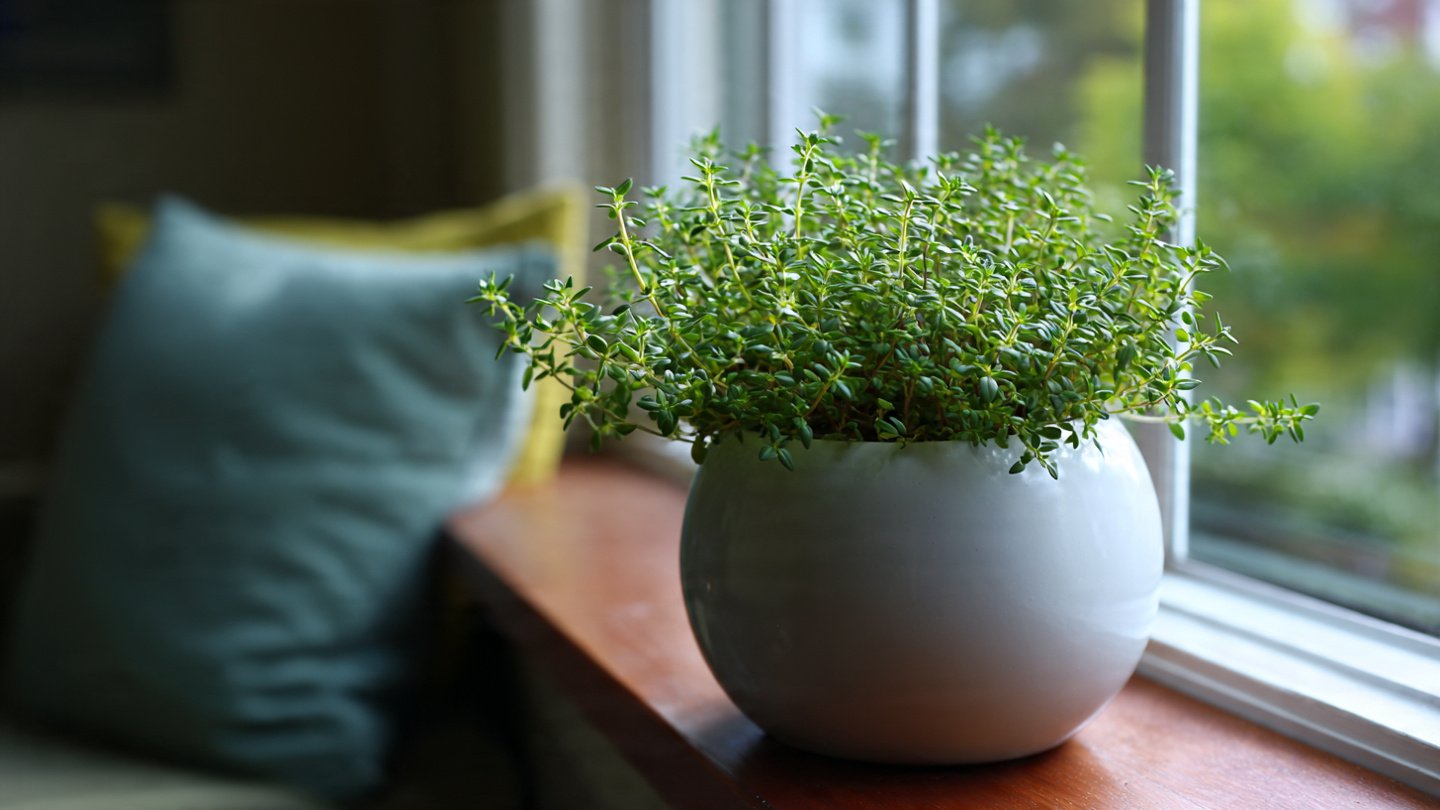
Thyme, a fragrant herb known for its culinary versatility and medicinal properties, has an ancient history rooted in Mediterranean climates but can easily adapt to indoor living conditions. Growing thyme indoors not only enhances your culinary experiences but also brings a touch of nature into your home. In this article, we will explore how you can effortlessly cultivate thyme indoors, from selecting the right variety to providing optimal care.
Why Grow Thyme Indoors?
Culinary Benefits
Thyme is a staple ingredient in numerous dishes, from stews and sauces to marinades and roasted meats. Having fresh thyme at your fingertips can elevate your cooking, allowing you to add vibrant, aromatic flavor to your meals.
Health Benefits
Apart from its culinary uses, thyme is rich in antioxidants and has been linked to numerous health benefits, including antimicrobial properties. It may assist in respiratory health and has been traditionally used to soothe coughs and flu-like symptoms.
Aesthetic Appeal
Indoor plants improve air quality and enhance the aesthetics of your living space. Thyme’s delicate leaves and tiny flowers can add grace to any windowsill or countertop.
Choosing the Right Thyme Variety
There are several varieties of thyme, but not all are suited for indoor growing. Here are a few types that thrive indoors:
1. Common Thyme (Thymus vulgaris)
This is the most popular culinary thyme, known for its strong aroma and flavor. It does well in pots and is readily available at garden centers.
2. Lemon Thyme (Thymus citriodorus)
With a refreshing lemon aroma, this variety is perfect for enhancing seafood dishes or summer salads. It can grow indoors, adding a unique flavor profile to your cooking.
3. Creeping Thyme (Thymus serpyllum)
Ideal for ground cover in outdoor gardens, creeping thyme can also be grown indoors in pots. Its petite leaves and purple flowers make it a lovely ornamental choice as well.
Essentials for Growing Thyme Indoors
1. Potting
Choosing the Right Pot: Select a pot with drainage holes to prevent waterlogging. A 6- to 8-inch diameter pot is sufficient for most thyme varieties.
Soil: Thyme prefers well-drained soil. A mix of potting soil and sand or perlite can enhance drainage.
2. Light Conditions
Thyme thrives in bright light. Place your pot near a south-facing window if possible, where it can receive at least 6 to 8 hours of sunlight daily. If natural light is limited, consider using grow lights to supplement.
3. Watering
Thyme is drought-tolerant, so it’s crucial not to overwater. Allow the top inch of soil to dry out before watering again. Typically, watering once a week is sufficient, but adjust based on humidity and temperature in your home.
4. Temperature and Humidity
Ideal indoor conditions for thyme range from 60°F to 75°F (15°C to 24°C). Thyme does not like high humidity; therefore, it is best suited for dry indoor environments.
5. Fertilization
Thyme does not require intense fertilization. Use a balanced, water-soluble fertilizer every 4 to 6 weeks during the growing season (spring and summer). Diluting the fertilizer to half-strength can be beneficial.
Propagation Methods
Thyme can be propagated easily, allowing you to expand your indoor herb garden:
1. Seed Propagation
Starting thyme from seeds takes time and patience. Sow seeds shallowly in a seed tray with a seed-starting mix, lightly covering them. Keep the soil moist and place the tray in a warm location with indirect sunlight. Germination can take 14 to 21 days.
2. Cutting Propagation
A quicker method involves taking cuttings from an established thyme plant. Cut a 4- to 6-inch stem from the top of the plant, ensuring it has at least one set of leaves. Remove the lower leaves and place it in a glass of water or directly in moist soil. If placed in water, roots will typically appear within a week or two.
Common Problems and Solutions
While thyme is relatively hardy, it can still face some issues:
1. Overwatering
Symptoms: Yellowing leaves and root rot.
Solution: Ensure proper drainage and allow the soil to dry out between waterings.
2. Pests
Cutworms and aphids may occasionally infest your thyme.
Solution: Check for signs of pests regularly. Use insecticidal soap if necessary, or simply wash the leaves with water to remove small infestations.
3. Leggy Growth
Symptoms: Stretched stems and fewer leaves.
Solution: This usually indicates insufficient light. Move your thyme plant closer to a light source or provide supplemental grow lights.
Pruning and Harvesting
Pruning
Regular pruning encourages bushier growth. Trim stems back to about one-third of their height during the growing season. Remove any flowers that appear to keep the plant focused on leaf production.
Harvesting
You can start harvesting thyme once the plant is well-established and has enough leaves to spare. Snip leaves and stems as needed, ensuring you don’t take more than one-third of the plant at a time. The best time to harvest is mid-morning after the dew has dried, which ensures the leaves are at their most aromatic.
Tips for Success
-
Rotate the Pots: Turn the pots every week to ensure the plant grows evenly and does not lean toward the light source.
-
Companion Planting: Consider growing thyme alongside other herbs, such as rosemary or basil, that have similar care requirements and can benefit from each other’s presence.
-
Use on Cooking Days: Regularly using fresh thyme will encourage you to care for your plant better and enjoy the rewards of fresh herbs in your cooking.
-
Seasonal Care: As indoor conditions change with seasons (air conditioning in summer, heating in winter), be observant and adjust watering, light, and humidity accordingly.
Conclusion
Growing thyme indoors is not only simple and rewarding, but it can also enhance your culinary adventures. With its fragrant leaves readily available for cooking, and its medicinal properties at hand, thyme can truly be a delightful addition to your indoor herb garden.
By following the straightforward guidelines provided in this article, you can successfully cultivate your own thyme plants indoors, regardless of your gardening experience. Enjoy the journey of growing your indoor garden, and savor the fresh tastes and aromatic benefits thyme has to offer!