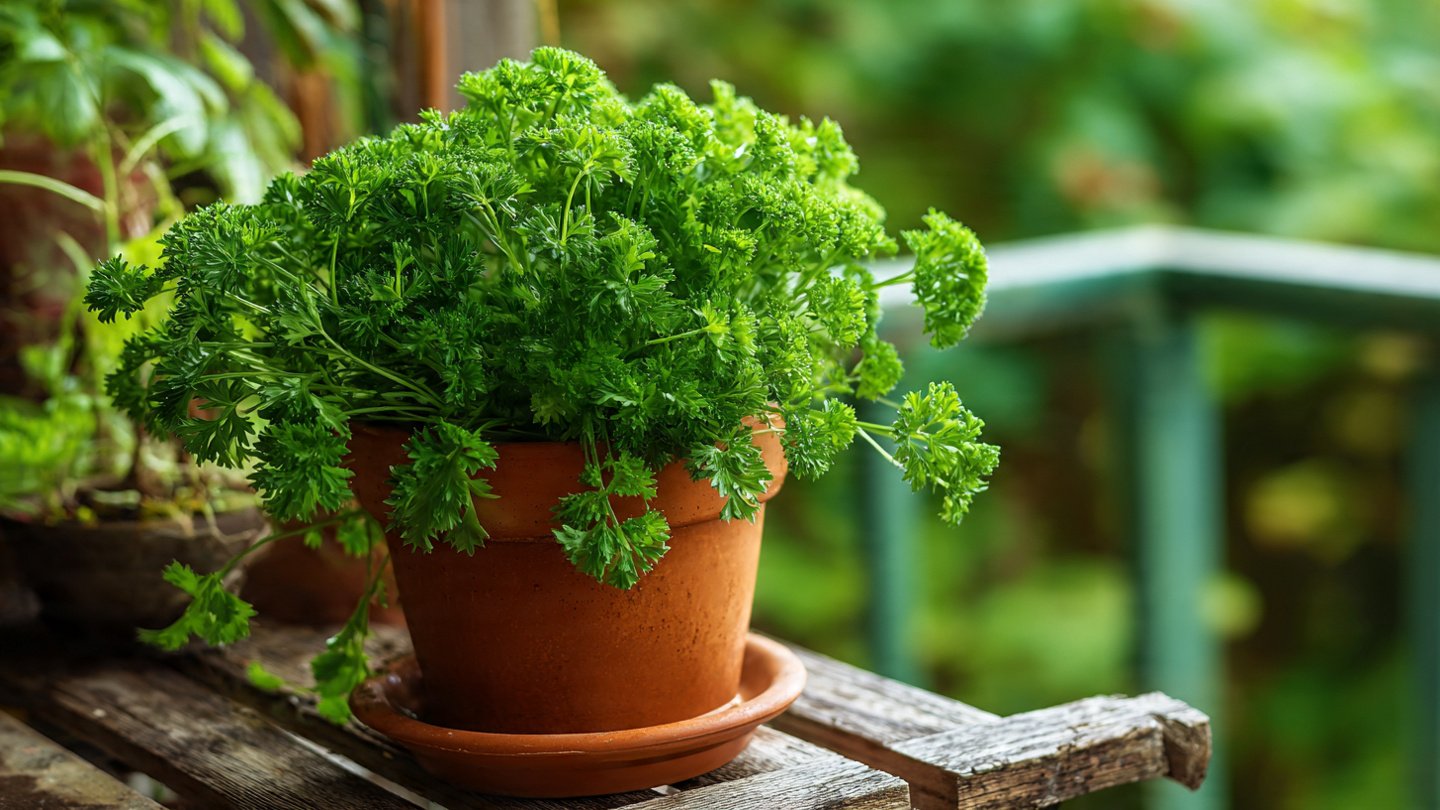
Flat leaf parsley, also known as Italian parsley, is a versatile herb that elevates a variety of dishes. Among its many culinary uses, it adds flavor to soups, salads, and sauces. Whether you’re an experienced gardener or a novice, growing flat leaf parsley in a pot is a rewarding and satisfying endeavor. In this article, we’ll explore the benefits of growing parsley in containers, how to ensure your herbs flourish, and expert tips for maintaining your potted parsley.
The Benefits of Growing Flat Leaf Parsley in a Pot
-
Space Efficiency: Growing parsley in a pot allows you to cultivate herbs even in limited space, making it an ideal option for apartment dwellers or those with small gardens.
-
Control Over Growing Conditions: Container gardening provides more control over soil quality, water drainage, and sun exposure, which are critical factors for herb growth.
-
Accessibility: Having fresh parsley at your fingertips makes it easy to incorporate into meals, enhancing the flavor of countless dishes.
-
Mobility: If weather conditions change, or if you need more sunlight, pots can be easily moved. This adaptability is invaluable for ensuring optimal growth conditions.
-
Pest Control: Plants grown in pots can be easier to protect from pests and diseases, allowing you to monitor their health more closely.
Selecting the Right Pot
When it comes to growing flat leaf parsley, the choice of pot is fundamental. Here are some tips for selecting the right container:
-
Size: Choose a pot that’s at least 6-12 inches in diameter. Parsley has a relatively shallow root system, but adequate space is necessary for healthy growth.
-
Material: Clay or plastic pots are both excellent choices. Clay pots offer breathability, which helps prevent overwatering, while plastic pots retain moisture longer.
-
Drainage: Ensure that the container has drainage holes at the bottom to prevent water accumulation, which can lead to root rot.
-
Depth: A deeper pot can encourage healthier root development. Opt for containers that are at least 8-10 inches deep.
Soil Requirements
The quality of soil directly affects the growth of your parsley. For potted parsley, consider the following:
-
Well-Draining Soil: Choose a potting mix that is light and well-draining. Consider blends specifically designed for herbs, which often contain a mixture of peat moss, vermiculite, and perlite.
-
Nutrient Content: Parsley thrives in soil that is rich in organic matter. You may want to mix in some compost or aged manure to provide essential nutrients.
-
pH Level: A soil pH between 6.0 and 7.0 is ideal for parsley. You can test your soil’s pH with an inexpensive home testing kit.
Planting Flat Leaf Parsley
Once you’ve chosen your pot and soil, it’s time to plant your flat leaf parsley. Here’s a step-by-step guide:
-
Seed Selection vs. Seedlings:
- Seeds: Planting seeds requires patience, as germination can take 2-3 weeks. When planting seeds, sow them about ¼ inch deep and space them a couple of inches apart.
- Seedlings: Purchasing young plants from a nursery can be a quicker option. If you choose this route, transplant the seedlings into your pot at the same depth they were growing in their nursery container.
-
Watering After Planting: Water the freshly planted seeds or seedlings lightly to settle the soil around them while keeping the substrate moist, but not soggy.
-
Spacing: If planting multiple parsley plants, ensure adequate spacing (about 6 inches apart) to allow for proper air circulation.
Light and Temperature Requirements
Flat leaf parsley thrives in certain environmental conditions:
-
Sunlight: Parsley prefers full sun to partial shade. Ideally, aim for at least 4-6 hours of sunlight daily. If growing indoors, a south-facing window will provide adequate light.
-
Temperature: Parsley grows best in moderate temperatures ranging from 60°F to 70°F (15°C to 21°C). It can tolerate cooler temperatures but may struggle in extreme heat. If you live in a hot climate, providing afternoon shade can help prevent stress on the plants.
Watering and Fertilizing
Proper watering and occasional fertilizing are crucial for maintaining healthy parsley plants.
Watering
-
Keep Soil Moist: Ensure the soil is consistently moist but avoid waterlogging. Water when the top inch of the soil feels dry to the touch.
-
Humidity: Parsley prefers a humid environment. If you live in a dry climate or have indoor plants, consider misting your parsley or placing a tray of water nearby.
Fertilizing
-
Frequency: Feed your plants with a diluted liquid fertilizer every 4-6 weeks during the growing season (spring through early fall). Avoid over-fertilizing, as this can lead to lush foliage with a reduced flavor profile.
-
Type of Fertilizer: Use a balanced, water-soluble fertilizer. Organic options, like fish emulsion or seaweed extract, can also be beneficial.
Pruning and Harvesting
Pruning your parsley not only promotes healthier growth but also extends the lifespan of the plant.
Pruning
-
Frequency: Regularly pinch off the tips of the leaves to encourage bushier growth. You can also remove any yellow or wilted leaves.
-
Height: When the parsley reaches about 6 inches tall, you can start harvesting. Ensure you leave enough foliage for continued growth.
Harvesting
-
Method: Use kitchen scissors to snip off the outer leaves. This encourages the plant to produce new growth. Avoid harvesting more than one-third of the plant at once to prevent stress.
-
Timing: Harvest in the morning, when the leaves are fresh and flavorful. You can continue to harvest throughout the growing season, with optimal flavor typically in the cooler months.
Pest Control and Common Issues
While relatively easy to grow, parsley can be susceptible to pests and diseases. Here are some common issues and how to address them:
Pests
-
Aphids: Small, soft-bodied pests that suck plant sap. You can rinse them off with water or use insecticidal soap to control them.
-
Snails and Slugs: These can be particularly troublesome in damp conditions. Hand-picking or setting out traps (like beer traps) can help control their population.
-
Spider Mites: These tiny pests can thrive in dry conditions. Increase humidity around your plants and introduce natural predators like ladybugs.
Diseases
-
Root Rot: Caused by overwatering. Ensure proper drainage and avoid letting your parsley sit in water.
-
Fungal Diseases: Look for yellow spots on leaves, indicating a fungal infection. Preventative measures include ensuring good air circulation and not crowding your plants.
Overwintering Flat Leaf Parsley
Parsley can be grown as a perennial in temperate regions, meaning it can survive through winter months. Here’s how:
-
Bringing Indoors: If winters are severe, consider bringing your potted parsley indoors. Place it in a sunny window.
-
Mulching: If growing outside, apply a layer of mulch to protect the roots from frost.
-
Reducing Watering: In winter months, parsley requires less water, so adjust your watering schedule accordingly.
Conclusion
Growing flat leaf parsley in a pot is not only achievable but also enjoyable. By understanding the essential requirements—from soil and watering to light and pest control—you can cultivate a thriving herb garden at home. With the right care and attention, your potted parsley will flourish, providing fresh, flavorful herbs right when you need them. Whether used in cooking or as a garnish, your homegrown parsley will add a touch of culinary inspiration to your kitchen. Happy gardening!