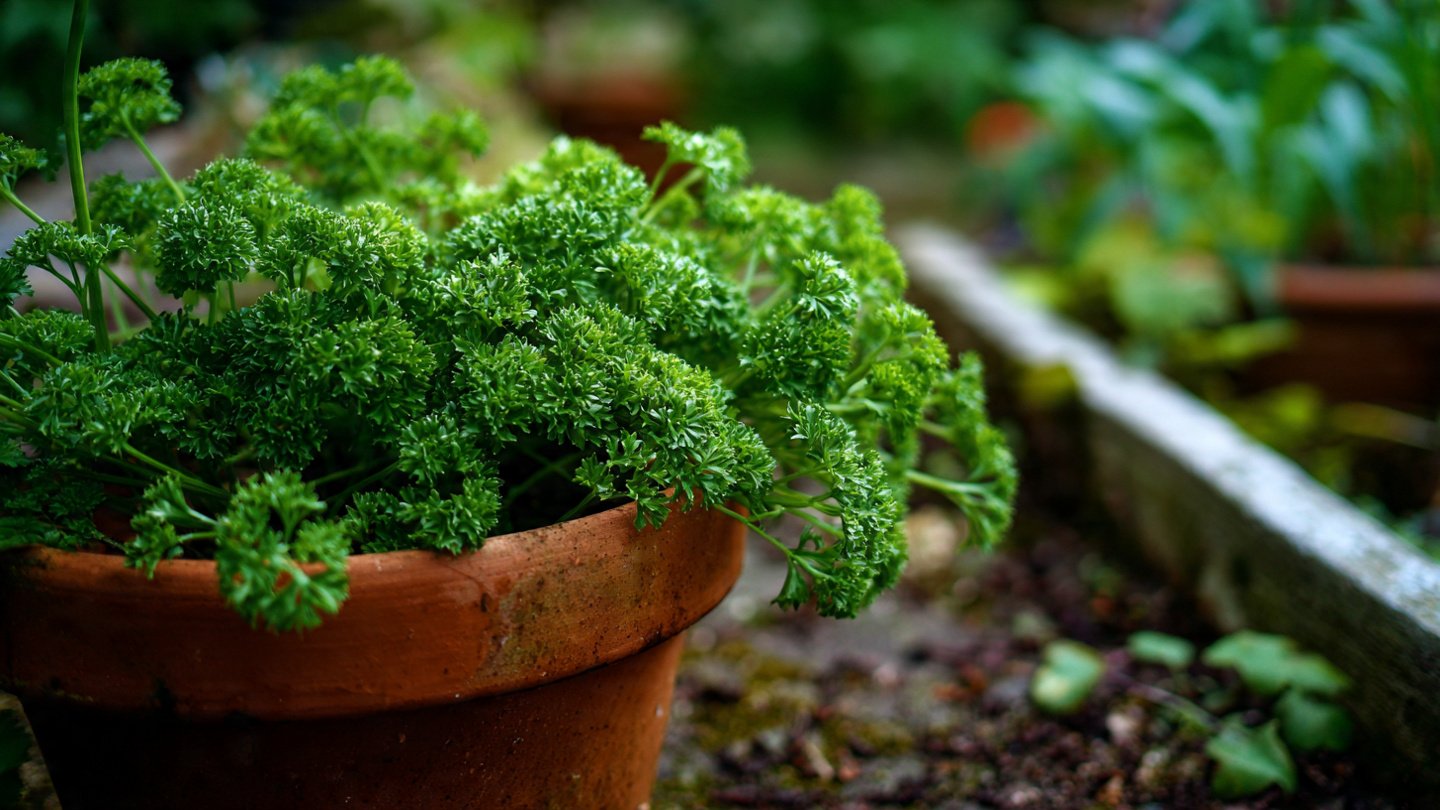
Can You Grow Parsley Year Round? Tips for a Thriving Herb Garden
Parsley (Petroselinum crispum) is a versatile herb cherished in kitchens around the globe. With its vibrant green leaves and distinct flavor, it elevates the taste of countless dishes, from salads and soups to sauces and garnishes. One of the appealing features of parsley is its adaptability. Many herb enthusiasts wonder whether they can cultivate parsley year-round. This article will delve into that question while providing essential tips for creating a thriving herb garden.
Can You Grow Parsley Year-Round?
Yes, you can grow parsley year-round! However, the method and conditions for achieving this depend largely on your climate and growing conditions. In mild climates, parsley can thrive throughout the year, while in colder regions, you’ll need to employ some strategies to maintain growth during the winter months.
Understanding Parsley
Before diving into cultivation tips, it’s important to understand what parsley needs to flourish. This biennial herb requires specific temperatures and light conditions:
- Temperature: Parsley grows best in cool weather, with optimal growth occurring between 60°F and 70°F (15°C – 21°C). However, it can withstand temperatures as low as 20°F (-6°C), making it a hardy herb.
- Light: Parsley requires at least 6 hours of sunlight per day. However, it can also grow well in partial shade.
Growing Parsley Indoors
One of the best ways to enjoy fresh parsley year-round is to grow it indoors. Here’s a step-by-step guide on how to do that:
1. Choose the Right Container
Select a pot that is at least 6 to 12 inches deep with drainage holes. A clay pot is an excellent choice as it allows for better aeration.
2. Select Quality Soil
Use well-draining potting soil enriched with organic matter. Mixing in compost or aged manure can provide essential nutrients.
3. Sow the Seeds
Parsley seeds can take longer to germinate than other herbs, often requiring 2-3 weeks. Soak the seeds overnight before planting to help speed up the germination process. Plant them 1/4 inch deep in the soil, and space them about 6 inches apart.
4. Optimal Conditions
- Lighting: If you don’t have a sunny windowsill, consider investing in grow lights to mimic sunlight. LED grow lights are energy-efficient options.
- Temperature: Keep the indoor temperature between 60°F and 75°F (15°C – 24°C). Ensure the area is well-ventilated but avoid cold drafts.
5. Watering
Parsley likes consistent moisture, so check the soil regularly. Water the plants when the top inch of soil feels dry. Avoid overwatering, as parsley is susceptible to root rot.
6. Fertilization
Fertilizing once a month during the growing season can help boost growth. Use a balanced liquid fertilizer diluted to half-strength, or top-dress with compost.
Growing Parsley Outdoors
If you’re fortunate enough to have outdoor space, you can enjoy fresh parsley year-round with a few strategies adjusted for seasonal changes.
1. Choosing the Right Spot
Select a location that gets partial to full sunlight. A spot that receives around 6-8 hours of sun per day is ideal.
2. Soil Preparation
As with indoor planting, choose fertile, well-draining soil. Conduct a soil test to determine pH; parsley prefers slightly acidic to neutral soils (pH 6.0 – 7.0). Add organic compost to improve soil health.
3. Sowing Seeds
You can plant seeds directly outdoors in spring or fall. To sow, plant in rows spaced 12-15 inches apart, with seeds about 1/4 inch deep.
4. Seasonal Care
- Summer: Keep the soil consistently moist during hot months. Mulching can help retain moisture and suppress weeds.
- Fall and Winter: In colder climates, consider using cold frames or row covers to protect your plants from frost. You can also grow parsley in containers, allowing you to move them indoors as temperatures drop.
Tips for Year-Round Parsley Success
To maximize your parsley growth and enjoy a year-round supply, here are some additional tips:
-
Companion Planting: Plant parsley alongside other herbs and vegetables like tomatoes and carrots. This technique can promote growth and deter pests.
-
Regular Harvesting: Regularly snipping leaves encourages bushier growth. Always leave some leaves on the plant to allow for continued growth.
-
Pest Control: Keep an eye out for aphids and other pests. Natural remedies like neem oil or insecticidal soap can help control infestations.
-
Disease Management: Ensure good air circulation and avoid overhead watering to prevent fungal diseases. If leaves start yellowing, this may indicate overwatering or nutrient deficiencies.
-
Rotate Plants: If you’re growing parsley in the same spot year after year, consider rotating it with other herbs or vegetables to manage soil health and reduce disease risk.
-
Seed Storage: If you’re growing from your own seeds, remember that parsley seeds can remain viable for 2-3 years when stored in a cool, dry place.
Conclusion
Growing parsley year-round is not only feasible but can also be a fulfilling gardening endeavor. Whether indoors or outdoors, with the right conditions and care, you can enjoy this lovely herb throughout all seasons. By implementing the tips outlined in this article, you can cultivate a thriving herb garden that enhances your culinary creations while reaping the numerous benefits herbs have to offer. From fresh pesto in summer to flavorful soups in winter, your year-round parsley supply is sure to be a game changer in the kitchen!