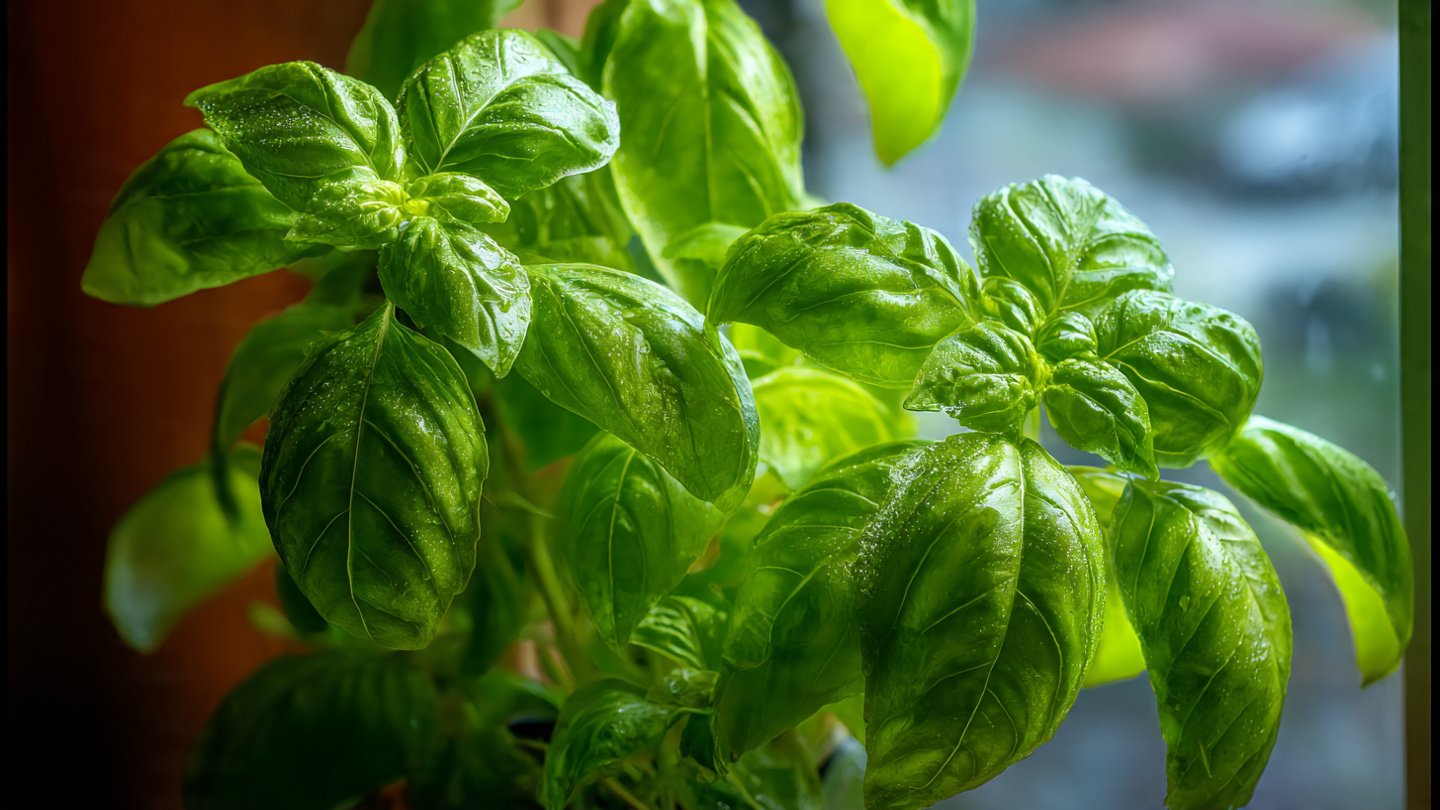
Growing basil not only enhances your culinary experiences but also brings a fresh aroma to your kitchen garden. For many gardeners, achieving that picture-perfect, bushy basil plant can seem elusive. However, with a few simple techniques, you can transform your basil plants into lush, vibrant bushes. This article explores effective methods and easy hacks to cultivate a thriving basil garden that will inspire your culinary creations.
The Importance of Basil
Basil (Ocimum basilicum) is a beloved herb in cuisines around the globe, especially in Mediterranean and Asian dishes. Its fragrant leaves can elevate the flavors of pasta, salads, soups, and more. Beyond culinary use, basil offers numerous health benefits. Rich in antioxidants, vitamins, and essential oils, it can aid digestion, reduce inflammation, and even boost your mood.
But how can you ensure that your basil plants grow bushy and healthy? The secret lies not just in proper care but also in employing specific hacks that can stimulate growth.
Choosing the Right Variety
Before diving into growth hacks, it’s essential to start with the right variety of basil. The most common types include:
-
Sweet Basil: Known for its sweet, slightly peppery taste, making it perfect for Italian dishes.
-
Genovese Basil: A type of sweet basil often used in pesto, it has larger leaves and is highly aromatic.
-
Thai Basil: Distinct for its spicy, anise-like flavor, it’s a staple in many Asian cuisines.
-
Lemon Basil: With a citrusy flavor, it’s great for infusing oils and salads.
Selecting a variety that suits your cooking style and climate will set the foundation for a successful basil garden.
Growing Conditions for Robust Basil
Light Requirements
Basil thrives in full sunlight, requiring at least 6-8 hours of direct sunlight per day. A sunny windowsill or a spot in your garden that gets ample light is ideal. If you live in a region with extreme temperatures, consider providing some shade during the hottest part of the day.
Soil Quality
Good drainage is essential for basil. Use well-draining potting soil enriched with organic matter. A mixture of compost and standard potting soil can provide the necessary nutrients while ensuring that excess water drains away, preventing root rot.
Watering Practices
Basil prefers consistent moisture but does not like to be waterlogged. Water your plants deeply but infrequently, allowing the top inch of soil to dry out between waterings. Signs of overwatering include yellowing leaves and wilting, so it’s crucial to find the right balance.
The Easy Hack: Pinching and Pruning
One of the most effective but often overlooked hacks to encourage bushy growth in basil is proper pinching and pruning techniques. Here’s how to do it:
1. Initial Pinching
When your basil plant reaches about 6 inches in height, begin pinching off the top set of leaves. Use your fingers or clean scissors to snip just above a leaf node. This encourages the plant to branch out rather than grow tall and spindly. By doing this, you promote lateral growth, which results in a bushier appearance.
2. Regular Maintenance
Continue to pinch off the growing tips throughout the growing season. Regularly trimming 1-2 inches of new growth encourages your basil to produce more leaves rather than focusing on flower formation. This practice helps your basil stay vibrant and healthy, extending the life of your plants.
3. Remove Flowers
Basil plants produce white or purple flowers, but if you’re trying to encourage bushiness, you should remove these as soon as you see them. Flowering indicates that the plant is shifting from vegetative growth to seed production, which can detract from leaf development. By cutting off flowers as they appear, you redirect the plant’s energy back to leaf production.
Fertilizing for Robust Growth
While basil can thrive on its own, periodic fertilization can give your plants a boost. Use a balanced fertilizer every 4-6 weeks during the growing season. Here’s how to fertilize effectively:
-
Choose the Right Fertilizer: Look for a fertilizer with equal parts nitrogen, phosphorus, and potassium (like a 10-10-10 blend).
-
Dilution is Key: Always dilute the fertilizer to half-strength to prevent burning the roots.
-
Apply After Watering: Apply fertilizer after watering to ensure that nutrients are absorbed effectively.
Adding organic compost is also a fantastic way to enhance soil fertility and provide a steady supply of nutrients throughout the growing season.
Companion Planting for Pest Control
Another hack to keep your basil lush and healthy is companion planting. Certain plants can help protect basil from pests, ultimately promoting healthier growth. Consider these companion plants:
-
Tomatoes: Basil and tomatoes are a classic pairing that not only complements in flavor but also deters pests like aphids.
-
Peppers: Both sweet and hot peppers grow well alongside basil, enhancing the flavor of your dishes.
-
Marigolds: These flowers repel nematodes and other pests, making them excellent companions for basil.
By planting these companions close to your basil, you create a protective ecosystem that promotes robust growth.
Harvesting for Continued Growth
Harvesting basil correctly helps promote further growth and ensures that you can enjoy your herb throughout the season:
-
Cutting Technique: Use sharp scissors to cut leaves. Always cut just above a pair of leaves to encourage new growth at the nodes.
-
Harvesting Leaves: Regularly harvesting the outer leaves encourages the plant to continue growing vigorously.
-
Timing: The best times to harvest are either in the morning after the dew has dried or in the evening before sunset for peak aromatic oils.
Seasonal Care
Summer
Summer is prime time for basil growth. Maintain consistent watering and continue regular pruning to promote bushiness. If temperatures soar, consider providing afternoon shade to protect your plants.
Fall
As temperatures begin to drop in the fall, you may need to bring potted basil indoors. Before doing so, check for pests and remove any dead leaves or flowers. Indoor basil still needs plenty of light, so place it in the sunniest spot in your house.
Winter
Basil is an annual plant and doesn’t typically survive winter outdoors. If you want to keep growing basil year-round, consider growing it indoors or using grow lights to provide the necessary light for healthy growth.
Conclusion
With the right approach, growing bushy, luscious basil plants is entirely achievable. By employing techniques such as pinching, regular pruning, choosing the right soil, and even companion planting, you can create an environment where your basil can flourish. Embrace these easy hacks, and soon you’ll be rewarded with vibrant, aromatic basil ready to elevate your culinary adventures.
So the answer is a resounding yes—you can absolutely use these easy hacks to grow basil that is not just tall but truly bushy and luscious. Happy gardening!