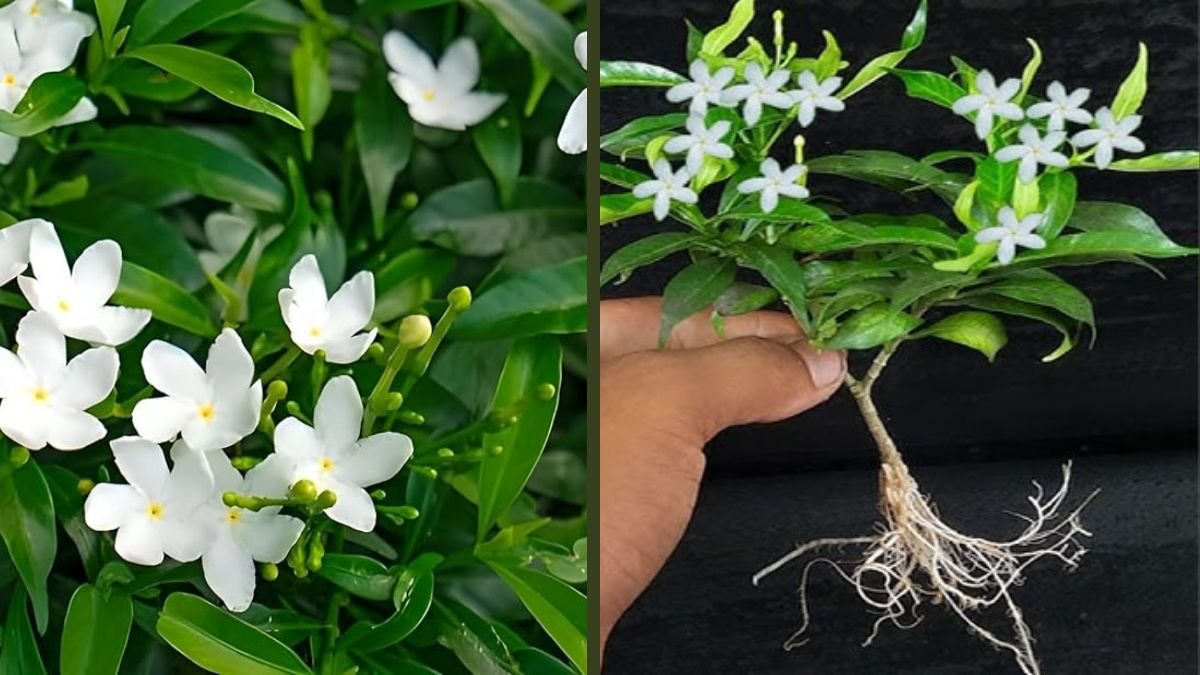
Introduction to Chandni or Tagar Plant
Chandni, also known as Tagar or Crape Jasmine, is a popular fragrant flowering plant. It is widely grown in Indian gardens. The plant produces beautiful white flowers with strong fragrance. Tagar is easy to grow and maintain. Propagation through cuttings is the best method. It ensures identical plants. Cutting propagation is fast and reliable. This article explains the complete process in detail.
Why Choose Cutting Propagation for Tagar
Seed propagation takes more time. Cuttings ensure faster flowering. Plant characteristics remain unchanged. Cutting propagation has high success rate. It is economical and easy. Suitable for beginners. Widely used in nurseries. Reliable method for home gardeners.
Best Season for Chandni Cutting Propagation
Spring and monsoon are ideal seasons. Warm weather supports rooting. Humidity improves success. Avoid winter months. Morning hours are best for cutting. Seasonal timing affects survival. Correct season ensures faster growth. Proper timing increases success.
Selecting Healthy Chandni Cuttings
Choose healthy mother plant. Select semi-hardwood stems. Length should be ten to twelve centimeters. Avoid flowering branches. Leaves should be green. Disease-free cuttings root better. Healthy selection is crucial. Poor cuttings fail easily.
Preparing Cuttings for Planting
Use sharp sterilized tool. Make slanted cut below node. Remove lower leaves. Retain two to three leaves on top. This reduces moisture loss. Optional rooting hormone improves rooting. Allow cutting to dry slightly. Proper preparation prevents rot.
Ideal Soil Mix for Tagar Cuttings
Well-drained soil is essential. Use garden soil, sand, and compost. Coco peat improves moisture retention. Avoid heavy soil. Loose medium supports roots. Sterile soil reduces disease risk. Soil quality affects success. Balanced mix works best.
Planting Chandni Cuttings
Insert cuttings into soil. Node should be inside soil. Press soil gently. Water lightly after planting. Avoid deep planting. Keep pots in shade. Stable planting ensures rooting. Proper placement is important.
Watering and Moisture Management
Maintain moist soil. Avoid waterlogging. Overwatering causes rot. Light watering is sufficient. Mist leaves if needed. Good drainage prevents problems. Balanced moisture supports roots. Consistency is key.
Light Requirements for Rooting
Bright indirect light is ideal. Avoid direct sunlight initially. Shade prevents stress. After rooting, gradually increase sunlight. Balanced light improves growth. Indoor placement works. Light management is essential.
Root Development and Signs
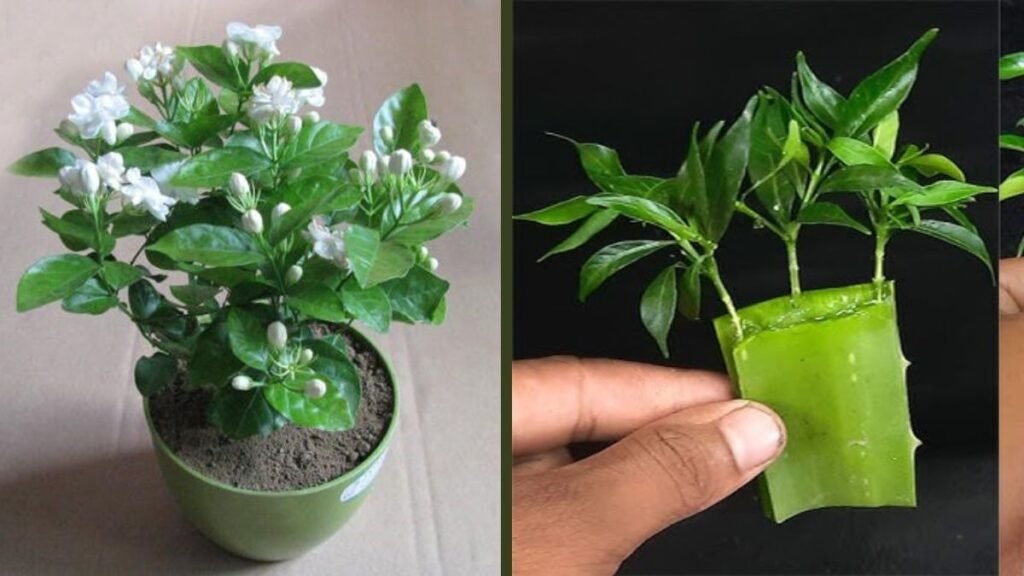
Roots develop within three to five weeks. New leaf growth indicates success. Healthy cuttings remain green. Slight resistance indicates roots. Remove failed cuttings. Observation is important. Patience ensures success.
Transplanting Rooted Chandni Plants
Transplant after strong root formation. Use larger pots. Handle gently. Water immediately after transplant. Avoid fertilizer initially. Gradual sunlight exposure is required. Proper transplanting ensures survival.
Fertilizer Requirements for Tagar
Use organic compost. Apply once a month. Avoid excessive nitrogen. Balanced nutrients improve flowering. Liquid compost works well. Fertilize after establishment. Healthy feeding improves fragrance.
Pruning and Shaping Chandni Plants
Pruning encourages bushy growth. Remove weak branches. Prune after flowering. Shaping improves appearance. Regular pruning increases blooms. Avoid heavy pruning. Controlled pruning works best.
Common Problems in Chandni Propagation
Yellowing leaves indicate overwatering. Root rot occurs in heavy soil. Pest attack may occur. Poor rooting due to dry cuttings. Incorrect season causes failure. Early identification helps. Proper care prevents problems.
Pest and Disease Management
Chandni is relatively pest resistant. Aphids may appear. Neem oil spray works well. Avoid chemical pesticides. Good airflow prevents disease. Healthy plants resist pests. Organic methods are safe.
Advantages of Growing Tagar From Cuttings
Fast growth and flowering. High success rate. Identical plants. Cost-effective. Suitable for pots and gardens. Easy for beginners. Reliable propagation method.
Comparison: Seed vs Cutting Propagation in Chandni
| Aspect | Seed Method | Cutting Method |
|---|---|---|
| Growth Speed | Slow | Fast |
| Flower Quality | Variable | Same as Parent |
| Success Rate | Low | High |
| Ease | Difficult | Easy |
| Reliability | Uncertain | Reliable |
Growing Chandni in Pots and Gardens
Suitable for pots and ground. Ideal for borders and hedges. Requires sunlight after establishment. Regular watering needed. Fragrant flowers enhance garden beauty. Easy maintenance plant. Perfect ornamental shrub.
Long-Term Care Tips
Water regularly. Apply organic manure. Prune occasionally. Protect from pests. Ensure sunlight. Proper care ensures continuous flowering. Healthy plants live long.
Conclusion
Chandni or Tagar cutting propagation is simple and effective. It ensures fast growth and fragrant flowers. With basic care, anyone can succeed. This method is ideal for home gardeners. Grow Chandni and enjoy natural fragrance.