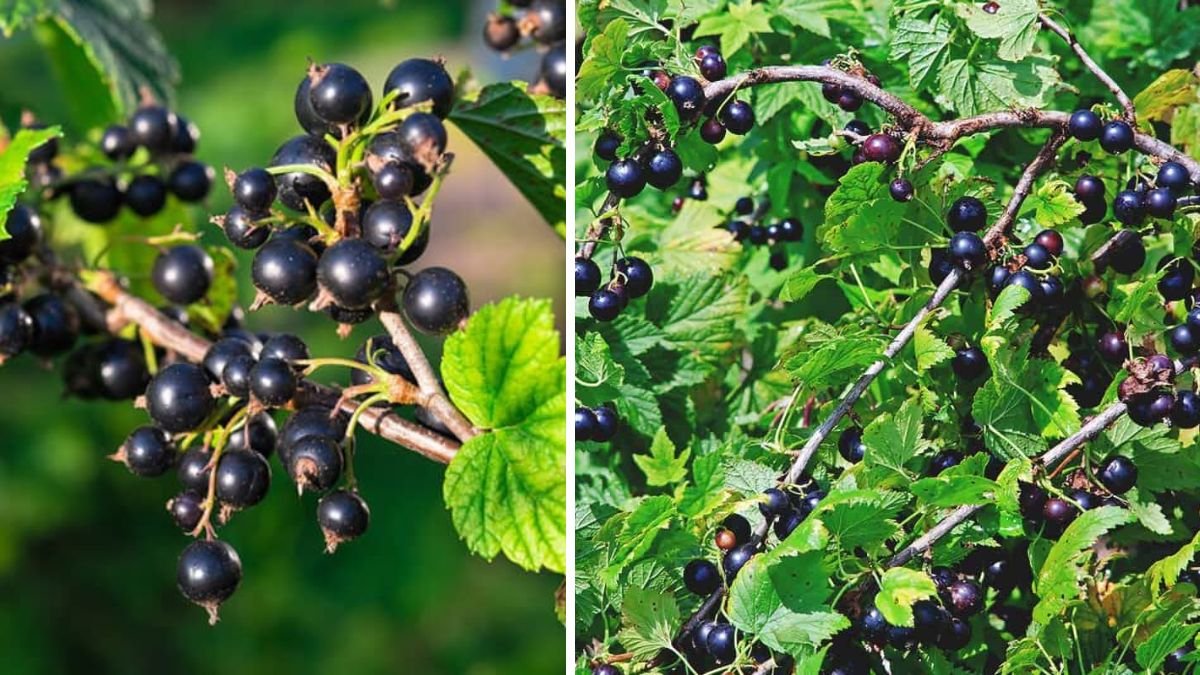
Blackcurrants (Ribes nigrum) are a delightful and nutritious fruit that not only add a burst of flavor to jams, jellies, and desserts but also offer numerous health benefits. Known for their high vitamin C and antioxidant content, these berries thrive in Canada’s diverse climatic conditions. This comprehensive guide explores the essentials of cultivating blackcurrants in Canada, ensuring you can achieve maximum yield and rich flavor.
1. Understanding Blackcurrants
1.1 What are Blackcurrants?
Blackcurrants are small, dark purple berries that grow on deciduous shrubs. They are native to Europe and Asia but have been successfully cultivated in North America. Blackcurrants boast a unique tart flavor and are often used in making beverages, sauces, and desserts.
1.2 Nutritional Benefits
Blackcurrants are rich in vitamins C, A, and E, as well as anthocyanins, which are known for their antioxidant properties. They are also a good source of dietary fiber, manganese, and potassium.
2. Selecting the Right Varieties
Choosing the right variety of blackcurrant is crucial for successful cultivation. Specific cultivars thrive better in different areas of Canada.
2.1 Cold-Hardy Varieties
- Titania: Highly resistant to diseases, produces high yields.
- Ben Sarek: Compact and frost-resistant, ideal for smaller gardens.
- Ben Hope: Known for its superior aroma and flavor, producing high yields.
2.2 Flavor Profiles
Different varieties also have unique flavor profiles. For instance, ‘Ben Hope’ is exceptionally sweet, while ‘Titania’ has a more balanced tartness.
3. Site Selection and Preparation
3.1 Growing Conditions
Blackcurrants prefer:
- Soil: Well-draining, loamy soil rich in organic matter.
- pH Level: A slightly acidic to neutral pH (around 6.0 to 7.0) is ideal.
3.2 Sunlight Requirements
Choose a location that receives full sun for at least six hours a day. Blackcurrants can tolerate partial shade but will produce less fruit.
3.3 Soil Preparation
- Soil Testing: Conduct a soil test to determine nutrient levels and pH.
- Amendments: If necessary, add compost or organic matter to improve soil quality.
4. Planting Blackcurrants
4.1 When to Plant
The best time to plant blackcurrants in Canada is in early spring after the last frost or in the fall.
4.2 Planting Technique
- Spacing: Plant blackcurrant bushes about 4-5 feet apart to allow for growth and ease of maintenance.
- Depth: Dig a hole wide enough to accommodate the roots and deep enough so that the crown of the plant is just at soil level.
- Watering: Water thoroughly after planting to eliminate air pockets.
5. Care and Maintenance
5.1 Watering
Blackcurrants require consistent moisture, especially during the fruiting season. However, ensure not to waterlog the soil, as this can lead to root rot.
5.2 Fertilization
Apply a balanced fertilizer in early spring as new growth begins. A 10-10-10 NPK fertilizer can be beneficial.
5.3 Pruning
Pruning is essential for maximizing yield and maintaining plant health.
- Timing: Prune in late winter or early spring before bud break.
- Techniques:
- Remove dead, diseased, or damaged branches.
- Thin out crowded areas to enhance sunlight penetration and air circulation.
- Encourage a strong central leader for better fruit production.
5.4 Pest and Disease Management
Blackcurrants are susceptible to certain pests and diseases, including:
- Aphids: Use insecticidal soap or neem oil.
- Powdery Mildew: Ensure proper spacing and airflow; use fungicides if necessary.
6. Harvesting Blackcurrants
6.1 When to Harvest
Blackcurrants are typically ready for harvest in late summer, usually between July and August, depending on the variety and local climate conditions.
6.2 How to Harvest
- Gently squeeze the berries; they should easily come off the stems when ripe.
- Use scissors to snip clusters if necessary, minimizing damage to the plant.
6.3 Storing the Harvest
Freshly harvested blackcurrants can be stored in the refrigerator for up to a week. For longer storage, consider freezing or making preserves.
7. Maximizing Yield and Flavor
7.1 Enhancing Flavor
- Sunlight Exposure: Ensure plants receive ample sunlight for better flavor development.
- Water Management: Consistent watering, especially during fruit development, can enhance size and flavor.
7.2 Increasing Yield
- Diversity: Planting multiple blackcurrant varieties in the garden can improve cross-pollination, enhancing fruit set.
- Soil Health: Regularly adding organic matter and ensuring proper soil conditions will support healthier plants and larger yields.
8. Common Challenges and Solutions
8.1 Environmental Stress
Blackcurrants can suffer from environmental stress due to extreme temperatures or inadequate water supply. Ensure consistent care and select resistant varieties.
8.2 Pests and Diseases
Regular monitoring and prompt action against pests and diseases will be vital for sustaining healthy plants.
9. Conclusion
Cultivating blackcurrants in Canada can be a rewarding endeavor, offering bursts of flavor and nutritional health benefits. By selecting the right varieties, ensuring appropriate growing conditions, and maintaining diligent care, gardeners can enjoy bountiful harvests of this remarkable fruit.
FAQs
1. How much sunlight do blackcurrants need?
Blackcurrants prefer full sun for at least six hours a day. They can tolerate partial shade but will produce less fruit.
2. Can I grow blackcurrants in containers?
Yes, blackcurrants can be grown in containers. Choose a large pot with good drainage and ensure consistent watering.
3. What are the main pests to watch for?
Common pests include aphids and caterpillars. Regular monitoring and using organic insecticides can help manage these pests.
4. How often should I prune my blackcurrant bushes?
Pruning should be done annually in late winter or early spring to remove dead or overcrowded branches and improve airflow.
5. Can blackcurrants grow in all types of soil?
They prefer well-draining loamy soil rich in organic matter but can adapt to various soil types if proper care is taken.
6. When is the best time to plant blackcurrants?
The best time to plant blackcurrants is in early spring after the last frost or in the fall.
By following this guide, aspiring gardeners in Canada can embark on their blackcurrant cultivation journey, maximizing both yield and flavor to enjoy this delicious fruit for years to come.