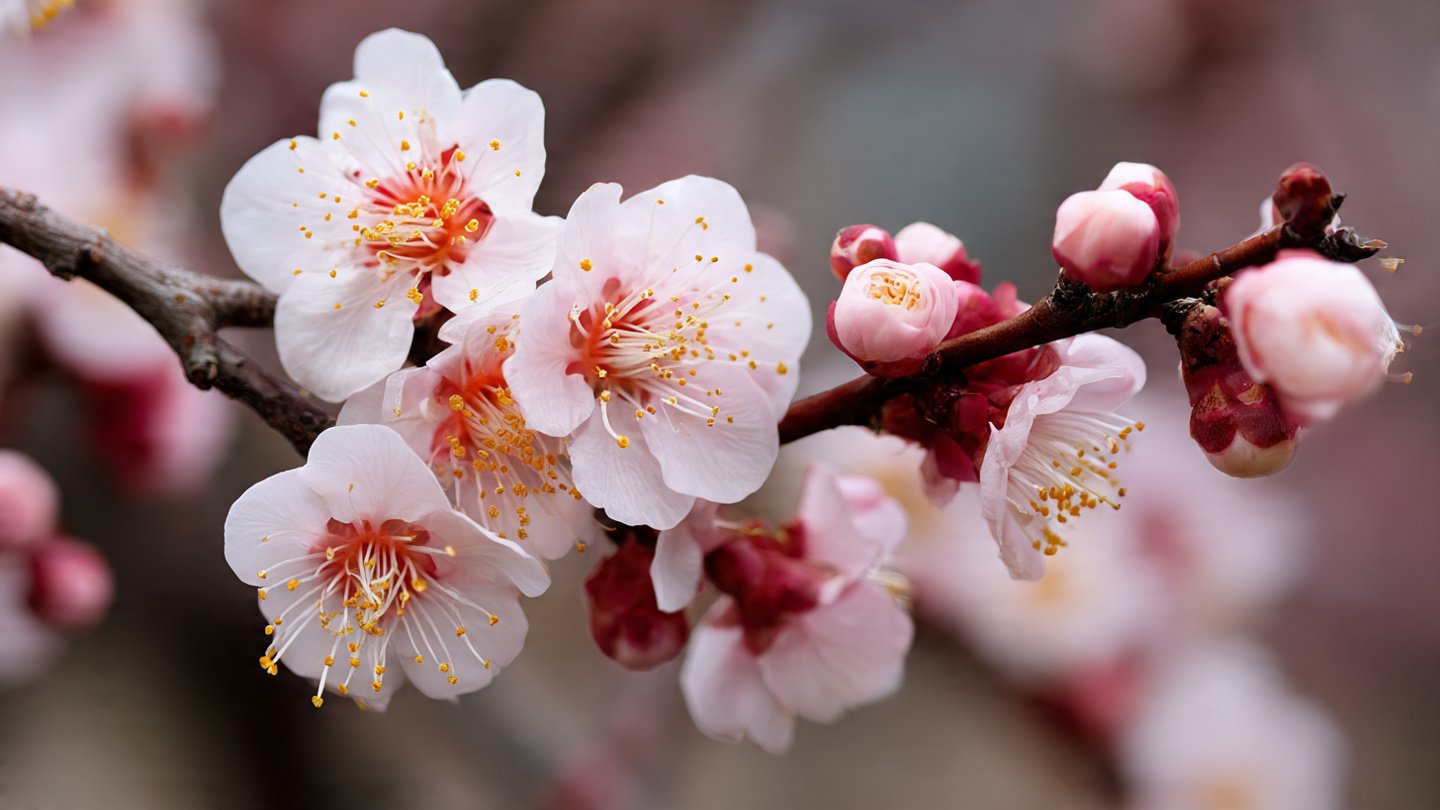
Apricot trees (Prunus armeniaca) are cherished for their delicious fruits and fragrant blossoms. Growing these trees indoors can be a rewarding experience, particularly during the winter months when outdoor temperatures may be too harsh for young trees. This comprehensive guide will provide you with all the information you need to maintain your indoor apricot trees in optimal condition during the colder months.
Understanding Apricot Trees
Apricot trees thrive in USDA hardiness zones 5-8. They require plenty of sunlight, well-draining soil, and a period of dormancy in winter to ensure healthy growth in spring. However, growing apricot trees indoors comes with its own challenges, particularly when the temperature drops. Understanding their needs is crucial for successful indoor cultivation.
Key Considerations for Indoor Care
1. Light Requirements
Apricot trees need at least 6-8 hours of direct sunlight per day. During the winter months, sunlight can be limited, particularly in northern regions. Here are a few tips to manage light effectively:
- South-facing Windows: Position your tree near a south-facing window, where it can receive maximum sunlight.
- Grow Lights: If natural sunlight is insufficient, consider using grow lights. Full-spectrum LED grow lights are a great option and can be used for 12-16 hours a day.
- Rotation: Rotate your tree every couple of weeks to ensure even growth.
2. Temperature Regulation
Apricot trees require a chilling period to ensure they can produce fruit. In indoor conditions, this can be tricky:
- Ideal Temperature: Maintain a temperature between 32°F (0°C) and 45°F (7°C) for 6-8 weeks to induce dormancy.
- Avoid Extreme Heat: Make sure the tree is away from heat sources like radiators, which can cause stress.
3. Humidity Control
Indoor environments, especially during winter, can become very dry:
- Humidity Needs: Apricot trees prefer humidity levels around 50-60%.
- Humidifiers: Use a humidifier or place shallow trays of water near the tree to increase humidity.
- Misting: Lightly mist the leaves occasionally to boost humidity but avoid excessive moisture.
4. Soil Composition
Selecting the right soil is critical. Apricot trees need well-draining soil to avoid root rot:
- Soil Type: Use a mix of potting soil, perlite, and sand in a 3:1:1 ratio. This ensures good drainage while retaining some moisture.
- pH Levels: Aim for a pH between 6.0 and 7.5 for optimal nutrient intake.
5. Watering Practices
Overwatering is a common mistake for indoor apricot trees:
- Watering Frequency: Water when the top 1-2 inches of the soil feels dry. Typically, this means watering every 1-2 weeks during winter.
- Drainage: Ensure your pot has drainage holes to allow excess water to escape.
Fertilization
During winter, your apricot tree will be mainly dormant, which means it doesn’t require as much fertilizer. However, you can prepare for the growing season:
- Fertilizer Type: Use a balanced, slow-release fertilizer specifically formulated for fruit trees.
- Timing: Fertilize in early spring when the tree begins to show signs of new growth.
Pruning and Maintenance
Winter is not the best time for pruning apricot trees, as they are dormant. However, seasonal maintenance is essential:
- Pruning: If necessary, prune dead or diseased branches. This is best done in late winter or early spring before new growth starts.
- Sanitation: Remove any fallen leaves or debris around the base of the tree to prevent pests and diseases.
Pest Control
Although indoor environments reduce the risk of pests, they are not entirely pest-proof:
- Common Pests: Keep an eye out for aphids, spider mites, and whiteflies. Check the leaves regularly for signs of infestation.
- Natural Remedies: If pests are detected, use insecticidal soap or neem oil as a natural remedy. Always test on a small area first to avoid leaf burn.
Signs of Distress
Being attentive to your apricot tree’s health is crucial:
- Leaf Dropping: If your tree’s leaves start to fall, it may be due to overwatering or insufficient light.
- Wilting: Wilting can indicate both overwatering and underwatering. Adjust watering practices based on soil moisture.
- Yellowing Leaves: This can be a sign of nutrient deficiencies. Conduct a soil test and adjust fertilization as needed.
Preparing for Spring
As winter comes to an end, there are several steps to take for a smooth transition:
- Increase Light: Gradually reintroduce direct sunlight if the tree was kept away from it.
- Repotting: If your tree has outgrown its current pot, spring is the best time to repot. Choose a slightly larger pot with fresh soil.
- Regular Watering: Increase watering as temperatures rise and growth resumes.
Conclusion
Maintaining apricot trees indoors during the winter months requires vigilance, care, and a bit of knowledge. With proper attention to light, temperature, humidity, soil, and watering practices, your indoor apricot trees can thrive and prepare for a fruitful growing season. By following this comprehensive guide, you are on your way to gardening success with these delightful trees, ensuring both their health and optimal growth.
FAQs
Q1: Can I grow apricot trees indoors all year round?
Yes, apricot trees can be grown indoors year-round, but they still require specialized care, especially in terms of light and temperature.
Q2: What size pot is best for my indoor apricot tree?
A pot that is 12-18 inches in diameter will usually suffice for a young apricot tree. As it grows, consider moving it to a slightly larger pot.
Q3: How often should I fertilize my indoor apricot tree?
Fertilize your apricot tree twice a year—once in early spring and once again in late spring—using a balanced fertilizer.
Q4: What is the ideal temperature for apricot trees during winter?
Maintain a temperature between 32°F (0°C) and 45°F (7°C) to simulate their natural dormancy period.
Q5: How do I know if my apricot tree is getting enough sunlight?
If your apricot tree is stretching towards the light or has long, leggy branches, it may not be getting enough sunlight. Consider supplementing with grow lights.
By addressing these common questions, you’ll be better equipped to nurture your apricot trees and maximize their growth potential even during the cold winter months. Happy gardening!