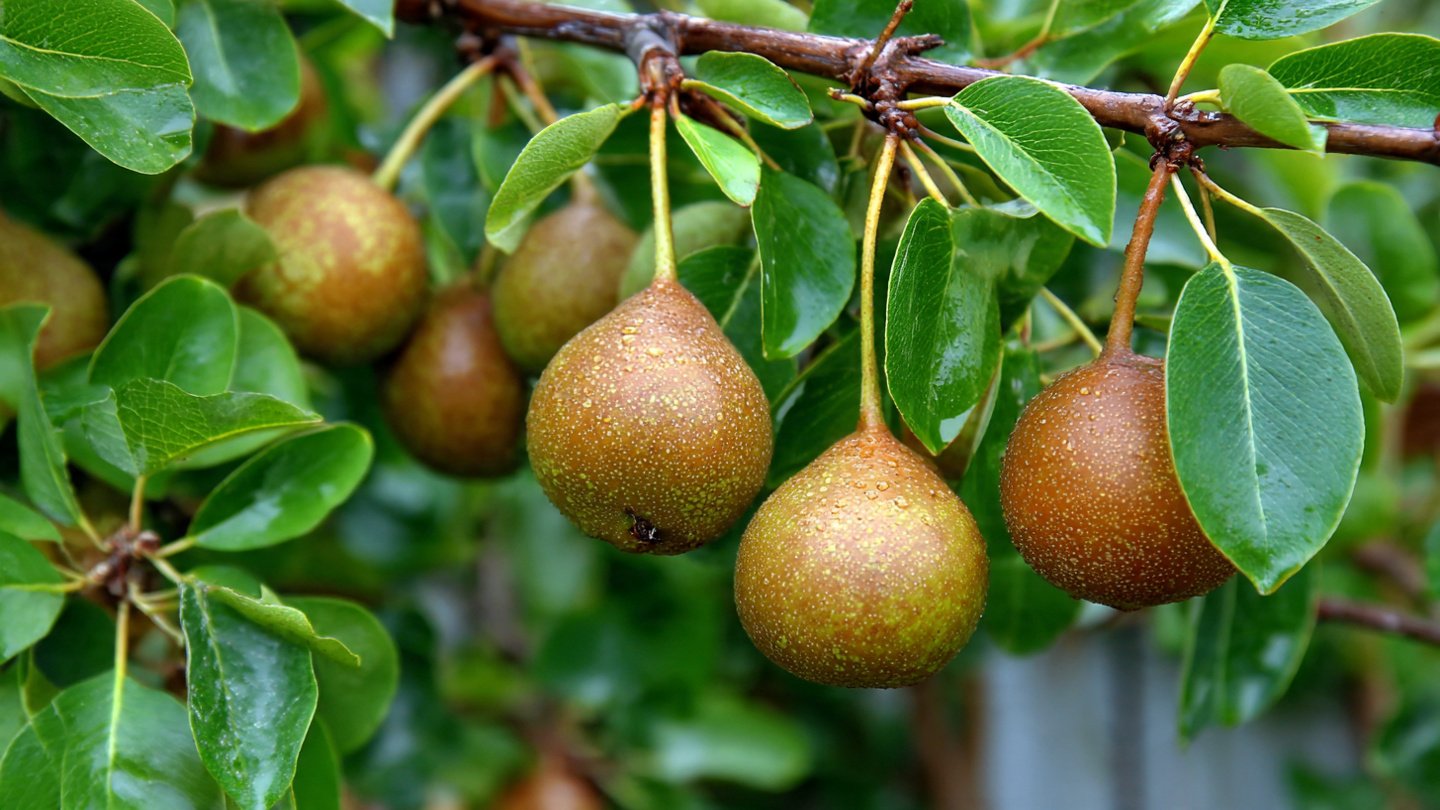
Growing pear trees in pots can be a rewarding endeavor, whether you’re limited on space or simply prefer the aesthetic appeal of container gardening. Proper pruning is essential to ensure health, optimal growth, and abundant fruit production. This comprehensive guide will cover everything you need to know about pruning pear trees in pots, from the right tools to techniques, timing, and troubleshooting.
Understanding the Basics of Pear Trees in Pots
Benefits of Growing Pear Trees in Pots
- Space Management: Ideal for patios, balconies, or small yards.
- Easier Maintenance: Control over soil quality, watering, and pest management.
- Visual Appeal: Add beauty and variety to your outdoor or indoor space.
- Mobility: Pot-grown trees are easy to move for optimal sunlight or protection against extreme weather.
Choosing the Right Variety
Selecting a suitable pear variety is crucial for success. Some great options for container growing include:
- Dwarf Varieties: Such as “Bartlett,” “Bosc,” and “Seckel,” which are naturally smaller and more adaptable to pots.
- Pollination Considerations: Most pears require cross-pollination for fruit set, so consider planting at least two different varieties.
Pot Selection and Preparation
Choosing the right pot is vital for the health of your pear tree:
Pot Size
- Initial Size: Start with a pot that is at least 12-16 inches in diameter for young trees.
- Future Transplants: As your tree grows, plan to repot into larger containers (up to 24 inches or more) to accommodate root development.
Drainage
- Drainage Holes: Ensure the pot has adequate drainage holes to prevent waterlogging.
- Drainage Layer: Adding a layer of gravel or stones at the bottom can help with drainage.
Soil Type
Utilize a well-draining potting mix, ideally one formulated for fruit trees, to support healthy growth.
Pruning Fundamentals
Why Pruning is Important
- Healthier Trees: Removes dead or diseased wood, promoting better air circulation and light penetration.
- Structural Integrity: Established a strong structure that can support fruit production.
- Enhanced Production: Encourages fruiting by increasing light exposure to the fruit-bearing branches.
Tools Needed for Pruning
- Bypass Pruners: For small branches and general pruning.
- Loppers: For larger branches that are too thick for hand pruners.
- Handsaw: For substantial cuts on thicker branches.
- Gloves: Protect your hands while working.
- Disinfectant: To clean tools between cuts, preventing transmission of disease.
Best Time to Prune Pear Trees
Dormant Season Pruning
- Ideal Timing: Late winter or early spring, before new growth begins.
- Advantages: Easier to see the tree’s structure without leaves, and less stress from pruning during dormancy.
Summer Pruning
- When to Prune: Mid-summer can be beneficial for managing growth.
- Purpose: To control size and shape, as well as to remove excess growth that could inhibit air circulation.
Pruning Techniques
1. Establishing a Central Leader
For young pear trees, maintaining a central leader is crucial in shaping the tree.
- Select the strongest stem to be the central leader.
- Remove competing leaders and branches at a lower angle to maintain an ideal shape.
2. Thinning Cuts
Thin out branches to improve air circulation and light penetration.
- Target crowded areas, removing branches that cross or rub against each other.
- Ensure branches are spaced apart to allow for optimal growth.
3. Heading Cuts
Heading cuts encourage branching and bushier growth.
- Cut back tips of branches to promote lateral growth.
- This technique helps maintain a manageable tree size.
4. Removing Dead or Diseased Wood
Remove any wood that appears discolored, brittle, or shows signs of disease.
- Cut back to healthy tissue, ensuring that your cuts are clean and angled to prevent water accumulation.
5. Harvesting
After the tree begins to bear fruit, seasonal thinning of the fruit will improve quality and yield.
- Thin the fruit during the fruit set, ideally leaving one pear every 4-6 inches along the branches.
Post-Pruning Care
Once you’ve finished pruning, it’s essential to care for your tree appropriately:
- Watering: Ensure your tree receives adequate water, especially after pruning, to support recovery.
- Fertilizing: Use a balanced, slow-release fertilizer in spring to provide essential nutrients.
- Mulching: A layer of mulch can help retain moisture and suppress weeds.
- Monitoring: Keep an eye on your tree for pests or any signs of disease.
Troubleshooting Common Issues
Poor Growth
- Causes: Could be lack of sunlight, improper watering, or poor soil quality.
- Solutions: Ensure your pot is placed where it receives at least 6-8 hours of sunlight daily, and check your watering schedule.
Disease and Pests
- Common Problems: Leaf spot, fire blight, aphids, or spider mites.
- Solutions: Make sure your tools are disinfected, remove infected areas, and use appropriate organic or chemical treatments.
Inadequate Fruit Production
- Causes: Could be lack of pollination, overcrowding in branches, or improper pruning.
- Solutions: Ensure the presence of suitable pollinator trees, thin out the canopy for light exposure, and evaluate your previous pruning techniques.
FAQs
1. How often should I prune my pear tree in a pot?
Generally, annual pruning during the dormant season is ideal. However, summer pruning can also be beneficial for managing growth and improving airflow.
2. Can I prune my pear tree any time of the year?
While it’s possible to make minor adjustments at any time, the best practice is to prune during the dormant season. Summer pruning can be done but should be limited to controlling growth.
3. Do I need to use pruning sealers?
While not strictly necessary, using a quality pruning sealant can help protect large cuts from disease and pests if you’ve removed significant branches.
4. What is the best fertilizer for potted pear trees?
A balanced fertilizer that includes nitrogen, phosphorus, and potassium (N-P-K) at a 10-10-10 ratio or a slow-release fruit tree formula is ideal.
5. How can I tell if my pear tree is healthy?
Signs of a healthy tree include vigorous growth, vibrant green leaves, and no signs of pests or diseases. Regular watering, sunlight, and proper pruning will support this.
6. Can I overwinter my potted pear tree indoors?
Yes, but ensure that it receives plenty of sunlight and is kept in a cool environment. Protect it from freezing temperatures but avoid placing it near heating vents.
7. What if I notice my tree is not producing fruit?
This could be due to insufficient pollination. Ensure you have a compatible pollinator nearby. Additionally, assess your pruning approach and tree health.
8. How big will my potted pear tree get?
Dwarf varieties typically grow to about 4-8 feet, while semi-dwarf varieties can reach 8-12 feet. Regular pruning will help manage the size effectively.
Conclusion
Pruning pear trees in pots is an art and a science, offering a fulfilling gardening experience that yields beautiful fruit. Careful attention to pruning techniques, timing, and tree care will optimize growth and productivity. By following this comprehensive guide, you’ll be well-equipped to maintain your potted pear tree for many fruitful seasons ahead. Happy gardening!