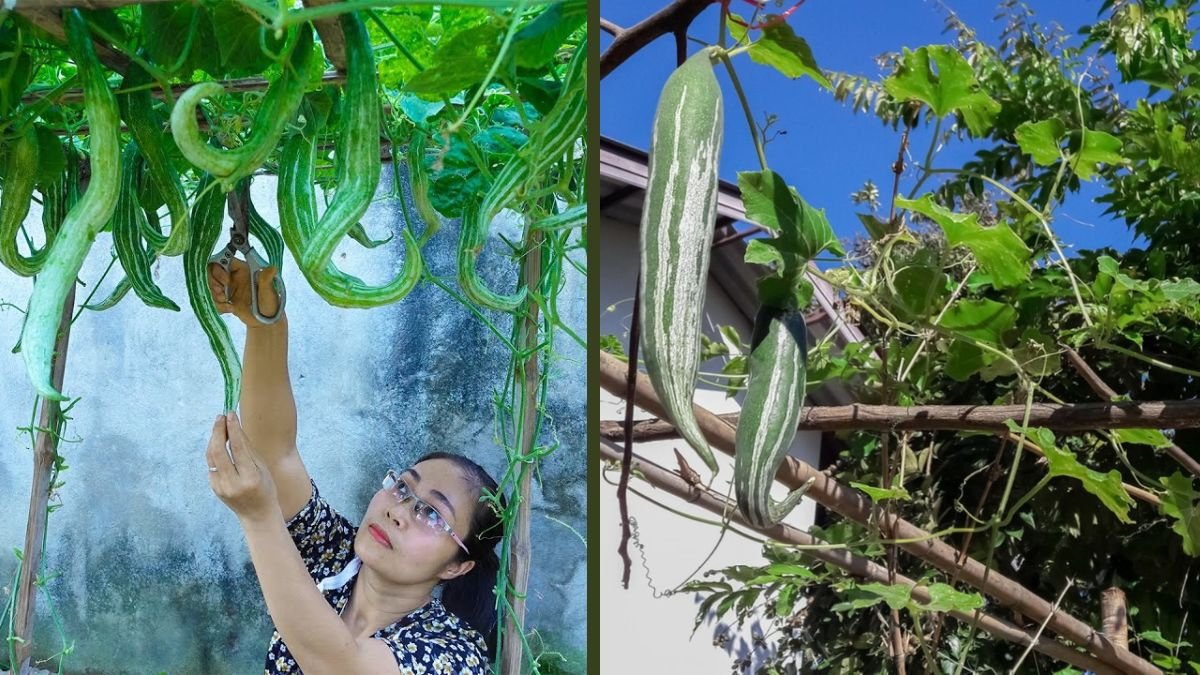
Introduction: Snake Gourd Gardening Even in Poor Soil
Snake gourd is a traditional vegetable loved for its taste and health benefits. Many mothers believe that poor or barren soil cannot support this crop. In reality, snake gourd is a hardy climber that adapts well with the right technique. Even dry, nutrient-poor land can produce healthy vines. With proper preparation and care, soil quality can be improved naturally. This article explains a confident method suitable for villages and home gardens. Mothers can grow snake gourd without fear. The focus is on simplicity and success.
Understanding the Nature of Snake Gourd Plant
Snake gourd is a fast-growing vine with deep-reaching roots. It prefers warm weather and good sunlight. The plant climbs easily with support. Flowers appear early when vines are healthy. Fruit growth depends on balanced nutrition. Snake gourd tolerates tough conditions better than many vegetables. Understanding this nature builds confidence. The plant rewards even basic care generously.
Why Barren Soil Should Not Stop You
Barren soil often lacks nutrients but not potential. Snake gourd does not require rich soil initially. Organic matter slowly improves soil structure. Roots search for nutrients effectively. With compost and moisture, barren soil becomes productive. Many successful harvests come from neglected land. Confidence grows when results appear. Soil can always be corrected.
Preparing the Soil Naturally at Home
Start by loosening the soil deeply. Remove stones and weeds. Mix compost or cow dung evenly. Add dry leaves or kitchen waste compost. This improves moisture retention. Even sandy soil benefits greatly. No chemicals are required. Natural soil preparation builds long-term fertility.
Selecting Good Quality Seeds
Healthy seeds ensure strong plants. Choose seeds from ripe fruits or trusted sellers. Avoid cracked or damaged seeds. Soak seeds overnight for faster germination. Good seeds sprout uniformly. Strong seedlings survive harsh conditions better. Seed quality directly affects yield. Mothers should never compromise here.
Best Time to Plant Snake Gourd
Snake gourd grows best in warm seasons. Early summer and monsoon are ideal. Avoid extreme cold. Warm soil encourages quick germination. Seasonal timing reduces stress on plants. Proper timing saves effort. Nature supports growth naturally. Planning planting time increases success.
Spacing and Layout for Weak Soil
Proper spacing reduces competition. Each plant needs room to spread roots. Overcrowding stresses plants in poor soil. Maintain distance between pits. This allows better nutrient access. Airflow improves disease resistance. Spacing is more important in weak soil. Less plants give more yield.
Watering Technique for Dry Land
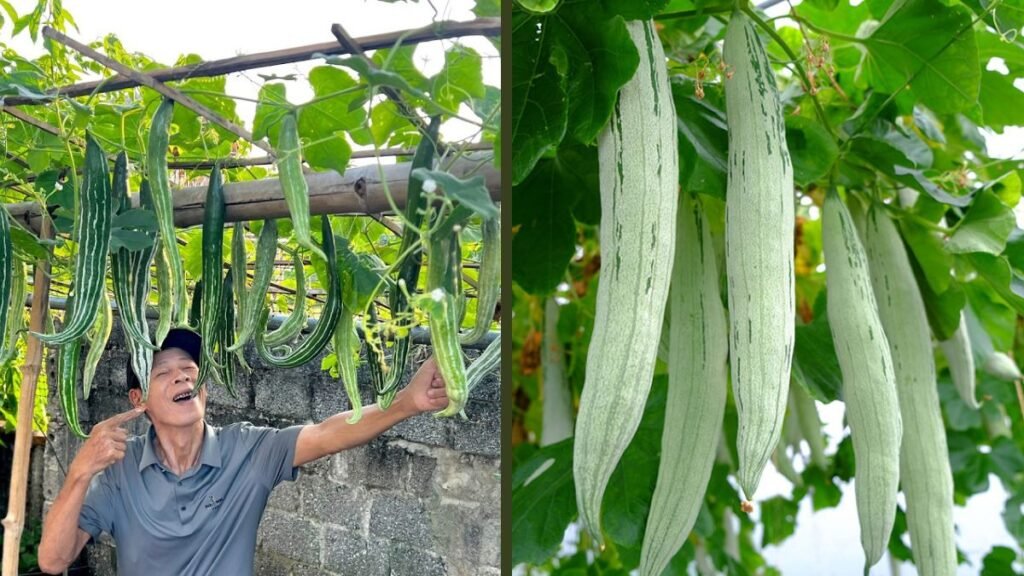
Snake gourd prefers consistent moisture. Avoid flooding barren soil. Water slowly and deeply. Mulching reduces evaporation. Morning watering is best. Even dry land holds moisture longer with mulch. Correct watering prevents bitterness. Balanced moisture keeps vines healthy.
Supporting the Vines Effectively
Snake gourd climbs naturally. Provide bamboo or rope support. Vertical growth improves air circulation. Fruits grow straight and clean. Support saves ground space. Strong support prevents vine damage. Healthy climbing increases yield. This step is very important.
Organic Nutrition for Better Growth
Use compost tea every two weeks. Cow dung slurry improves growth. Avoid chemical fertilizers. Organic feeding improves soil slowly. Plants stay stress-free. Continuous feeding supports flowering. Healthy vines produce more fruits. Organic methods are safer for families.
Managing Pests Without Chemicals
Snake gourd faces minor pest attacks. Neem spray works well. Hand removal is effective early. Healthy plants resist pests better. Avoid chemical sprays. Natural control protects soil life. Simple methods are enough. Mothers can manage pests easily.
Flowering and Pollination Tips
Male and female flowers appear separately. Bees help pollination naturally. Avoid spraying during flowering. Hand pollination helps in low insect areas. Pollination ensures fruit setting. Good flowering means good nutrition. Care during this stage improves yield.
Fruit Development and Care
Fruits grow quickly after pollination. Maintain regular watering. Avoid sudden stress. Support fruits gently if needed. Harvest at tender stage. Overgrown fruits reduce quality. Regular harvesting promotes more fruits. Care at this stage matters.
Harvesting Snake Gourd Properly
Harvest when fruits are green and tender. Use a sharp knife. Avoid pulling the vine. Morning harvest keeps fruits fresh. Regular harvest encourages more growth. Gentle handling prevents damage. Proper harvesting increases plant life.
Improving Soil After Each Harvest
Add compost after harvest. Remove old vines. Loosen soil again. Soil quality improves season after season. Continuous improvement benefits future crops. Barren soil slowly becomes fertile. Patience brings results. Soil transformation is natural.
Common Mistakes to Avoid
Overwatering dry soil. Skipping mulch. Overcrowding plants. Using chemical fertilizers. Ignoring support structures. These mistakes reduce yield. Avoiding them ensures success. Learning improves confidence.
Comparison Table: Barren Soil vs Improved Soil
| Aspect | Barren Soil | Improved Soil |
|---|---|---|
| Nutrient Level | Low | Moderate |
| Moisture Holding | Poor | Good |
| Plant Growth | Weak | Strong |
| Yield | Low | High |
| Sustainability | Short term | Long term |
Benefits for Mothers and Home Gardens
Low investment gardening. Healthy vegetables at home. Builds confidence in mothers. Improves family nutrition. Suitable for villages. Easy to manage daily. Encourages self-reliance. Gardening becomes enjoyable.
Sustainability and Long-Term Value
Organic practices protect soil. Improves land value. Reduces expenses. Encourages eco-friendly habits. Supports future crops. Sustainability benefits everyone. Long-term gains are visible.
Conclusion
Despite barren soil, snake gourd can be grown confidently with the right approach. Simple organic methods, patience, and basic care turn poor land into productive gardens. Mothers can grow nutritious vegetables successfully and proudly.