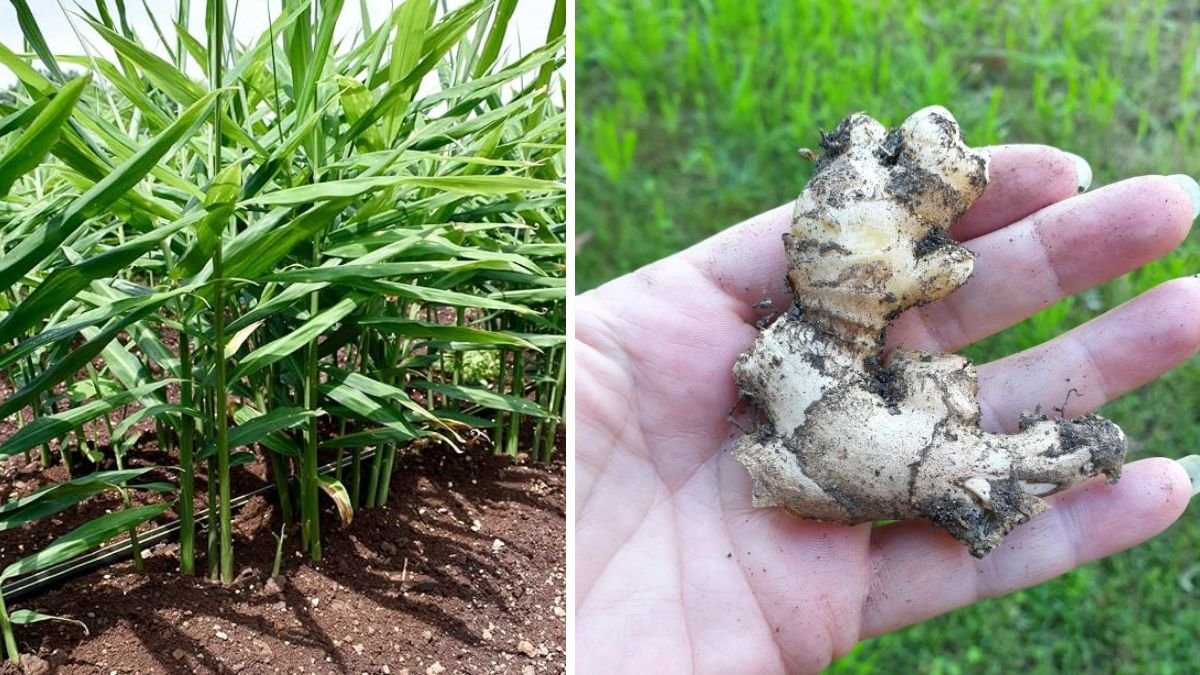
Growing organic ginger in your backyard can be both a rewarding and delicious venture. Ginger, known for its culinary and medicinal uses, is a vibrant tropical plant that can thrive in various climates. With the right techniques and care, you can cultivate this aromatic root in your garden, providing fresh ginger for your culinary creations. Here’s a comprehensive guide on how to effectively grow organic ginger at home.
Understanding Ginger
Ginger (Zingiber officinale) is a flowering plant that is widely used as a spice. The part of the plant that is mostly harvested and consumed is its rhizome, which is often mistaken for a root. Fresh ginger boasts a zesty aroma and a spicy flavor that can enhance dishes, teas, and even beverages. Besides its culinary uses, ginger is renowned for its health benefits, including anti-inflammatory and digestive properties.
Choosing the Right Variety
Before you begin, it’s essential to choose the right variety of ginger. While most ginger sold in grocery stores is suitable for growing, consider purchasing certified organic ginger seed rhizomes from a garden center or online supplier. Varieties to consider include:
- Common Ginger (Zingiber officinale): This is what you’ll commonly find in supermarkets.
- Blue Ginger (Zingiber zerumbet): Known for its beautiful foliage, it can also be used in cooking.
- Japanese Ginger (Zingiber mioga): This variety has unique flower buds and is used in Japanese cuisine.
Preparing Your Garden Bed
Location
Ginger thrives in warm, humid environments, preferring partial shade to full sun. Select a location in your garden that receives filtered sunlight, especially during the hottest part of the day.
Soil
Ginger prefers rich, loamy, and well-draining soil. Here’s how to prepare your garden bed:
-
Test Your Soil: Use a soil test kit to assess your soil’s pH and nutrient levels. Ginger grows best in slightly acidic to neutral pH (around 6.0 to 7.0).
-
Amend the Soil: Enrich your soil by mixing in organic matter like compost or well-rotted manure. This boosts nutrient content and improves drainage.
-
Tilling: Loosen the soil to a depth of about 12-18 inches to allow the ginger rhizomes to spread.
Planting Ginger
When to Plant
The best time to plant ginger is in late winter or early spring, after the last frost. This allows the plant to grow in warm conditions.
Selecting Seed Rhizomes
When selecting rhizomes to plant, look for plump pieces with visible eyes or buds on them. Avoid any that are shriveled or moldy.
Planting Techniques
-
Cutting the Rhizome: If your rhizome is large, you can cut it into smaller pieces, each with one or two eyes. Let the cut surfaces dry for 24 hours to prevent rot.
-
Planting Depth: Plant ginger pieces about 2-4 inches deep, with the eyes facing upwards.
-
Spacing: Space each rhizome 12-18 inches apart to allow adequate room for growth.
Watering
After planting, water the ginger thoroughly. Keep the soil consistently moist but not waterlogged. Ginger prefers a humid environment, so misting can be beneficial, especially in dry climates.
Caring for Ginger Plants
Mulching
Applying a layer of organic mulch (such as straw or dried leaves) helps retain soil moisture, suppress weeds, and maintain a stable soil temperature.
Fertilization
To support growth, fertilize your ginger plants every 4-6 weeks with a balanced organic fertilizer or compost tea. This gives the plants a boost in nutrients, aiding development.
Weed Control
Regularly check for weeds. Hand-pulling is often the best method to avoid disrupting the ginger rhizomes. Mulching can also help smother weeds.
Pest and Disease Management
Ginger is relatively resistant to pests, but keep an eye out for:
- Aphids: Use insecticidal soap or neem oil for treatment.
- Fungal Diseases: Ensure proper air circulation and avoid overhead watering to minimize the risk of fungal infections.
Harvesting Your Ginger
Ginger typically takes around 8-10 months to mature. Here’s how to know when it’s time to harvest:
-
Signs of Maturity: The leaves will begin to yellow and die back. This is a good indicator that the rhizomes are ready for harvest.
-
Harvesting Techniques: Carefully dig around the base of the plant with a spade or fork. Gently lift the rhizomes out of the soil, avoiding damage.
-
Storing: Fresh ginger can be stored in the refrigerator for several weeks. Alternatively, you can dry it for longer storage or freeze it for various uses.
Propagation
Ginger can be propagated year-round by planting pieces of rhizome. If you’ve had a successful harvest, save some of the best rhizomes to plant in the next growing season.
Benefits of Growing Organic Ginger
- Freshness: Homegrown ginger offers unmatched flavor and freshness.
- Health Benefits: You have complete control over how it’s grown, ensuring it’s free from pesticides and chemicals.
- Culinary Uses: Fresh ginger can be used in a wide variety of dishes, adding flavor and health benefits.
FAQs
Q1: Can I grow ginger in containers?
Yes, ginger can be successfully grown in containers. Choose a deep pot (at least 12-14 inches) to allow for adequate root development. Ensure the container has drainage holes.
Q2: How much sunlight does ginger need?
Ginger prefers filtered sunlight or partial shade. Too much direct sun can scorch the leaves, while too little can hinder growth.
Q3: What is the ideal temperature for growing ginger?
Ginger grows best in temperatures between 70°F and 90°F (21°C to 32°C). Protect the plant from frost, which can damage the rhizomes.
Q4: How often should I water ginger?
Ginger needs consistent moisture. Water when the top inch of soil feels dry, but avoid waterlogging. Overwatering can lead to rot.
Q5: Can I grow ginger indoors?
Yes, ginger can be grown indoors as long as it receives adequate light and humidity. Consider using grow lights if natural light is insufficient.
Q6: How do I know when to harvest ginger?
Ginger is ready for harvest when the leaves turn yellow and die back, typically around 8-10 months after planting.
Q7: How do I store freshly harvested ginger?
Fresh ginger can be stored in the refrigerator for a few weeks. For longer storage, consider drying or freezing it.
Q8: Is ginger prone to pests?
Ginger is relatively pest-resistant, but keep an eye out for aphids and fungal diseases. Regular monitoring and good cultural practices can reduce these risks.
Conclusion
Growing organic ginger in your backyard garden is an enriching experience that can enhance your culinary endeavors and promote a healthier lifestyle. With proper care, attention, and the right techniques, you can cultivate this versatile spice. Embrace the journey of nurturing your ginger plants, and enjoy the fresh, fragrant rewards they yield for years to come!