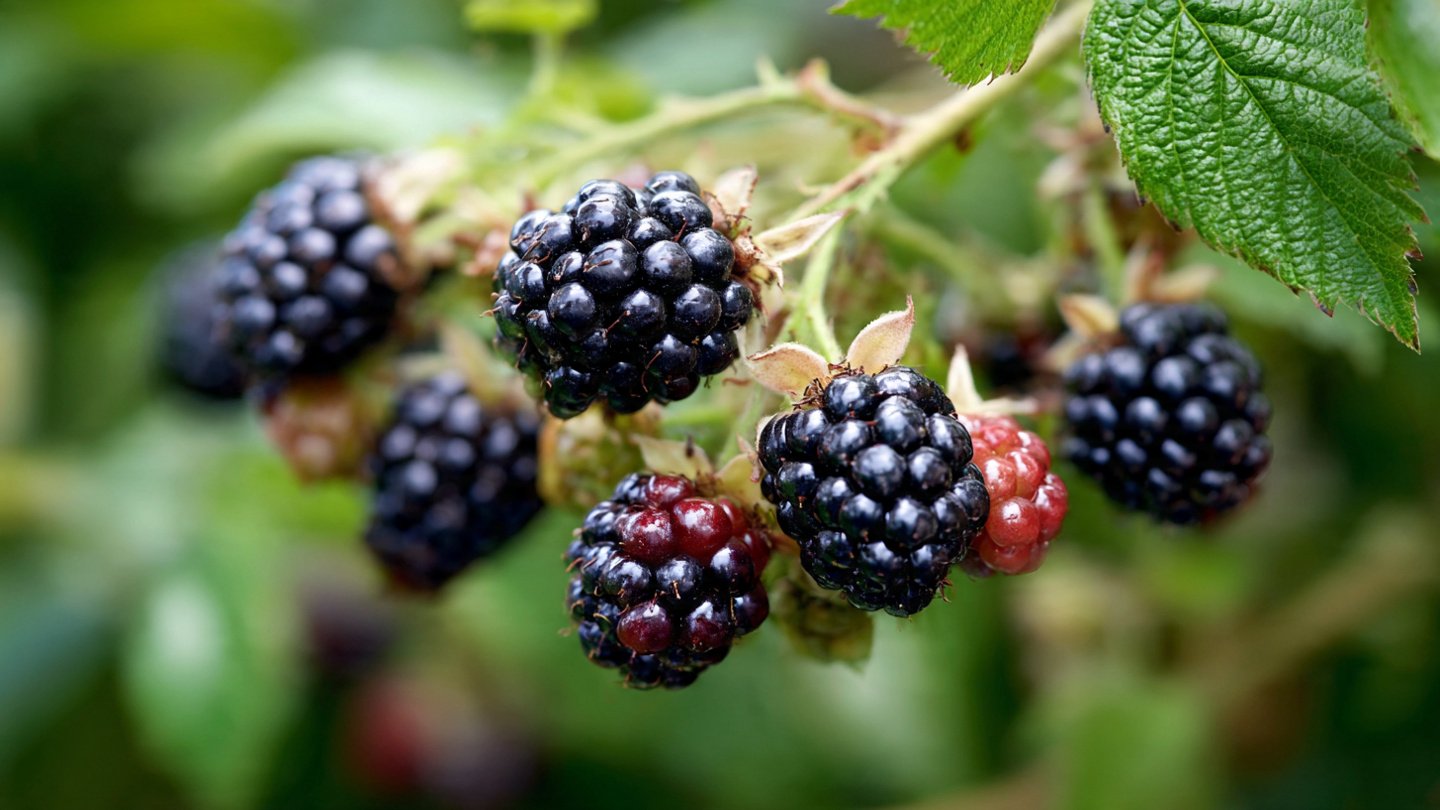
Growing blackberries can be a rewarding endeavor for any gardener, especially when you choose varieties that thrive in colder climates. Cold-tolerant blackberry varieties not only allow you to enjoy delicious berries but also ensure that your garden remains vibrant and fruitful even in harsher weather conditions. This article will delve into effective strategies for cultivating these resilient plants, covering everything from initial planning to maintenance and harvesting.
Understanding Cold-Tolerant Blackberry Varieties
Before diving into the specific strategies, it’s vital to first understand what cold-tolerant blackberry varieties are. Blackberries belong to the genus Rubus, and cold-tolerant types can withstand temperatures as low as -10°F (-23°C). Some popular cold-hardy varieties include:
- Chester: Known for its thornless feature, Chester is one of the most popular cold-tolerant varieties with excellent flavor and yield.
- Black Satin: This thorny variety produces juicy, sweet berries and is incredibly hardy, thriving in USDA zones 5-8.
- Triple Crown: A thornless variety, Triple Crown offers sweet and large berries, making it an excellent choice for gardeners seeking both productivity and ease of harvesting.
Site Selection and Preparation
1. Choosing the Right Location
When selecting a site for planting blackberries, consider these factors:
- Sunlight: Blackberries require full sun for optimal growth. Choose a location that receives at least six to eight hours of direct sunlight daily.
- Drainage: Good drainage is crucial. Well-drained soil prevents root rot, which can be detrimental to blackberry plants. If your soil retains too much moisture, consider planting on raised beds.
- Wind Protection: Locate your blackberry bushes in a spot shielded from harsh winds to avoid damage to the plants and ensure better pollination.
2. Soil Preparation
Blackberries thrive in slightly acidic to neutral soil (pH 5.5 to 7.0). Prepare your soil by:
- Testing: Conduct a soil test to determine pH and nutrient levels. Amend the soil based on results to ensure optimal growing conditions.
- Amending: Incorporate organic matter like compost or well-rotted manure to improve soil structure and fertility.
- Tilling: Break up the soil to a depth of at least 12 inches, ensuring that the root system has space to expand.
Planting Techniques
1. Timing
The best time to plant blackberries is in early spring after the last frost or in the fall before the first frost. This allows the plants to establish themselves before the extreme temperatures set in.
2. Spacing
When planting blackberries, proper spacing is essential to allow for air circulation and growth. Space the plants approximately 3 to 4 feet apart within a row, and provide 8 to 10 feet between rows, especially if you’re using a trellis system.
3. Planting Instructions
- Dig a hole that’s larger than the root ball of the blackberry plant.
- Place the plant in the hole, ensuring that the crown (the point where the roots meet the stem) is level with the soil surface.
- Backfill the hole with soil, packing it gently around the roots.
- Water thoroughly to eliminate air pockets and encourage the roots to settle.
Care and Maintenance
1. Watering
During the first year, blackberry plants need consistent moisture. Aim for about 1-2 inches of water per week, depending on weather conditions. Once established, they can tolerate drought but will produce better yields with regular watering.
2. Fertilization
Fertilize your blackberries in early spring before new growth begins. Use a balanced fertilizer (e.g., 10-10-10) at a rate recommended on the package. Avoid over-fertilization, which can lead to excessive leaf growth at the expense of fruit production.
3. Pruning
Pruning is crucial for maintaining plant health and productivity:
- Summer Pruning: Remove spent floricanes (the canes that bore fruit) after harvest to promote better air circulation and light penetration.
- Winter Pruning: In late winter, before new growth begins, trim the remaining canes to your desired height, encouraging bushiness and better fruit production.
4. Pest and Disease Management
Being proactive about pest and disease management can save your crop:
- Common Pests: Watch for aphids, spider mites, and Japanese beetles. Natural predators or insecticidal soaps can help manage these pest populations.
- Diseases: Fungal diseases such as root rot and powdery mildew can threaten blackberry plants. Ensuring good drainage, proper spacing, and adequate air circulation can minimize risks.
Supporting Your Plants with Trellising
Using a trellis is highly beneficial for blackberry plants:
- Purpose: It keeps the canes off the ground, improving air circulation and reducing disease risk. A trellis also makes harvesting easier and keeps the fruit clean.
- Structure: Create a simple wire trellis system with sturdy posts and multiple horizontal wires for the canes to climb.
- Training: Train canes by tying them to the trellis using soft ties. This encourages vertical growth and a more manageable plant structure.
Harvesting
1. When to Harvest
Blackberries typically ripen in mid-summer, but timing varies by variety and climate. Harvest when the berries are fully black, plump, and easily detach from the cane.
2. Harvesting Techniques
- Gentle Handling: Be gentle when picking to avoid squashing the fruit.
- Use of Containers: Use shallow containers for collection to minimize bruising.
3. Post-Harvest Care
After harvesting, refrigerate the berries promptly, as they are highly perishable. Rinse them gently before eating or processing, but avoid soaking them in water to prevent waterlogging.
FAQs
1. What are the best cold-tolerant blackberry varieties for northern climates?
Some of the best varieties include Chester, Black Satin, and Triple Crown, all known for their hardiness and excellent fruit quality.
2. How much sunlight do blackberries need?
Blackberries require full sun, ideally 6-8 hours of direct sunlight each day for optimal growth and fruit production.
3. Can blackberries be grown in pots?
Yes, blackberries can be grown in containers. Choose a large pot (at least 5 gallons) with good drainage to accommodate root growth.
4. How often should I water my blackberry plants?
During the first year, aim for 1-2 inches of water per week. Established plants can tolerate drought but thrive with regular watering.
5. When should I prune my blackberry bushes?
Pruning should be done in two stages: summer pruning after harvesting to remove spent floricanes and winter pruning in late winter to shape the plant and encourage growth.
6. What pests should I watch for when growing blackberries?
Common pests include aphids, spider mites, and Japanese beetles. Monitoring and using organic pest control methods can help protect your plants from damage.
7. Is it necessary to use a trellis for blackberries?
While not mandatory, using a trellis system for blackberries is highly recommended as it improves air circulation, reduces disease risk, and makes harvesting easier.
Growing cold-tolerant blackberry varieties in your garden can yield multiple benefits, from delicious fruits to enhanced garden aesthetics. By employing the strategies outlined in this guide—from site selection to post-harvest care—you can create a thriving environment for these resilient plants. Whether you are an experienced gardener or a beginner, these tips will help you cultivate a fruitful blackberry garden year after year.