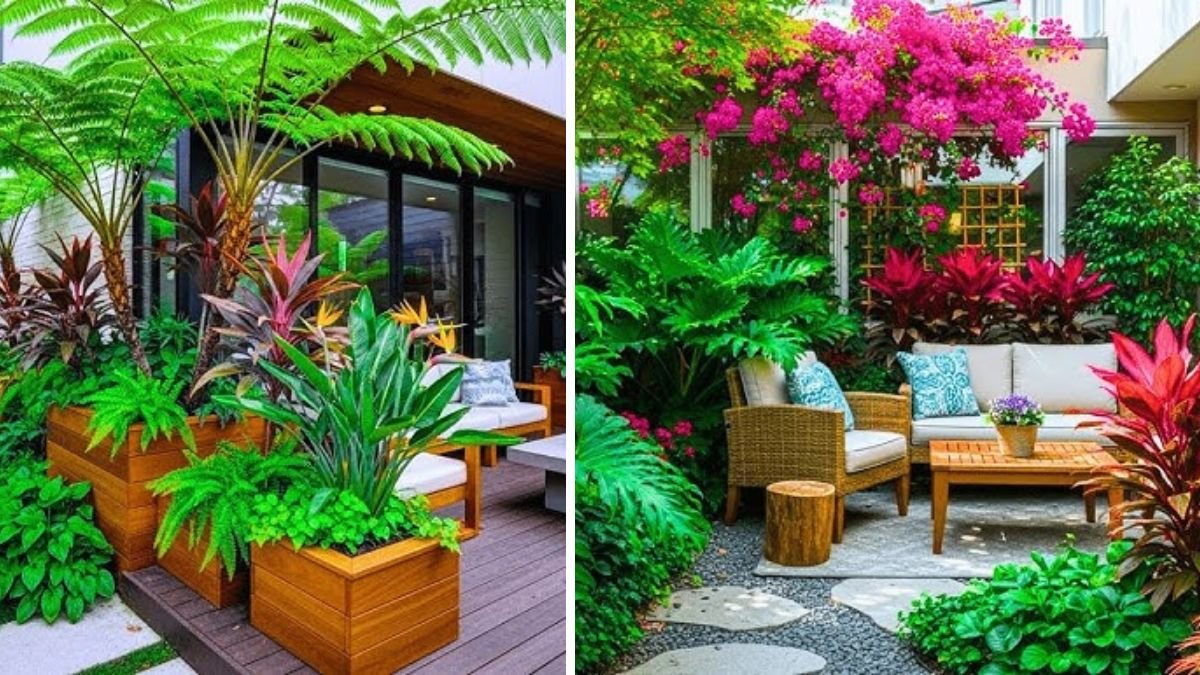
Creating a lush tropical oasis in your backyard can transform your outdoor space into a vibrant and serene retreat. Imagine stepping outside your home and being enveloped by the sights, sounds, and smells of a tropical paradise. With a bit of creativity, planning, and the right plants, you can achieve this inviting environment. In this article, we will explore simple steps to help you create your own backyard oasis.
1. Planning Your Tropical Oasis
1.1 Assess Your Space
Start by evaluating the size and shape of your backyard. Note the areas that receive direct sunlight, shade, or partial sunlight. This assessment will guide your plant selection and arrangement.
1.2 Define Your Vision
Do you envision a peaceful retreat, a vibrant social area, or perhaps a combination? Sketch a layout that includes pathways, seating areas, and plant beds. Consider including features like water fountains, ponds, or a fire pit to enhance the atmosphere.
1.3 Budgeting
Creating a tropical oasis doesn’t have to break the bank. Set a realistic budget that covers plants, landscaping materials, and decor. Once you have an idea of how much you want to spend, you’ll have a clearer path to achieving your vision.
2. Choosing the Right Plants
2.1 Tropical Plants
The key to a tropical paradise lies in your plant selection. Look for vibrant foliage and flowers that thrive in your climate. Here are some excellent choices:
- Palm Trees: Varieties like the Areca, Coconut, or Sago palm can provide height and visual interest.
- Ferns: Planting ferns adds lush greenery; Boston ferns or Bird’s Nest ferns are popular choices.
- Hibiscus: Large, colorful flowers create a stunning focal point.
- Ornamental Grasses: They provide texture and movement to your garden.
- Bougainvillea: This vine adds bursts of color and can be trained to grow along trellises or fences.
2.2 Native Plants
Incorporating native plants not only adds to the tropical aesthetic but also supports local wildlife. Find out which plants thrive in your region and blend them into your design.
2.3 Layering Plants
Layering is an effective technique in tropical landscaping. Group taller plants in the back and medium-sized plants in the middle, leaving low-growing plants at the front. This arrangement creates depth and a more natural-looking landscape.
3. Incorporating Water Features
3.1 Ponds and Waterfalls
Water features soothe the senses and attract wildlife. Consider installing a small pond or a waterfall. If a larger installation isn’t feasible, decorative birdbaths or fountain features can create the same soothing effect.
3.2 Maintenance
Ensure that the design of your water feature allows for easy maintenance. Clear and maintain the water, and ensure it’s well-aerated to create a healthy ecosystem.
4. Creating Ambiance with Hardscaping
4.1 Paths and Decking
Use natural stone, wooden decking, or tiles to create pathways that lead throughout your oasis. Decks can serve as lovely outdoor seating areas, blurring the line between indoor and outdoor living.
4.2 Seating Areas
Include comfortable seating arrangements that blend seamlessly into the landscape. Lounge chairs, garden benches, or hammocks can create spots for relaxation and enjoyment of the surroundings.
4.3 Lighting
Outdoor lighting can extend the enjoyment of your oasis into the evening. Use soft LED lights to illuminate pathways, highlight plant features, and create cozy seating areas.
5. Adding Tropical Decor
5.1 Colorful Accents
Incorporate bright cushions, outdoor rugs, and decorative throws in tropical colors and patterns. They can instantly uplift the design.
5.2 Accessories
Consider adding statues, bird feeders, or wind chimes to enhance the tropical vibe. Textured pots, trellises, and garden art can also bring personality to your backyard oasis.
5.3 Outdoor Dining
If you enjoy al fresco dining, invest in an outdoor dining set. Choose weather-resistant materials to prolong its life.
6. Maintaining Your Tropical Oasis
6.1 Regular Care
Keep your plants healthy with a regular watering and fertilizing schedule. Prune plants to encourage healthy growth, and mulch around the bases to conserve moisture and suppress weeds.
6.2 Pest Control
Utilizing natural pest control methods can prevent pests without chemicals. Consider using companion planting or introducing beneficial insects like ladybugs into your garden.
6.3 Seasonal Adjustments
As the seasons change, adjust your maintenance routine. Plan for perennial planting in early spring and seasonal annuals for summer color.
7. Sustainability in Your Oasis
Creating a tropical oasis does not mean compromising on environmental responsibility. Here are some sustainability tips:
- Native Plants: As mentioned, native flora requires less maintenance and watering.
- Rainwater Harvesting: Consider installing rain barrels to collect water for irrigation.
- Composting: Reduce waste and create nutrient-rich compost for your plants.
8. Conclusion
Creating a lush tropical oasis in your backyard is an achievable dream. With the right planning, plant selection, and design elements, your outdoor space can become an island escape. Embrace your creativity, and don’t hesitate to experiment with different plant arrangements and landscape features. Before you know it, you’ll have a personal paradise right outside your door.
FAQs
Q1: What types of plants can survive in shady areas?
Plants like ferns, hostas, and impatiens thrive in shade. Consider incorporating them to add greenery to darker areas of your oasis.
Q2: How often should I water my plants?
Most plants benefit from deep watering once a week. However, monitor the soil moisture; if it’s dry an inch below the surface, it’s time to water.
Q3: What is the best type of soil for tropical plants?
A well-draining, organic-rich soil is ideal. Consider mixing peat moss or compost into your garden to enhance drainage and fertility.
Q4: How can I attract birds and butterflies?
Incorporate nectar-rich flowering plants, provide water sources like birdbaths, and ensure shelter with shrubs and trees.
Q5: How do I create privacy in my tropical oasis?
Use tall plants, hedges, or trellises with climbing vines to create natural barriers that enhance privacy while blending with your overall design.
With these steps and tips, you can embark on your journey to create a magical tropical oasis that will bring joy and relaxation to your home! Enjoy the process and the beauty that unfolds in your backyard paradise.