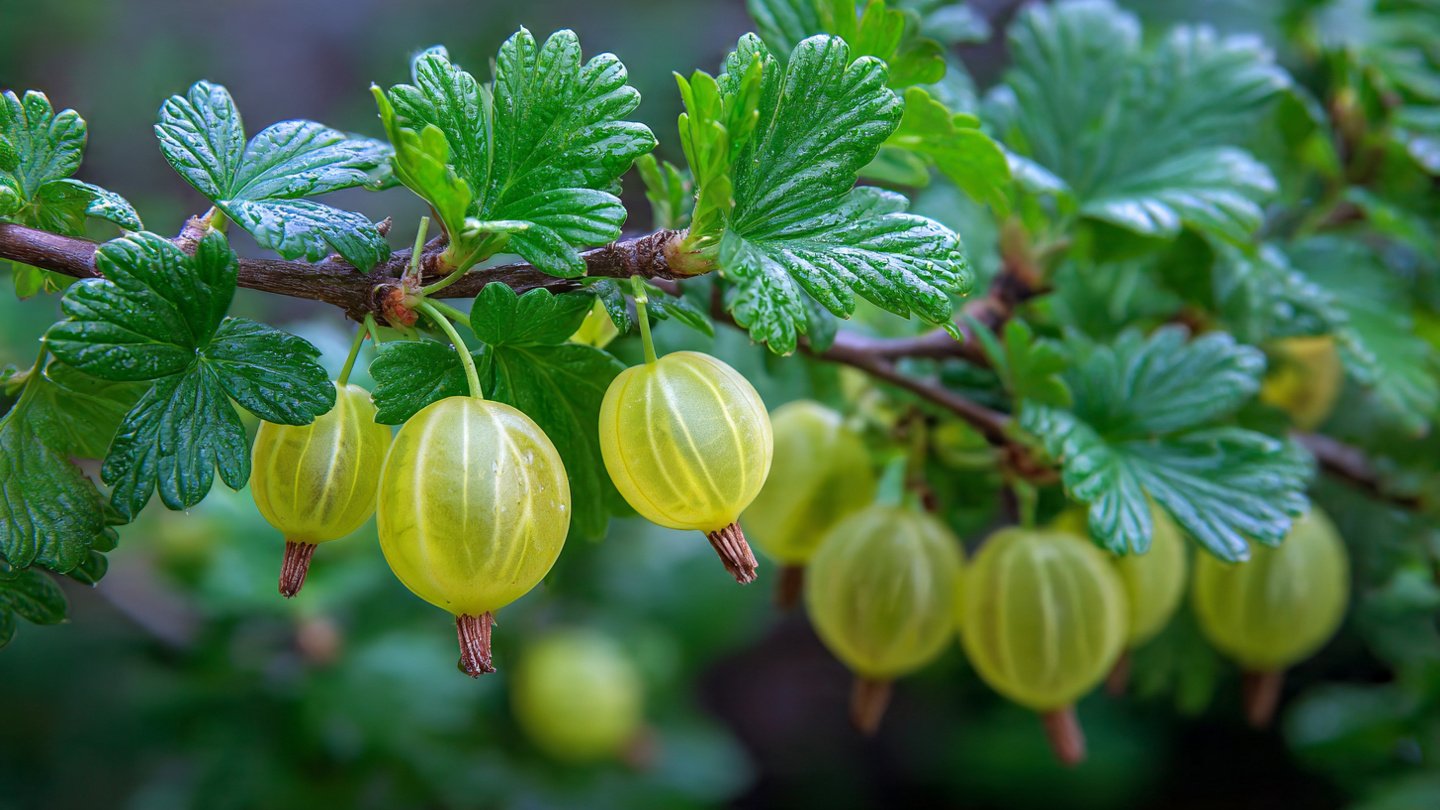
Gooseberries, with their tart flavor and vibrant appearance, are a delightful addition to any garden. These hardy perennials not only bear fruit in various shades of green, red, and even purple, but they also offer numerous health benefits. With some insights and strategic planning, you can cultivate resilient gooseberry varieties that thrive in various climatic conditions. In this article, we will explore the secrets to growing robust gooseberries in your garden while addressing common questions gardeners may have.
1. Understanding Gooseberries
1.1 The Basics of Gooseberries
Gooseberries belong to the Ribes genus and are native to Europe, the Middle East, and North America. The most common varieties grown today are European (Ribes uva-crispa), American (Ribes hirtellum), and Asian (Ribes aureum) gooseberries.
European gooseberries are particularly popular for their large, sweet fruits. American varieties tend to be smaller and tangier, while Asian gooseberries are often used in jellies and preserves due to their rich flavor.
1.2 Nutritional Benefits
Gooseberries are high in vitamin C, antioxidants, and dietary fiber. They support immune health, aid digestion, and offer anti-inflammatory properties, making them a nutritious option for both fresh consumption and culinary uses.
2. Choosing the Right Variety
2.1 Popular Varieties
Selecting the right variety is fundamental to successful cultivation. Here are some resilient gooseberry varieties suited to different climates:
-
Invicta: A popular European variety, known for its resistance to powdery mildew and excellent yield. It produces large, green fruits that are sweet once ripe.
-
Hinnomaki Red: An outstanding variety for colder climates, it is resistant to disease and offers a unique sweet-tart flavor. Its small, red fruits are also quite decorative.
-
Porter’s Pride: This variety is not only resilient but also productive, featuring small green fruits with a sweet taste. It’s known for its adaptability and robust growth.
-
Jelly Bean: A dwarf variety perfect for container gardening, Jelly Bean produces small, sweet fruits rich in flavor and nutrients.
2.2 Local Adaptation
When selecting gooseberry varieties, it is important to consider local climate conditions. Opt for varieties recommended by local agricultural extensions or gardening centers, as they are adapted to your region’s specific temperature ranges and soil types.
3. Preparing Your Garden
3.1 Site Selection
Gooseberries thrive in well-draining soil with a pH level of 6.0 to 6.8. Choose a site that receives full sun or partial shade, as lack of sunlight can lead to poor fruit development.
3.2 Soil Preparation
Before planting, improve the soil by adding organic matter such as compost or well-rotted manure. This amendment increases nutrient availability and promotes healthy root development. Perform a soil test to ensure optimal pH and nutrient levels.
4. Planting Techniques
4.1 Optimal Timing
The best time to plant gooseberries is in the early spring or fall when temperatures are more moderate. Planting during these seasons gives the roots time to establish before the heat of summer or the onset of winter.
4.2 Planting Process
- Spacing: Provide adequate spacing between plants, usually around 4–5 feet, to allow for air circulation and access to sunlight.
- Depth: Dig a hole that is wide and deep enough to accommodate the roots without bending or crowding them. Cover the roots with around 2 inches of soil and water them in well.
5. Care and Maintenance
5.1 Watering
Regular watering is essential, especially during dry spells. Aim for about 1 inch of water per week, ensuring the soil remains moist but not waterlogged. Mulching can help retain soil moisture and reduce weed competition.
5.2 Fertilization
Apply a balanced fertilizer in early spring as new growth starts. Organic fertilizers like bone meal or a well-rounded vegetable fertilizer work best, leading to healthy foliage and fruit production.
5.3 Pruning
Pruning promotes better airflow and healthier plants. Yearly pruning in late winter or early spring helps remove dead or diseased wood, encourages stronger growth, and enhances fruit size.
5.4 Pest and Disease Management
Gooseberries are susceptible to pests like aphids and spider mites, as well as diseases such as powdery mildew. Implementing integrated pest management (IPM) strategies, including crop rotation, companion planting, and beneficial insects, can effectively control these issues.
6. Harvesting Your Gooseberries
6.1 Timing
Gooseberries typically ripen in late spring to early summer, depending on the variety and climate. Harvest them when they are fully colored and slightly soft to the touch.
6.2 Techniques
When harvesting, use gloves to protect your hands; gooseberry plants are thorny. Gently pluck or cut the fruit from the stem, taking care not to damage the fruit.
7. Culinary Uses for Gooseberries
Gooseberries can be enjoyed in various dishes:
- Jams and Jellies: Their tart flavor makes them excellent for preserves.
- Desserts: Use gooseberries in pies, crumbles, or tarts for a refreshing dessert.
- Salads: Fresh gooseberries can add a zesty kick to salads.
- Savory Dishes: Cooked gooseberries can be served alongside meats, adding a unique flavor profile.
FAQs
1. What are the best conditions for growing gooseberries?
Gooseberries thrive in well-draining soil with a pH of 6.0 to 6.8, ample sunlight, and consistent moisture.
2. How can I prevent diseases in my gooseberry plants?
Implementing good air circulation, regular pruning, and using resistant varieties can help prevent diseases. Pesticides may also be necessary in severe cases.
3. Can I grow gooseberries in pots?
Yes, many dwarf varieties can be grown in containers. Ensure the pot has adequate drainage and provide consistent watering and nutrients.
4. How often should I prune my gooseberries?
Prune your gooseberries once a year in late winter or early spring, focusing on removing any dead or diseased wood and encouraging healthier growth.
5. When are gooseberries ready to harvest?
Gooseberries are ready to be harvested when they are fully colored, usually in late spring to early summer, and slightly soft to the touch.
6. Are gooseberries self-pollinating?
Most gooseberry varieties are self-pollinating, so you only need one bush to produce fruit. However, planting multiple varieties can enhance yield.
7. Do gooseberries require a lot of maintenance?
Gooseberries require regular watering, fertilization, pruning, and monitoring for pests and diseases, but with proper care, they can thrive with minimal effort.
Conclusion
Cultivating resilient gooseberry varieties can be a rewarding endeavor that adds a unique flavor to your garden. By following the tips outlined and paying attention to local conditions, you’ll be well on your way to enjoying bountiful harvests for years to come. Happy gardening!