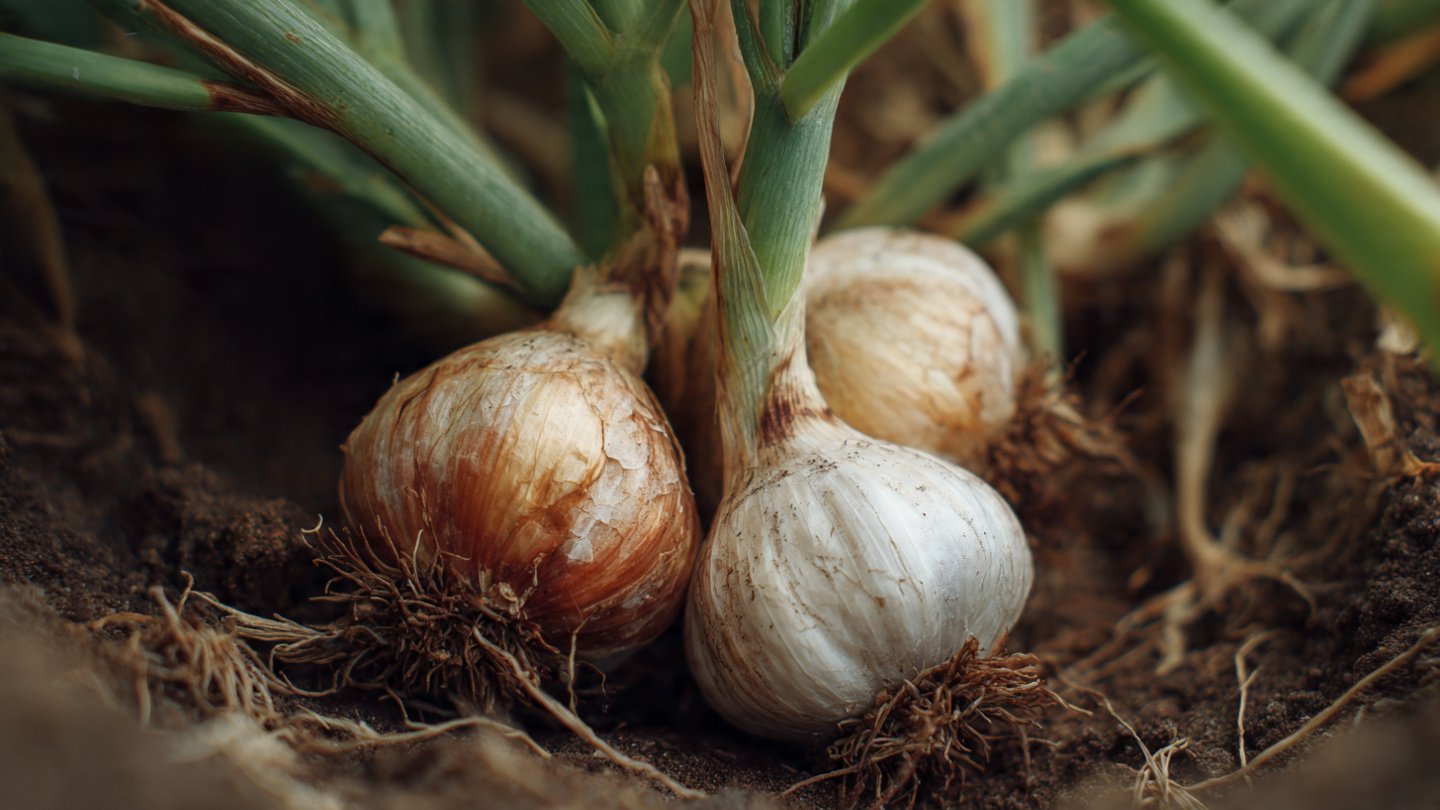
Garlic, a staple in many cuisines around the world, offers more than just flavor; it’s also known for its potential health benefits. Home gardeners often seek efficient methods to grow garlic quickly and successfully. Fortunately, there are several simple techniques you can employ to ensure your garlic bulbs thrive. This article explores the ultimate easy hack to grow garlic faster, breaking it down into actionable steps that guarantee a bountiful harvest.
1. Understanding Garlic Varieties
Before diving into the growing techniques, it’s crucial to understand the two primary types of garlic: hardneck and softneck.
- Hardneck Garlic: Contains a hard central stalk and is typically more flavorful, but it doesn’t store as well. It thrives in colder climates.
- Softneck Garlic: More commonly found in grocery stores, it has a softer texture and longer shelf life. It’s well-suited for warmer climates.
Choosing the right variety for your climate can make a significant difference in growth and yield.
2. Choosing the Right Time to Plant
Garlic is generally planted in the fall (around September to November) or early spring (March to April), depending on your climate zone. However, for faster growth and larger bulbs, planting in the fall is often recommended. This allows the garlic to establish a strong root system before winter, leading to a more robust plant in the spring.
Benefits of Fall Planting
- Root Development: Garlic develops its roots before the cold sets in.
- Stronger Plants: Well-established cloves emerge healthier in spring.
- Longer Growing Season: Fall-planted garlic has more time to grow, leading to higher yields.
3. Soil Preparation
Quality soil is fundamental for growing healthy garlic. Here’s how to prepare it:
Soil Testing
Test your soil’s pH and nutrient levels. Garlic thrives in slightly acidic to neutral pH levels (6.0 to 7.0).
Amending the Soil
Incorporate organic matter such as well-rotted manure, compost, or peat moss. This enrichment improves soil structure, drainage, and nutrient content. Aim for a soil that is light, loamy, and well-draining to prevent rot.
Draining and Aerating
If your soil is heavy clay, consider creating raised beds to improve drainage. Additionally, ensure the planting area is free from any standing water.
4. Planting Techniques
Selecting Cloves
Choose the largest and healthiest cloves from your garlic heads. Larger cloves typically produce larger bulbs. Avoid using supermarket garlic as it may be treated with chemicals that inhibit growth.
Planting Depth and Spacing
Plant cloves about 2 inches deep, with the pointed end facing upwards. Space them approximately 6 inches apart in rows that are 12 inches apart. Adequate spacing allows for airflow and reduces the risk of diseases.
A Secret Hack: Soaking Garlic Cloves
To promote faster germination, soak the garlic cloves in a solution of water and a splash of hydrogen peroxide (about 3%) for 30 minutes before planting. This helps to disinfest any potential pathogens and stimulates growth.
5. Fertilization
Pre-Planting Fertilizer
Incorporate a balanced fertilizer (such as 10-10-10) into the soil before planting. This will give the garlic a nutrient boost to begin its growth cycle.
Top Dressing
As the garlic begins to sprout in spring, use a nitrogen-rich fertilizer, like blood meal or fish emulsion, as a top dressing. Apply it lightly and water it in to prevent burning the roots.
Timing of Fertilization
Fertilize again about four weeks after planting and then once more in mid-spring. Too much fertilizer can lead to lush foliage and smaller bulbs, so monitor the growth carefully.
6. Watering Techniques
Garlic needs consistent moisture, especially during the first few weeks after planting. However, overwatering can lead to rot. Here are some tips:
Watering Schedule
- Fall Watering: Water well after planting to settle the soil.
- Spring Watering: Once the garlic begins to grow, maintain a consistent moisture level. Water about once a week, especially during dry spells.
Mulching
Apply a layer of organic mulch such as straw or shredded leaves. This helps retain moisture, suppress weeds, and regulate soil temperature.
7. Pest and Disease Management
Garlic is relatively disease-resistant, but issues can arise.
Common Pests
- Garlic Bulb Mites: These tiny pests can damage bulbs. Use neem oil for treatment.
- Onion Maggots: Apply beneficial nematodes to combat this pest.
Diseases
Watch for signs of fungal diseases like white rot or downy mildew. If they occur, remove affected plants and improve air circulation around your garlic.
Regular Monitoring
Regularly inspect your garlic plants for any signs of distress or pest infestations. Early detection is key to maintaining healthy plants.
8. Harvesting Garlic
Timing is crucial when it comes to harvesting garlic.
When to Harvest
You can typically harvest garlic when the lower leaves begin to yellow and dry out. This usually occurs in mid to late summer, depending on the planting time and climate.
Harvesting Techniques
Use a garden fork to gently loosen the soil around the bulbs. Pull them out carefully to avoid bruising. Shake off excess soil and avoid washing the bulbs until ready to use, as moisture can lead to rot during storage.
9. Curing and Storing Garlic
Proper curing and storage are essential for maximizing the shelf life of your garlic.
Curing Process
Hang garlic in a warm, dry, and well-ventilated area to cure for about 2–3 weeks.
Storage Options
Once cured, store garlic in a cool, dark place with good air circulation. Use mesh bags or baskets to prevent moisture buildup. Properly stored garlic can last for several months.
FAQs
1. Can I grow garlic in containers?
Yes, garlic can be grown in containers as long as they are deep enough (at least 8 inches) and have good drainage. Use high-quality potting soil and ensure regular watering.
2. How do I know when my garlic is ready to harvest?
Garlic is ready to harvest when the lower leaves turn yellow and start to die. Leaving the bulbs in the ground too long can lead to splitting and spoilage.
3. Is it necessary to soak garlic cloves before planting?
While not strictly necessary, soaking garlic cloves in water and hydrogen peroxide can help in germination and infection prevention, promoting faster growth.
4. What pests should I watch for when growing garlic?
Common pests include garlic bulb mites and onion maggots. Monitor your plants regularly to catch any infestations early.
5. How much sunlight does garlic need?
Garlic thrives in full sunlight, requiring at least 6-8 hours of direct sunlight per day for optimal growth.
6. Can I plant garlic in the spring?
Yes, garlic can be planted in the spring, but fall planting usually yields better results in terms of size and health.
7. What type of fertilizer is best for garlic?
A balanced fertilizer is best before planting. In spring, a nitrogen-rich fertilizer is beneficial for promoting growth.
Conclusion
Growing garlic can be immensely rewarding, both in the kitchen and for your health. By using these simple techniques and hacks, you can accelerate the growth process and ensure that your garlic bulbs reach their full potential. Whether you’re a novice or an experienced gardener, implementing these strategies will lead you towards a thriving garlic harvest that you can enjoy all year long. Start preparing your garlic garden now, and watch as your culinary adventures flourish with homegrown flavor!