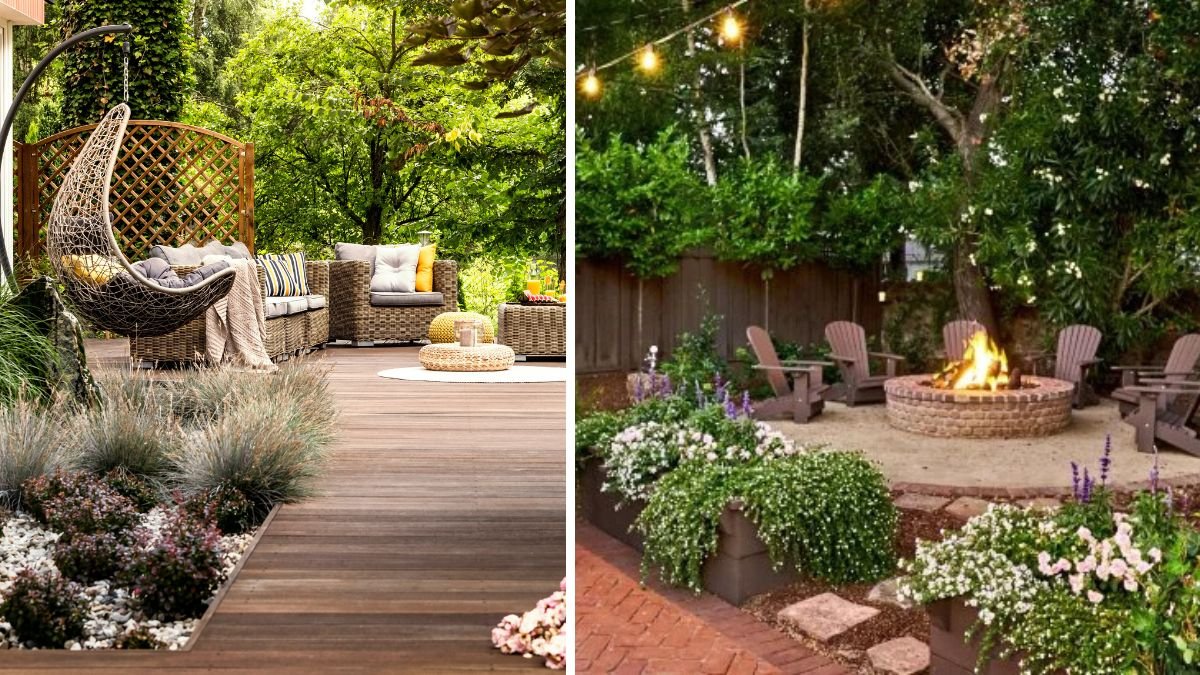
Transforming your backyard into a resort-style home garden is not just a dream reserved for tropical islands or high-end vacation spots; it is an endeavor you can achieve right in your own backyard. A well-designed garden can be an oasis of relaxation, providing you with a personal retreat to unwind, entertain guests, and enjoy natural beauty. In this ultimate guide, we will explore the key elements to consider when designing your dream resort-style garden, from choosing the right plants to incorporating water features, lighting, and comfortable seating.
1. Define Your Vision
What is a Resort Style Garden?
A resort-style garden evokes feelings of luxury, relaxation, and natural beauty. It often includes lush greenery, vibrant flowers, and carefully curated spaces for lounging and dining. To start your project, envision what this garden means to you. Consider the following:
- Theme: Tropical, Mediterranean, modern, or rustic?
- Purpose: Is it primarily for relaxation, entertaining, outdoor dining, or a children’s play area?
- Design Style: Do you prefer structured layouts or more organic, flowing spaces?
Create a Mood Board
Gather images that inspire you, whether they come from design magazines, Pinterest boards, or other gardens you admire. This mood board will serve as a blueprint for your vision, helping you make cohesive decisions throughout the design process.
2. Space Planning
Assess Your Space
The first physical step in creating your garden is assessing your outdoor area. Take note of:
- Dimensions: Measure the length and width of your garden space.
- Sunlight: Observe how much sun different areas receive throughout the day.
- Soil Quality: Test the soil in various spots to determine its pH and texture.
- Existing Features: Identify any trees, pathways, or structures that will influence your design.
Zoning Your Garden
Zoning is essential for functional layout. Divide your garden into distinct areas such as:
- Lounge Zone: A space for relaxation with comfortable furniture, shade, and privacy.
- Dining Zone: An outdoor dining area, preferably close to your kitchen for convenience.
- Play Zone: If you have kids, dedicate an area to their play equipment.
- Garden Zone: A section for planting flowers, herbs, and vegetables.
Draw a schematic layout based on these zones. Consider accessibility, flow, and how you’ll move between them.
3. Choosing Plants
Selecting the Right Flora
The plant choices will significantly influence the vibe of your garden. Here are some categories to consider:
- Tropical Plants: Palms, hibiscus, and bougainvillea create a lush, exotic feel.
- Mediterranean Plants: Think rosemary, lavender, and olive trees for a more sun-kissed landscape.
- Native Plants: Opting for locally adapted species can ensure beauty throughout the seasons with less maintenance.
Consider Height, Texture, and Color
Create visual interest by layering plants of different heights. Use:
- Tall Plants: Palms or decorative grasses as focal points.
- Medium Plants: Shrubs and perennials to fill in space.
- Ground Cover: Low-growing plants such as creeping thyme or moss to add texture.
Seasonal Interest
Aim for plants that flower in different seasons. This way, your garden is vibrant and appealing year-round. Consider including evergreens for structure during winter months.
4. Water Features
Incorporate a Water Element
Water features can enhance the overall relaxation vibe of your garden. Consider these options:
- Fountains: Wall-mounted or freestanding fountains add both visual and auditory appeal.
- Ponds: A small pond can be a striking focal point, attracting wildlife and offering a tranquil sitting area.
- Waterfalls: If you have a sloped garden, a waterfall cascading into a pond creates a beautiful soundscape.
Ensure the water feature fits into your overall design and complements your chosen plants.
5. Outdoor Furniture
Comfort is Key
Choose furniture that encourages relaxation and social interaction:
- Lounge Chairs: Comfortable sun loungers or hammocks for chilling during warm days.
- Dining Sets: A weatherproof table and chairs for alfresco dining.
- Fire Pits: If you want a cozy evening ambiance, consider adding a fire pit surrounded by seating.
Materials and Colors
Pick materials that can withstand the elements, such as teak, eucalyptus, or aluminum. When it comes to colors, follow the palette established in your mood board to create harmony in your design.
6. Lighting
Lighting for Ambiance
Lighting is crucial for extending the usability of your garden into the evening hours. Consider:
- String Lights: Suspend them across trees or fencing for a whimsical atmosphere.
- Pathway Lights: Illuminate walkways to enhance safety and guide guests through the garden.
- Spotlights: Highlight architectural or plant features, creating drama and interest.
Select warmer light tones to foster a relaxed mood, akin to that of a resort.
7. Hardscaping
Introduce Pathways and Patios
Hardscaping connects different areas of your garden. Consider:
- Walkways: Utilize natural stone, pavers, or gravel to guide guests through the space.
- Patios: Create a designated space for dining or lounge furniture using materials like stone or concrete.
Retaining Walls
If your garden is on a slope, consider adding retaining walls. They can help manage soil erosion and create multi-level areas for planting or seating.
8. Sustainable Practices
Eco-Friendly Choices
Incorporating sustainable practices not only benefits the environment but can also enhance the beauty of your garden. Consider:
- Rainwater Harvesting: Install a rain barrel to collect water for irrigation.
- Native Plantings: Choose native plants that require less water and are more resilient against pests.
- Composting: Create compost bins for kitchen and garden waste to produce nutrient-rich soil.
9. Personal Touches
Add Unique Features
Personalizing your garden goes a long way in making it feel like a true oasis. Consider:
- Art Installations: Sculptures or wind chimes add a distinctive flair.
- Birdhouses and Feeders: Attract local wildlife and enhance biodiversity.
- Outdoor Rugs: Introduce color and texture to lounge areas.
10. Maintenance Considerations
Long-Term Care
Finally, consider how much time you can commit to garden maintenance. A resort-style garden can require more attention than a simple yard, so plan accordingly:
- Irrigation Systems: Install drip or sprinkler systems to ease watering.
- Mulching: Apply mulch to reduce the need for weeding and conserve soil moisture.
- Regular Checks: Adopt a maintenance schedule to keep your plants healthy and vibrant.
FAQs
Q1: How long does it take to design a resort-style garden?
A1: The time required can vary based on the project’s complexity. A simple design might take a few weeks, while more extensive projects can take months, especially if they involve structural changes or landscaping.
Q2: What is the average cost of creating a resort-style home garden?
A2: Costs can differ widely based on materials, plants, and features. For basic landscaping, you might expect to spend a few thousand dollars, but adding high-end features such as water elements or premium furnishings can increase the budget significantly.
Q3: Can I design my resort-style garden on my own, or should I hire a professional?
A3: You can absolutely design it yourself, especially if you’re handy and your space isn’t overly complicated. Hiring a landscape designer can help if you want a perfectly curated look or are working with complicated terrains.
Q4: What are the best plants for a tropical-themed garden?
A4: Great options include orchids, hibiscus, banana plants, and various palms. These plants thrive in warmer climates and can create that lush, tropical atmosphere.
Q5: How often will I need to maintain my resort-style garden?
A5: Maintenance frequency will depend on the plants used and the features incorporated. Generally, weeding and watering should be done weekly, while more comprehensive checks are needed seasonally.
Embarking on the journey to create your resort-style home garden is an exciting and rewarding endeavor. By considering your vision, carefully planning your space, and integrating beautiful plants and features, you will be well on your way to turning your backyard into a personal paradise. Enjoy the process, and let your creativity flow as you build your dream garden!