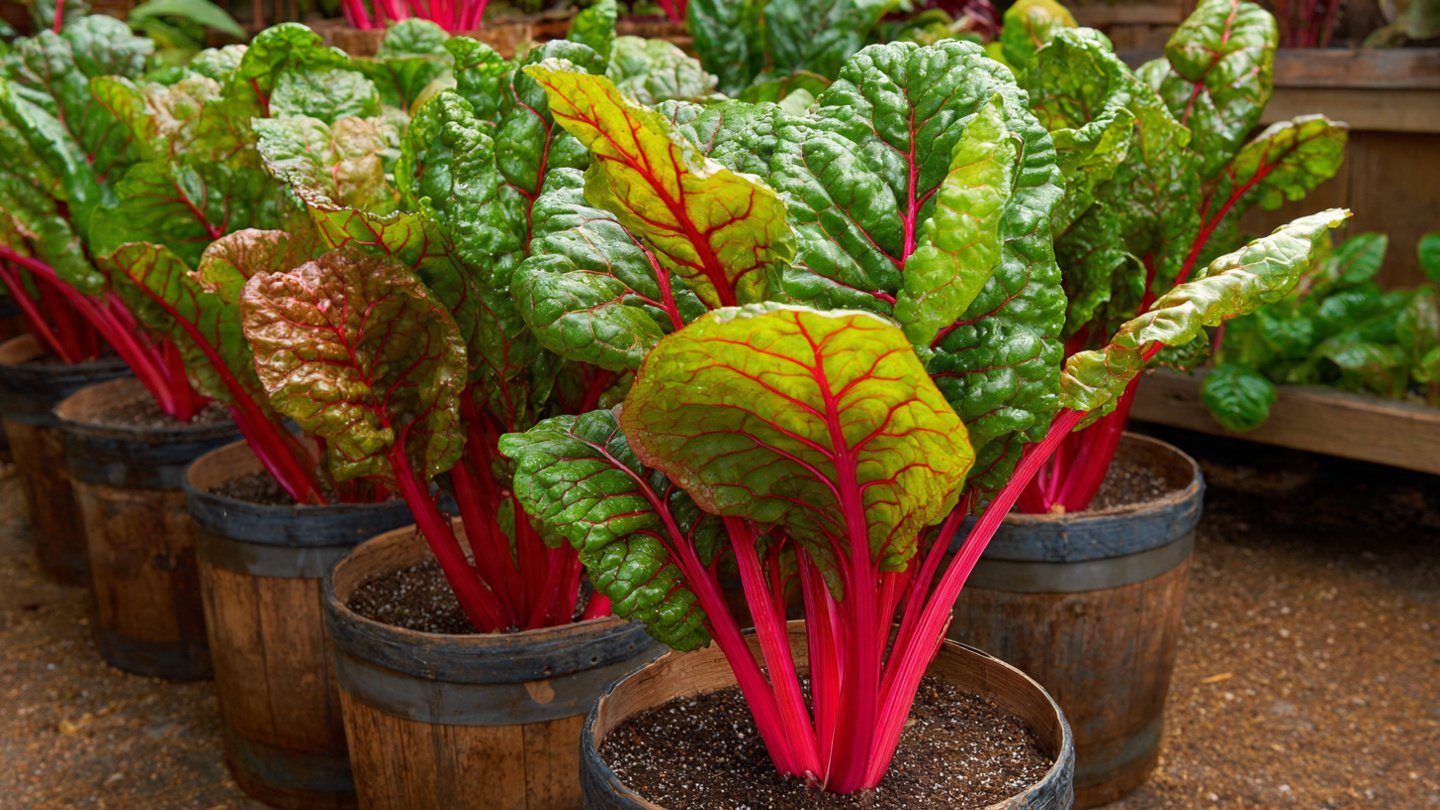
Chard, known for its vibrant colors and nutritional benefits, is a popular leafy green that can bring both beauty and health to your home garden. Whether you have a sprawling backyard or a cozy balcony, growing chard in pots allows you to enjoy a fresh supply of this nutrient-rich vegetable throughout the growing season. In this comprehensive guide, we’ll explore everything you need to know about cultivating chard in pots to maximize your harvest potential.
Why Choose Chard?
Before diving into the step-by-step process of growing chard in pots, it’s important to understand why this vegetable is so loved:
- Nutritional Value: Chard is packed with vitamins A, C, and K, as well as minerals like magnesium and potassium.
- Versatile Use: It can be used in salads, sautéed, or added to soups and stews.
- Aesthetic Appeal: With its bold, colorful stems and broad green leaves, chard can be a striking addition to any garden.
Choosing the Right Pots
When it comes to growing chard in pots, the choice of pot is crucial for ensuring healthy growth and maximizing yield.
1. Size of the Pot
Choose pots that are at least 12 inches in diameter and 10-12 inches deep. This provides enough space for chard’s root system to grow adequately.
2. Material
Opt for pots made of breathable materials such as ceramic or fabric. These allow for better drainage and air circulation, which are essential for healthy roots.
3. Drainage
Ensure pots have drainage holes to prevent waterlogging, which can lead to root rot. If a pot lacks holes, you can add gravel or pebbles at the bottom to facilitate drainage.
Soil Requirements
The foundation of your chard growth starts with the right soil. Here’s what you need:
1. Type of Soil
A well-draining potting mix is ideal for growing chard. Look for a blend that contains organic matter such as compost for nutrient enrichment.
2. pH Level
Chard thrives in slightly acidic to neutral soil with a pH between 6.0 and 7.0. You can test the pH using a soil test kit, readily available at garden centers.
3. Nutritional Additives
Incorporate a balanced fertilizer or organic compost into the potting mix. This ensures your chard receives the nutrients necessary for robust growth.
Planting Chard
Once you have your pots and soil ready, it’s time to plant chard seeds or seedlings.
1. Timing
Chard can be sown directly into pots in early spring or late summer. It prefers cooler temperatures, making fall planting ideal in many regions.
2. Spacing Seeds
If planting seeds, sow them about 1 inch apart and cover them with ¼ inch of soil. For seedlings, space them at least 6 inches apart to allow for adequate leaf spread.
3. Watering
After planting, water the pots thoroughly to keep the soil moist but not saturated. Consistency is key; check moisture levels frequently, especially during hot weather.
Caring for Your Chard
To achieve maximum harvest potential, regular care and attention are vital.
1. Watering
Chard needs consistent moisture but be cautious not to overwater. A good rule of thumb is to water deeply once the top inch of soil feels dry.
2. Light Requirements
Place your pots in a location that receives at least 6 hours of direct sunlight daily. If you live in a hotter climate, a little afternoon shade can help prevent leaf scorching.
3. Fertilization
Feed your chard every 4-6 weeks with a balanced, water-soluble fertilizer. This encourages lush growth and a greater yield.
4. Pest and Disease Management
Watch out for common pests such as aphids and leaf miners. You can easily manage them with organic insecticidal soap or neem oil. Maintain air circulation and avoid overhead watering to reduce the chance of fungal diseases.
Harvesting Chard
Harvesting is one of the most rewarding aspects of growing chard. Here are some tips:
1. Timing
You can start harvesting leaves when they’re about 6-8 inches tall. This usually occurs 4-6 weeks after planting.
2. How to Harvest
Use garden scissors or shears to cut the outer leaves near the base, leaving the inner leaves to continue growing. This method promotes continued growth and multiple harvests throughout the season.
3. Storage
Freshly harvested chard can be stored in the refrigerator for up to a week. For longer storage, consider blanching and freezing the leaves.
Maximizing Your Harvest
To maximize your chard yield, consider these strategies:
1. Succession Planting
To ensure a continuous supply of chard, practice succession planting by sowing seeds every couple of weeks.
2. Companion Planting
Chard grows well alongside crops like carrots, onions, and cabbage. This can promote healthier growth and deter pests.
3. Crop Rotation
If you plan to grow chard year after year, practice crop rotation by planting in different pots or locations each season.
Troubleshooting Common Problems
Even with the best care, you might encounter issues. Here are solutions for common chard problems:
1. Yellowing Leaves
This could indicate nutrient deficiency or overwatering. Adjust your watering schedule and consider adding fertilizer.
2. Slow Growth
Ensure your pots are receiving enough sunlight. If not, relocate them to a sunnier spot.
3. Bolting
In warm weather, chard may bolt (go to seed). If this happens, it’s best to remove the plant and start fresh.
Conclusion
Growing chard in pots is a fulfilling endeavor that not only beautifies your space but also provides nutritious greens for your meals. With the right pots, soil, light, and care, you can maximize your harvest potential and enjoy a bountiful supply of chard throughout the growing season. Happy gardening!
FAQs
1. Can I grow chard indoors?
Yes! As long as you provide adequate sunlight—ideally 6 hours a day—and maintain appropriate watering.
2. How often should I water my potted chard?
Water the chard when the top inch of soil feels dry. Generally, potted plants require more frequent watering than those in the ground.
3. What temperature does chard prefer?
Chard prefers cooler weather, ideally in the range of 60-70°F (15-21°C). It can survive light frosts but may bolt as temperatures rise.
4. How long does it take for chard to grow?
Chard typically matures within 50-60 days from seed, but you can begin harvesting individual leaves as early as 4-6 weeks after planting.
5. Can I save seeds from my chard?
Yes! Allow a few plants to bolt and go to seed. Once the seeds dry, you can collect and store them for future planting.
6. What are the best companion plants for chard?
Chard does well when planted with carrots, onions, and cabbage. Avoid planting it near beets or spinach, as these can compete for nutrients.
7. How do I prevent pests on my chard?
Regularly inspect your plants, maintain air circulation, and use organic pest deterrents like neem oil or insecticidal soap as needed.
With this guide in hand, you are well-equipped to grow stunning chard in pots and enjoy its multitude of benefits. Happy planting!