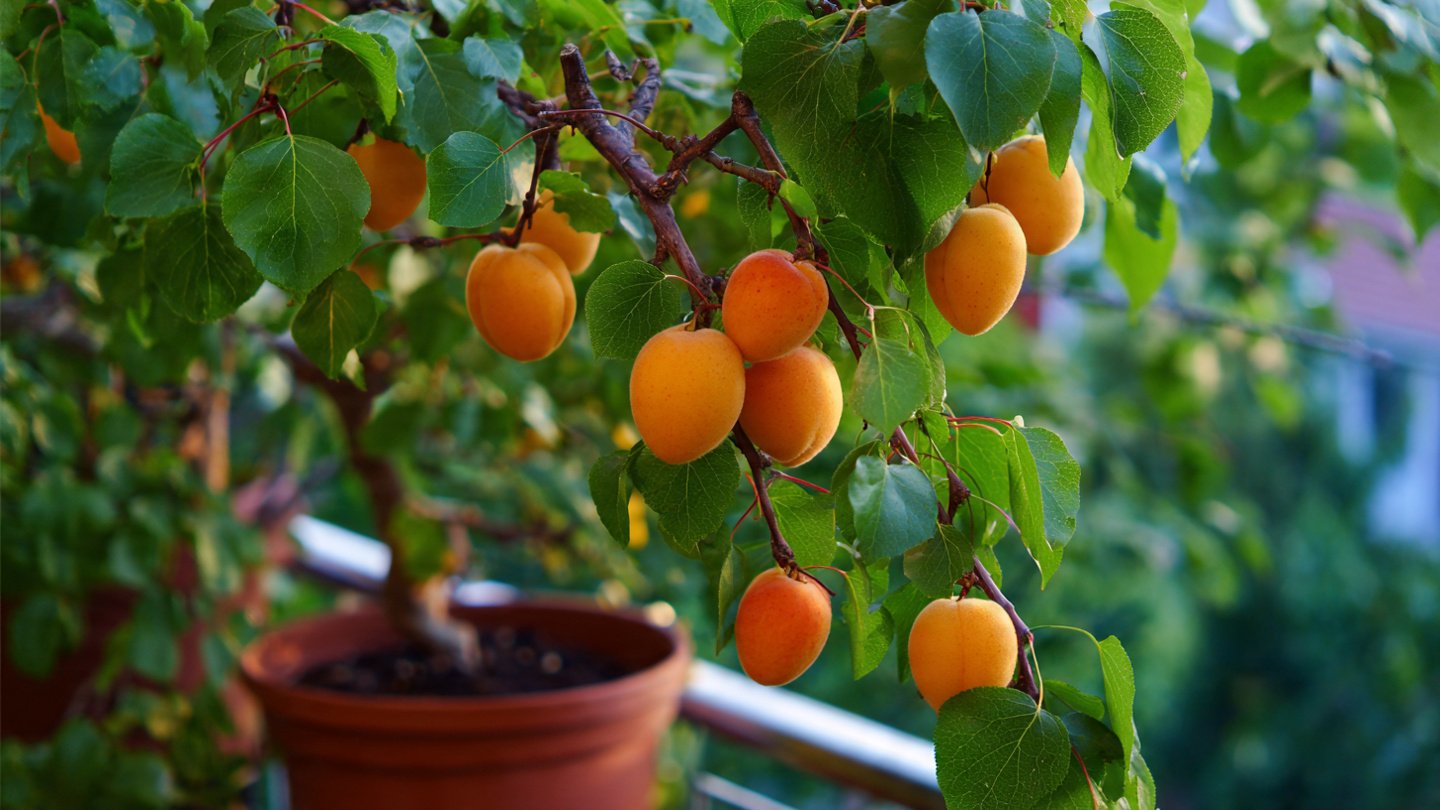
Growing apricots is an enriching experience that combines the joy of gardening with the satisfaction of harvesting your own fruits. Even if you live in an apartment with a balcony, you can cultivate these delightful stone fruits and enjoy their sweet, tangy flavor. This article explores everything you need to know about growing apricots, including care tips, ideal growing conditions, and troubleshooting common issues.
1. Why Grow Apricots?
Nutritional Benefits
Apricots are packed with nutrients. They are low in calories but high in vitamin A, vitamin C, and dietary fiber. Consuming apricots can contribute to better digestion, skin health, and immune support.
Culinary Versatility
Apricots can be enjoyed fresh, dried, or used in a variety of dishes. From jams and jellies to salads and desserts, the possibilities are endless. Their sweet flavor pairs well with both savory and sweet ingredients, making them a versatile addition to your culinary repertoire.
2. Choosing the Right Apricot Variety
When selecting apricot varieties for your balcony garden, consider the following:
2.1 Dwarf Varieties
For limited spaces, dwarf apricot trees are ideal. They usually grow between 3 to 4 feet and are well-suited for container gardening. Popular dwarf varieties include:
- Garden Prince: Known for its robust flavor and hardiness.
- Moonglow: A self-pollinating variety with sweet fruits.
2.2 Pollination
Most apricot trees require cross-pollination to produce fruit. Planting two different varieties can increase your yield; however, some dwarf varieties are self-pollinating and can produce fruit on their own.
3. Preparing Your Balcony for Apricot Growth
3.1 Container Selection
Choose a large, sturdy container for your apricot tree. A container that is at least 18 to 24 inches in diameter will provide adequate space for roots. Ensure it has drainage holes to prevent waterlogging.
3.2 Soil Composition
A well-draining potting mix is essential. A mixture of potting soil with perlite or sand will allow for proper drainage and aeration. The soil pH should be slightly acidic to neutral (between 6.0 and 7.0).
3.3 Location
Apricots thrive in full sunlight. Select a spot on your balcony that receives at least six hours of direct sunlight daily. A south-facing balcony is often the most effective choice.
4. Planting Your Apricot Tree
4.1 Timing
The best time to plant apricot trees is in the spring, after the last frost. This allows the tree ample time to establish roots before the heat of summer.
4.2 Planting Steps
- Fill your container: Add the prepared potting mix, leaving enough space at the top for watering.
- Plant the tree: Dig a hole large enough for the root ball, gently place the tree in, and cover its roots with soil.
- Water generously: Right after planting, give your tree a good soak to help it settle into its new home.
5. Watering and Nutrient Needs
5.1 Watering
Apricot trees prefer slightly dry conditions. Water them deeply but infrequently, allowing the top inch of soil to dry out between waterings. During hotter months, you may need to water more frequently.
5.2 Fertilization
Start with a balanced fertilizer in early spring when new growth begins. Organic options like compost or well-rotted manure can also provide vital nutrients. Be careful not to over-fertilize, as this can lead to excessive foliage growth at the expense of fruit production.
6. Caring for Your Apricot Tree
6.1 Pruning
Pruning is essential for shaping your tree and ensuring healthy growth.
- When to prune: Perform major pruning in late winter or early spring before new growth starts.
- How to prune: Aim to remove dead or crossing branches and thin out to allow sunlight into the center of the tree.
6.2 Pest and Disease Management
Apricot trees can be susceptible to various pests, including aphids and spider mites. Regularly inspect your tree and use natural pest control methods if needed. Common diseases include:
- Brown rot: Often caused by wet conditions; ensure proper airflow and avoid overhead watering.
- Leaf curl: A fungal condition that can be mitigated by ensuring good air circulation and proper pruning.
7. Harvesting Your Apricots
7.1 When to Harvest
You’ve nurtured your apricot tree, and now it’s time for the reward! Apricots are typically ready for harvest in late summer to early fall, depending on the variety.
7.2 How to Harvest
Gently twist the fruit to remove it from the branch. They should come off easily when ripe. If you have to pull too hard, they may not be ready yet.
8. Troubleshooting Common Issues
8.1 Poor Growth
If your apricot tree is growing slowly or not at all, check for the following:
- Insufficient sunlight
- Over or under-watering
- Nutrient deficiency
8.2 Fruit Drop
If your tree drops fruit prematurely, it could be due to stress from temperature fluctuations, lack of water, or insufficient pollination. Ensure your tree is well cared for and properly pollinated.
9. The Joy of a Homegrown Apricot Harvest
After all the hard work, enjoying your homegrown apricots is incredibly rewarding. Whether you eat them fresh, bake them into pies, or preserve them as jams, nothing compares to the taste of fruit you’ve nurtured from a small seedling.
Sharing the Harvest
Consider sharing your bounty with friends and family. Homegrown fruits are often appreciated gifts, and sharing can spread the joy of gardening.
FAQs
1. Can apricot trees grow indoors?
While apricot trees can be grown indoors, they require a lot of sunlight and proper care. Consider placing them near a south-facing window.
2. How long does it take for an apricot tree to bear fruit?
Most apricot trees take about 3 to 4 years to start producing fruit.
3. Are apricot trees self-pollinating?
Some dwarf varieties are self-pollinating, meaning they’ll produce fruit without needing another tree for cross-pollination. However, having more than one tree can increase yields.
4. What should I do if my apricots are not ripening?
Ensure your tree is getting enough sunlight and water. Additionally, consider the temperature and the tree’s age; younger trees may take longer to produce fruit.
5. Can I use regular garden soil for growing apricots in pots?
It’s best to use a high-quality potting mix designed for containers. Regular garden soil can compact in pots, leading to poor drainage.
6. How can I protect my apricot tree from pests?
Regularly inspect your tree for signs of pests. Introduce beneficial insects like ladybugs or use organic insecticidal soap if an infestation occurs.
7. What are the signs of overwatering?
Signs of overwatering include yellowing leaves, wilting, and a mushy root ball. Always allow the top inch of soil to dry out before watering again.
Conclusion
Growing apricots on your balcony is a fulfilling venture that offers both aesthetic appeal and delicious rewards. With the right care, you can enjoy a bountiful harvest of sweet, juicy apricots, enhancing your culinary experiences and your enjoyment of nature. Happy gardening!