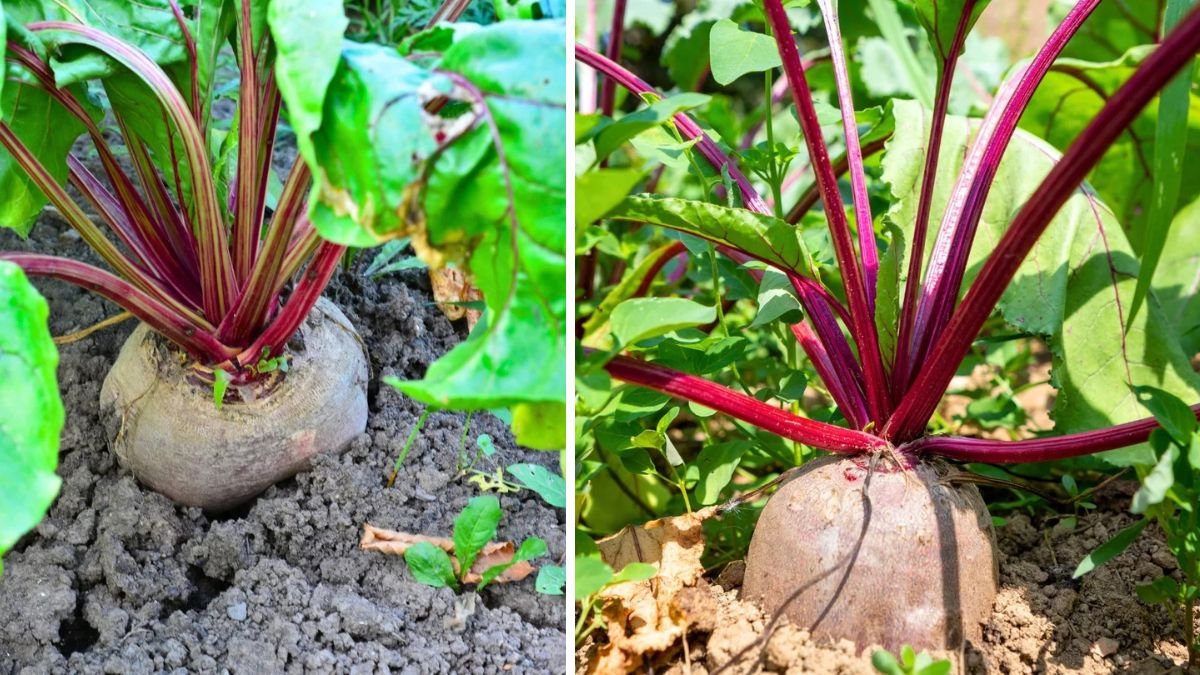
Growing beet greens indoors has become increasingly popular among urban gardeners and health enthusiasts alike. Not only are beet greens delicious and nutritious, but they are also surprisingly easy to cultivate year-round. This article delves into the simple techniques for growing beet greens indoors, ensuring a sustainable source of fresh produce at home, irrespective of the season.
Understanding Beet Greens
Beet greens are the leafy greens of the beetroot plant. Rich in vitamins A, C, and K, iron, calcium, and antioxidants, they are a powerhouse of nutrition. The leaves can be used in various dishes, such as salads, smoothies, soups, and stir-fries.
Benefits of Growing Beet Greens Indoors
- Nutritional Value: Beet greens are nutrient-dense, packed with vitamins and minerals essential for a balanced diet.
- Space Efficiency: Growing indoors saves space and makes it feasible for those with limited outdoor gardening opportunities, such as apartment dwellers.
- Year-Round Availability: With the right techniques, you can enjoy fresh beet greens regardless of the external climate, ensuring you have fresh produce when you need it.
- Cost-Effective: Growing your own greens can significantly reduce grocery bills and ensure you have organic produce at home.
- Environmental Impact: Indoor gardening reduces carbon footprints associated with transporting food products.
Choosing the Right Varieties
When it comes to growing beet greens indoors, it’s essential to select the right varieties. Look for:
- Beta vulgaris subsp. vulgaris (Table Beets): These varieties are often bred for their leaves. Some good options include ‘Early Wonder’ and ‘Detroit Dark Red,’ both of which yield tender greens.
- Swiss Chard (Beta vulgaris var. cicla): While technically not a beets plant, Swiss chard is often grouped with beet greens due to their similar taste and growing conditions.
Essential Supplies
Before you begin your indoor beet greens garden, gather the following supplies:
- Containers: Choose pots with a depth of at least 6-8 inches. You can use traditional pots, hanging baskets, or even recycled containers.
- Soil: A high-quality potting mix is essential. Look for soil that drains well but retains moisture.
- Seeds: Purchase fresh beet green seeds or pre-grown seedlings from a reputable source.
- Watering Can: A small watering can with a narrow spout will help you control the amount of water.
- Light Source: If natural sunlight is limited in your space, consider using grow lights to ensure your plants receive adequate light.
Step-by-Step Guide to Growing Beet Greens Indoors
1. Preparing the Containers
Begin by ensuring your containers have drainage holes to prevent waterlogging. Fill the containers with potting soil, leaving some space at the top. You want the soil to be moist but not saturated.
2. Sowing Seeds
Space the seeds about 1-2 inches apart, and cover them lightly with soil (about half an inch). If you’re using seedlings, make a small hole in the soil and transplant the seedlings, ensuring that the roots are properly covered.
3. Watering
After planting, gently water the seeds to settle the soil around them. Ensure the soil remains consistently moist but not soggy. Over-watering is a common mistake that can lead to root rot.
4. Providing Light
Beet greens require at least 6-8 hours of sunlight daily. If your indoor space lacks sufficient natural light, investing in grow lights is essential. Position the lights about 6-12 inches above the plants, adjusting as they grow.
5. Temperature and Humidity
Ideal temperatures for growing beet greens range from 55°F to 75°F (13°C to 24°C). They do well in normal household humidity, but using a humidity tray can be beneficial if your indoor environment is particularly dry.
6. Fertilization
Beet greens benefit from regular feeding. Use a balanced, water-soluble fertilizer every 4-6 weeks, diluting it to half strength. This will encourage robust growth and enhance nutrient content.
7. Thinning
As the seedlings grow, thin them out to avoid overcrowding. You should aim to have one plant every 4-6 inches. Thinning helps to promote air circulation and reduces the risk of disease.
8. Harvesting
Beet greens are ready for harvest when they are about 4-6 inches tall. Use scissors or garden shears to cut the outer leaves, allowing the inner leaves to continue growing. Always leave some leaves on the plant to ensure it can continue photosynthesis and growth.
9. Continuous Harvesting
To ensure a continuous supply of beet greens, stagger your planting. Sow new seeds every 2-3 weeks to have a steady supply for your kitchen.
Troubleshooting Common Issues
-
Pests: Indoor plants can attract aphids or spider mites. If you notice pests, use insecticidal soap or neem oil to treat them.
-
Diseases: Fungal diseases like downy mildew can occur if there’s insufficient air circulation. Ensure proper spacing and avoid overwatering.
-
Lack of Growth: If your plants are not thriving, it may be due to insufficient light or nutrients. Check your light source and feeding schedule.
-
Yellowing Leaves: Yellow leaves are often a sign of nutrient deficiency or overwatering. Adjust your fertilization schedule and soil moisture accordingly.
Benefits of Using Beet Greens in Your Diet
Incorporating beet greens into your meals provides numerous health benefits:
- Rich in Nutrients: These greens are high in vitamins A and K, important for eye health and blood clotting.
- High in Antioxidants: They contain powerful antioxidants that help combat oxidative stress in the body.
- Support Heart Health: Beet greens are known to aid in lowering blood pressure and supporting cardiovascular health.
Incorporating Beet Greens into Your Meals
The versatility of beet greens allows them to be used in numerous recipes:
- Salads: Fresh beet greens can be added to salads for a nutritious boost. Pair with nuts, seeds, and a light vinaigrette.
- Smoothies: Blend beet greens with fruits like bananas and berries for a nutrient-packed smoothie.
- Sautéed Dishes: Sauté beet greens with garlic and olive oil as a side dish or as a topping for grains.
- Soups: Add chopped beet greens to soups or stews for an extra layer of flavor and nutrition.
FAQs About Growing Beet Greens Indoors
1. Can I grow beet greens in a small space?
Yes! Beet greens can be grown in small containers and are perfect for limited spaces like balconies or windowsills.
2. Do beet greens require special lighting?
While they thrive in natural light, grow lights can be beneficial if natural light is insufficient. Aim for 6-8 hours of light daily.
3. How often should I water beet greens?
Water the plants when the top inch of soil feels dry. They prefer consistently moist soil but avoid overwatering.
4. Can I grow beet greens from store-bought beets?
Yes! You can use beet tops from store-bought beets to regrow fresh greens. Place the tops in water until they root and then pot them.
5. When can I start harvesting beet greens?
You can start harvesting when the leaves are about 4-6 inches tall. Always leave some leaves behind to allow the plant to continue growing.
6. How often should I fertilize beet greens?
Fertilize beet greens every 4-6 weeks with a balanced, water-soluble fertilizer, using half the recommended strength for optimal growth.
With these simple techniques and tips, you can cultivate beet greens indoors all year round, providing a fresh, nutritious addition to your meals while indulging in the joys of gardening. Enjoy the experience and the bounty of your indoor garden!