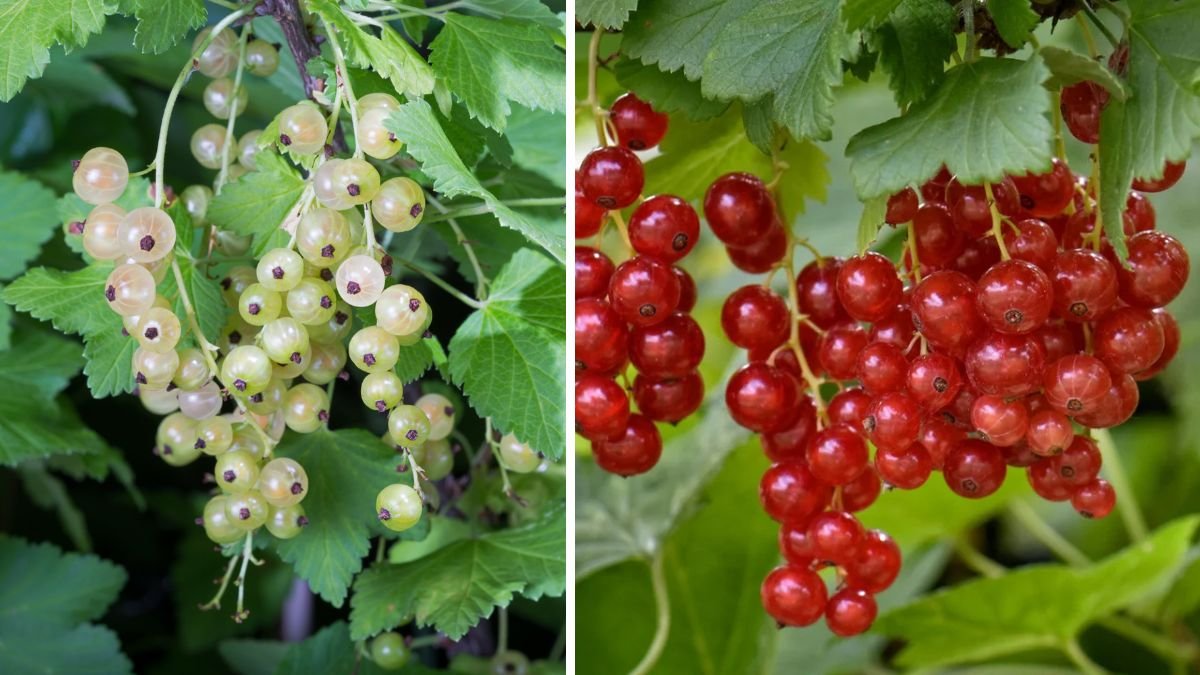
Currants are small, tart berries belonging to the genus Ribes and are popular for their versatility in the kitchen. From jellies and jams to fresh eating, they pack a punch of flavor and nutrients. For many gardeners, particularly in regions with short summer seasons, growing currants might seem challenging. This article will provide a step-by-step guide on how to successfully cultivate currants in such conditions, along with some tips and FAQs to help you on your journey to berry bliss.
Choosing the Right Currant Varieties
Before planting, it’s essential to select the right variety suited for short growing seasons. There are three main types of currants: red, white, and black.
- Red Currants: These are hardy and thrive in cooler climates. They typically ripen in late summer.
- White Currants: Similar to red currants but sweeter, these currrants also do well in short seasons.
- Black Currants: While they may require slightly warmer temperatures, many modern varieties have been bred for resilience and can still do well in shorter summers.
When selecting varieties, look for those marketed as cold-hardy, such as ‘Ben Hope’ (black), ‘Rondom’ (red), and ‘White Grape’ (white). Local nurseries can also provide valuable insights on which varieties perform best in your area.
Preparing the Soil
Healthy soil is the foundation of any successful garden. Currants prefer well-draining soil with a pH level between 6.0 and 6.8.
Soil Testing
- Conduct a soil test to understand the pH and nutrient levels. Soil testing kits are available at garden centers or extensions.
- If your soil is too acidic, add lime; if it’s too alkaline, sulfur can help bring it back to the desired pH.
Soil Amendments
- Add organic matter: Compost or well-rotted manure improves soil structure and fertility, providing essential nutrients for healthy growth.
- Good drainage: If your soil is heavy clay, consider building raised beds or incorporating sand or perlite to improve drainage.
Planting Currants
Ideal Conditions
- When to Plant: Late summer or early fall are the best times to plant currants, allowing the roots to establish before winter.
- Where to Plant: Currants thrive in full sun but will also tolerate partial shade. Aim for at least 6 hours of sunlight daily.
Spacing
- Space currant plants about 3-4 feet apart to allow for adequate air circulation, reducing the risk of diseases.
Planting Steps
- Dig a Hole: The hole should be twice the width of the root ball and about as deep as the root itself.
- Position the Plant: Place the currant plant so that the soil line on the stem matches the surrounding soil level.
- Backfill: Fill the hole with the original soil, mixed with compost, and gently firm it down to eliminate air pockets.
- Watering: Immediately water the plant deeply to help settle the soil; this also hydrates the roots.
Caring for Currant Plants
Watering
- Consistency is Key: Currants require steady moisture, especially during dry spells. Water them deeply once or twice a week. If using mulch, it can help retain soil moisture.
- Avoid Overwatering: While currants love moisture, roots that sit in water can lead to root rot.
Fertilization
- Timing: Apply a balanced fertilizer in early spring and again in late summer. Avoid high-nitrogen fertilizers as they promote leaf growth at the expense of fruits.
- Organic Options: Bone meal or fish emulsion are excellent organic options for providing essential nutrients.
Pruning
- When to Prune: Late winter or very early spring before new growth begins is ideal.
- How to Prune:
- Remove dead or diseased wood.
- Thin out crowded branches to improve air circulation and fruit production.
- Aim to retain a central leader with several strong branches for optimal fruit bearing.
Pest and Disease Management
While currants are relatively hardy, they can be susceptible to certain pests and diseases. Here are some common issues and how to manage them:
Pests
- Currant Worms: These can defoliate plants. Use floating row covers to protect young plants.
- Aphids: These small insects can cause stunted growth. Encourage beneficial insects like ladybugs, or use insecticidal soap if infestations are severe.
Diseases
- Powdery Mildew: This fungal disease thrives in humid conditions. Ensure adequate air circulation and consider using organic fungicides if necessary.
- Rust and Leaf Spot: Practice crop rotation and remove any infected foliage to reduce spread.
Harvesting Currants
When to Harvest
- Currants typically mature 90-120 days after flowering. Depending on the variety, harvesting can occur from late spring to late summer.
How to Harvest
- Gently twist or cut the clusters from the plant, taking care to avoid damaging the stems. Currants are ready when they are fully colored and have a slight shine.
Storage
- Fresh currants can be refrigerated for a week. For longer storage, consider freezing them spread out on a baking sheet before transferring to airtight bags.
Maximizing Short Summer Growth
Given the constraints of a short summer season, it’s essential to maximize the growing potential of your currants:
- Early Varieties: Choosing varieties that ripen earlier can help ensure that you harvest before the first frost.
- Use of Black Fabrics: Consider using black landscape fabric around your plants. This can help warm the soil and extend the growing season.
- Companion Planting: Pairing currants with other short-season vegetables can help improve overall yields and maximize garden space.
FAQs
1. Can I grow currants in containers?
Yes! Currants can be successfully grown in containers. Choose a 5-gallon pot and ensure it has drainage holes. Use high-quality potting soil and monitor watering closely.
2. Do I need more than one currant plant to produce fruit?
Currants are generally self-pollinating, but planting more than one can enhance fruit set and yield.
3. How long do currant plants take to bear fruit?
Most currant plants will bear fruit within 2-3 years after planting, depending on the variety and growing conditions.
4. Are currants cold-hardy?
Yes, currants are quite cold-hardy and can withstand temperatures as low as -30°F (-34°C). However, select varieties accordingly for extremes.
5. How can I improve my currant harvest?
Ensure consistent watering, proper sunlight, regular pruning, and disease management for healthier plants and better yields.
6. Can I propagate currants?
Yes, you can propagate currants from softwood cuttings taken in late spring or hardwood cuttings taken in winter.
7. What is the best time of year to prune currants?
Pruning should be conducted in late winter or early spring before new growth begins.
Conclusion
Growing currants during short summer seasons may require a bit of extra planning, but with the right varieties and care, it is achievable. Follow the outlined steps—from soil preparation to harvesting—and enjoy the delicious, nutrient-rich fruits of your labor. Whether enjoyed fresh, in jellies, or baked into desserts, you’ll find that cultivating currants is a rewarding experience that brings flavor and satisfaction to your table. Happy gardening!