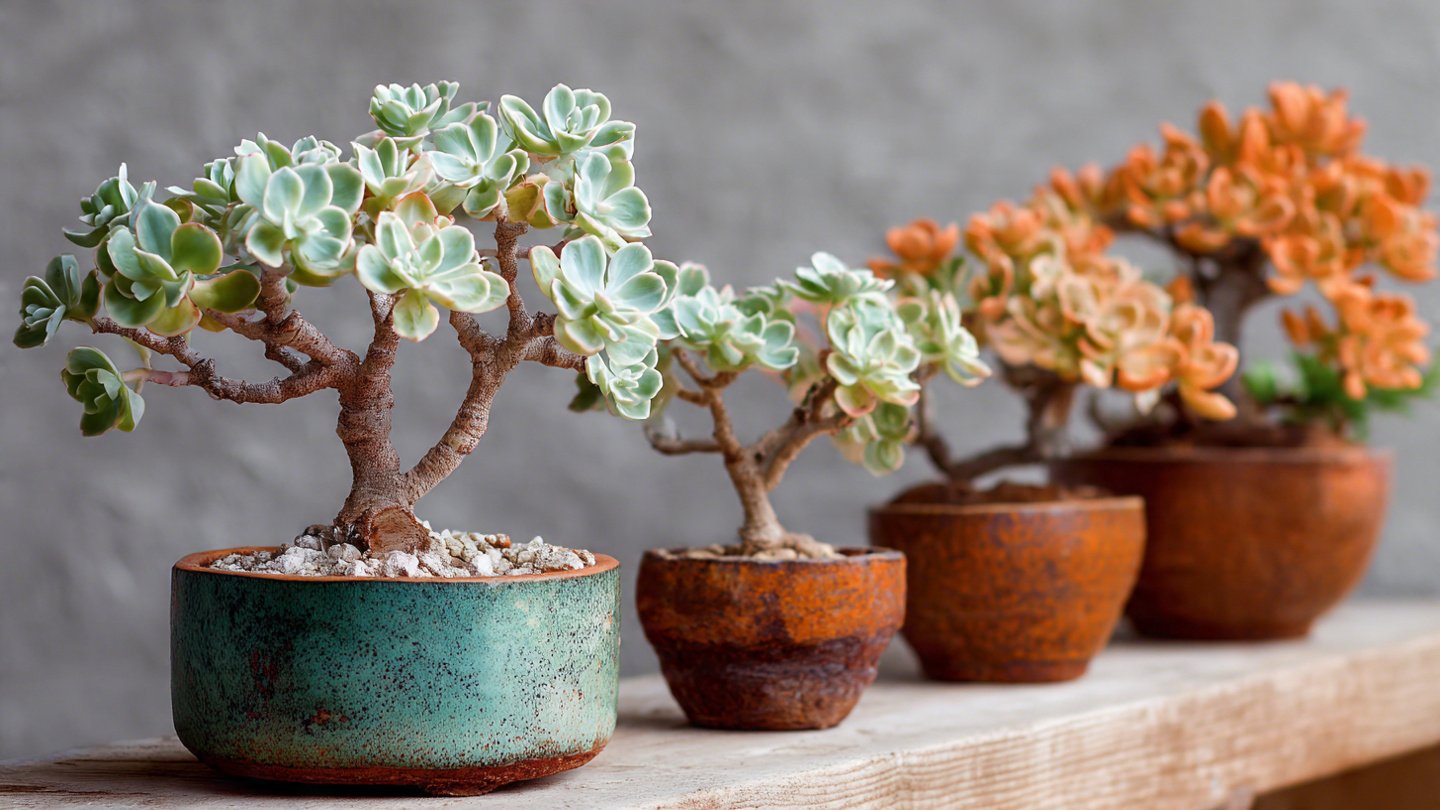
Succulent trees are an appealing feature in indoor gardens, bringing a touch of the exotic right into your living space. Combining beauty and ease of care, these plants are perfect for novices and seasoned green thumbs alike. In this guide, we will explore everything you need to create a healthy environment for your succulent trees, including types, care requirements, common problems, and much more.
What Are Succulent Trees?
Succulent trees are unique plants that have adapted to store water in their leaves, stems, or roots. This adaptation enables them to thrive in arid conditions, making them a low-maintenance choice for indoor gardening. Unlike traditional trees, succulent trees tend to have an unusual appearance, showcasing thick trunks, vibrant foliage, and an ability to grow in varied forms. Examples of succulent trees include:
- Pachira Aquatica (Money Tree) – Recognized for its braided trunk.
- Crassula Ovata (Jade Plant) – A popular choice symbolizing good luck.
- Ficus Elastica (Rubber Plant) – Known for its striking leaves and upright growth habit.
Why Grow Succulent Trees Indoors?
-
Low Maintenance: Succulent trees require minimal watering and care, making them perfect for busy individuals.
-
Space Versatility: They can thrive in various indoor spaces—from small apartments to large houses—offering aesthetic appeal without occupying too much space.
-
Air Purification: Many succulent trees can help filter indoor air pollutants, contributing to a healthier living environment.
Choosing the Right Succulent Tree
When selecting a succulent tree for your indoor garden, consider factors such as size, growth habits, and light requirements. Here are some popular choices:
1. Jade Plant (Crassula Ovata)
- Size: Can grow up to 3 feet indoors.
- Light: Prefers bright, indirect sunlight.
- Care: Water deeply but infrequently; let soil dry out between waterings.
2. Money Tree (Pachira Aquatica)
- Size: Typically grows to about 6 feet tall indoors.
- Light: Thrives in bright, indirect light but can tolerate lower light levels.
- Care: Keep the soil moist but not soggy. Fertilize monthly in the growing season.
3. Rubber Plant (Ficus Elastica)
- Size: Can reach heights of 10 feet in optimal conditions.
- Light: A strong preference for bright, indirect light.
- Care: Water when the top inch of soil is dry; mist regularly to maintain humidity.
Potting Your Succulent Tree
Proper potting is crucial for the growth and health of your succulent tree. Here’s how to do it:
Step 1: Select the Right Pot
Choose a pot with drainage holes at the bottom to prevent water logging. Terracotta pots are a great option as they allow the soil to breathe.
Step 2: Use the Right Soil
A well-draining potting mix is essential. You can either buy a special cactus/succulent mix or create your own by mixing regular potting soil with sand and perlite in equal parts.
Step 3: Transplanting
When potting your succulent tree, ensure that the roots are spread evenly in the soil. Tap the pot gently to eliminate air pockets and water lightly after transplanting.
Watering Your Succulent Tree
One of the most critical aspects of succulent tree care is watering. Here are some guidelines:
-
Frequency: Water your succulent tree every 2-4 weeks, depending on indoor humidity and temperature. In winter, you can reduce watering frequency even further.
-
Technique: Water thoroughly until it drains from the bottom. Allow the soil to dry out completely before the next watering.
-
Signs of Overwatering: Yellowing leaves, mushy stems, or a musty smell indicate overwatering, requiring you to reduce the frequency of watering or improve drainage.
Light Requirements
Succulent trees thrive in bright, indirect sunlight. Here are tips to ensure your tree gets ample light:
-
Placement: Position your succulent tree near a south or west-facing window for optimal light.
-
Rotation: Rotate your plant periodically to ensure even growth and prevent leaning towards the light source.
-
Supplemental Lighting: In dim environments, consider using grow lights to provide the necessary light for growth.
Temperature and Humidity
Most succulent trees prefer temperatures between 60°F to 80°F. Here’s how to maintain the right environment:
-
Avoid Drafts: Keep your plants away from windows or doors that might open frequently.
-
Humidity Levels: Succulent trees generally prefer low humidity levels and do not thrive in excessively humid conditions. Use a dehumidifier if necessary.
Fertilization
To promote healthy growth, fertilize your succulent tree during the growing season (spring and summer):
-
Type of Fertilizer: Use a balanced, diluted fertilizer or one specifically made for succulents and cacti.
-
Frequency: Fertilize once a month during the growing season and cease during fall and winter.
Pruning and Maintenance
Regular maintenance and pruning are necessary to keep your succulent trees looking fresh:
-
Prune for Shape: Remove any leggy or damaged branches to encourage bushy growth.
-
Dust Leaves: Clean the leaves with a soft cloth to maximize photosynthesis and prevent pest infestations.
-
Repotting: Consider repotting your succulent tree every 1-2 years to refresh the soil and provide more space for growth.
Common Problems and Solutions
Even the hardiest plants can face challenges. Here are some common problems and their solutions:
-
Overwatering: As mentioned earlier, yellowing leaves and soft stems signal overwatering. Reduce frequency and check drainage.
-
Pests: Aphids, mealybugs, and spider mites may target your succulent tree. Wipe the leaves with a damp cloth, use insecticidal soap, or apply neem oil to eliminate these pests.
-
Leaf Drop: If leaves are dropping off, it could be due to rapid temperature changes or insufficient light. Ensure your plant is in a stable environment and receives the right amount of light.
Conclusion
Growing succulent trees indoors can transform your living space into a green oasis, regardless of your gardening experience. With their unique beauty, low maintenance, and air-purifying qualities, succulent trees are an excellent addition to any home. By following the guidelines outlined in this ultimate guide, you can cultivate a healthy indoor garden that flourishes year-round.
FAQs
1. How often should I water my succulent tree?
Water every 2-4 weeks, allowing the soil to dry out completely between waterings.
2. Do succulent trees need direct sunlight?
Most thrive in bright, indirect sunlight. Direct sunlight can scorch their leaves.
3. What should I do if my succulent tree starts to stretch?
This usually indicates inadequate light. Move the plant closer to a light source or supplement with grow lights.
4. Can I grow succulent trees in low humidity?
Yes, succulent trees thrive in low humidity. However, avoid exposure to excessive humidity.
5. How do I propagate succulent trees?
You can propagate succulent trees through leaf cuttings, stem cuttings, or offsets. Allow cuttings to dry and callous before planting them in soil.
By understanding the basics of succulent tree care, you can embark on a fulfilling journey into indoor gardening, creating an aesthetic and serene environment for yourself and your guests. Enjoy nurturing and watching your plants grow!