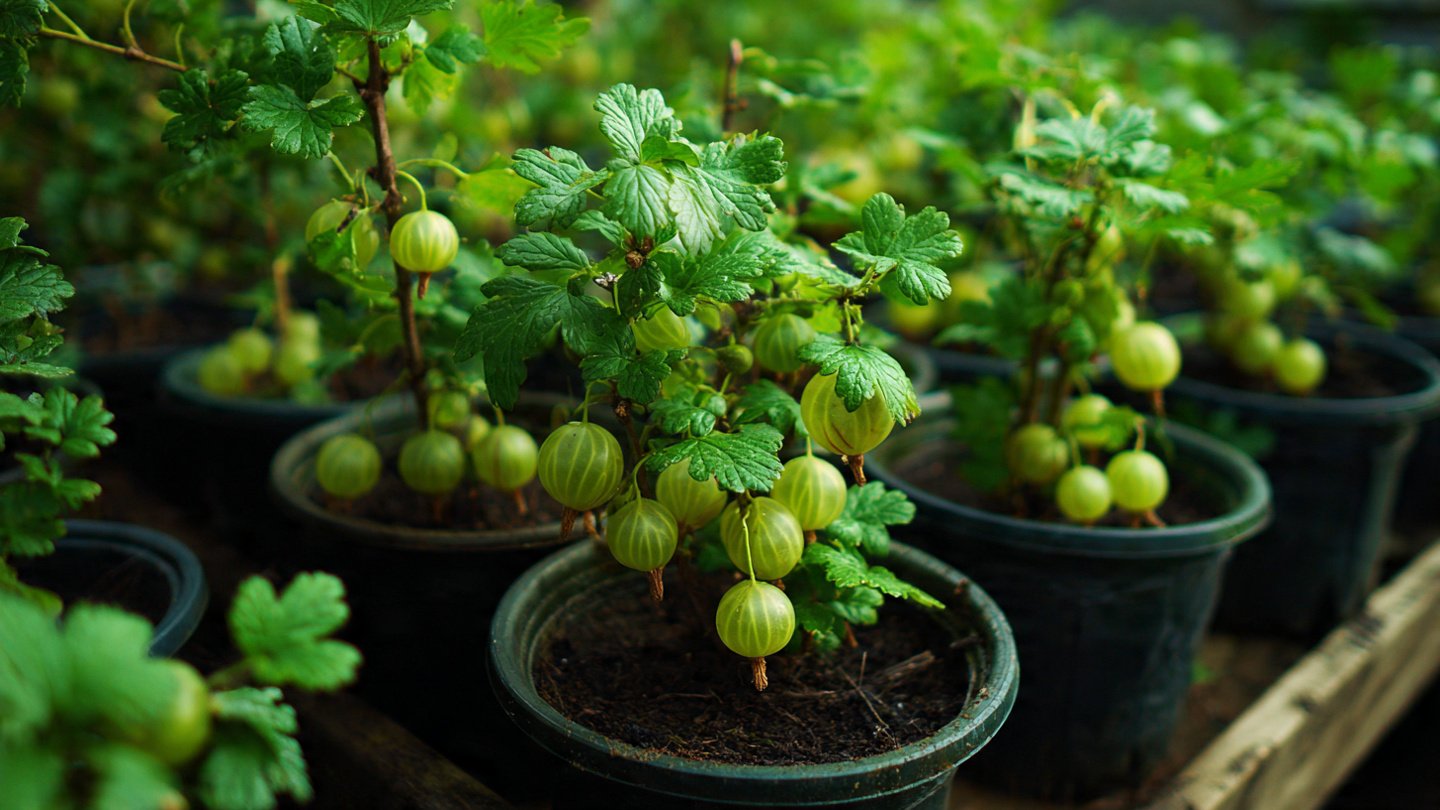
Growing gooseberries at home can be a delightful and rewarding experience. These tangy treats are not only delicious but also packed with nutrients. Whether you have limited outdoor space or simply want to enjoy fresh fruit in a convenient manner, container gardening is a wonderful solution. This article will guide you through effective hacks to grow gooseberries in containers, ensuring you achieve maximum yield and flavor.
Introduction to Gooseberries
Gooseberries (Ribes uva-crispa) are small, round fruits often used in desserts, jams, and savory dishes. They come in various colors, including green, yellow, red, and purple, each with unique flavors and culinary uses. Rich in vitamins A and C, fiber, and antioxidants, these berries can boost your health while providing a delicious taste.
Choosing the Right Variety
When selecting gooseberries for container growth, opt for dwarf or semi-dwarf varieties. Here are a few popular ones to consider:
- Invicta: Resistant to disease and hardy in various climates, this variety produces large, sweet berries.
- Hinnomaki Red: Known for its sweet flavor and vibrant red color, this variety is perfect for eating fresh.
- Captivator: A thornless option, great for kids and easy harvesting.
Container Selection
Optimal Container Size
Choose a container that is at least 12-18 inches in depth and about 18-24 inches wide. This size allows enough space for the roots to expand while providing stability for the plant as it matures.
Material Choices
Containers can be made of various materials, including:
- Plastic: Lightweight and easy to handle, though they may not retain moisture as well.
- Clay or Terra Cotta: Both breathable and aesthetically pleasing but can dry out quickly.
- Wooden Planters: These provide good insulation but require treatment to prevent rot.
Soil and Fertilization
Soil Composition
Use a well-draining potting mix rich in organic matter. A combination of:
- 50% potting mix
- 30% compost
- 20% perlite or sand
This mix ensures good drainage, aeration, and nutrient availability.
Fertilization Strategies
- Initial Fertilization: Before planting, mix a balanced organic fertilizer (like 10-10-10) into the soil.
- Ongoing Feeding: Every few weeks, apply a liquid fertilizer during the growing season.
Planting Time and Techniques
Ideal Planting Time
The best time to plant gooseberries is in early spring or fall when temperatures are moderate. This timing allows the plant to establish roots before the heat of summer or the cold of winter.
Planting Technique
- Preparing the Container: Ensure that the bottom has adequate drainage holes.
- Filling the Container: Add your potting mix, leaving about an inch of space at the top.
- Planting the Gooseberry: Dig a hole big enough for the root ball, gently place the plant, and fill with soil. Water deeply after planting.
Watering Guidelines
Consistency in Watering
Gooseberries require consistent moisture. Water the plants regularly, especially during dry spells. The goal is to keep the soil evenly moist but not soggy.
- Signs of Underwatering: Leaves may droop, and the plant may become stunted.
- Signs of Overwatering: Yellowing leaves or root rot.
Drip Irrigation
If feasible, consider installing a drip irrigation system for even watering. This method reduces the risk of fungal diseases associated with wet foliage.
Ensuring Proper Light Conditions
Sunlight Requirements
Gooseberries thrive in full sun but can tolerate partial shade. Aim for at least 6 hours of direct sunlight daily. If growing in a sunny location is challenging, consider using reflective materials to maximize light exposure.
Rotating Containers
Periodically rotating your containers can help ensure even sunlight distribution, preventing one side of the plant from becoming too shaded.
Pruning and Maintenance
Pruning Techniques
Regular pruning encourages growth and improves air circulation. Here’s how to prune your gooseberries successfully:
- Timing: Prune in late winter or early spring before new growth begins.
- Method: Remove dead, diseased, or crossing branches. Thin out overcrowded growth to ensure that light can reach the center of the plant.
Pest and Disease Management
Keep an eye out for common pests like aphids and spider mites. Implement the following measures:
- Natural Remedies: Use insecticidal soap or neem oil to handle infestations.
- Companion Planting: Consider planting herbs like basil or mint nearby to deter pests naturally.
Maximizing Flavor and Yield
Encouraging Fruit Production
Gooseberries typically produce fruit in their second or third year. To maximize yield:
- Encourage Pollination: Attract pollinators by planting flowers nearby or using a soft brush to manually transfer pollen.
- Maintain Soil Health: The healthier the soil, the better the yield. Regularly add compost or organic matter.
Harvesting Methods
Once the berries reach their full color and are slightly soft to the touch, they’re ready to be harvested. Use scissors to snip the berries to avoid damaging the plant.
Additional Tips for Successful Container Gardening
- Mulching: Apply a layer of organic mulch on top of the soil to conserve moisture and suppress weeds.
- Temperature Management: In extreme heat, consider moving containers to provide shade during the hottest part of the day.
- Winter Care: In colder climates, insulate the containers with bubble wrap or burlap and move them to a sheltered location.
FAQs
1. Can I grow gooseberries in small containers?
Yes, but it’s best to use a container that is at least 12-18 inches deep to accommodate root growth.
2. How often should I water my gooseberries?
Water them regularly so that the soil remains consistently moist. On average, this may mean watering every few days, but this can vary based on weather conditions.
3. What pests should I look out for when growing gooseberries?
Common pests include aphids, spider mites, and gooseberry sawflies. Keep an eye on your plants and apply natural pest control methods when necessary.
4. How long does it take for gooseberries to produce fruit?
Most gooseberry plants will produce fruit within 2-3 years of planting.
5. Can I grow gooseberries indoors?
While they prefer outdoor conditions, gooseberries can be grown indoors with sufficient light, ideally from grow lights, and by maintaining ideal temperature and humidity levels.
6. What is the best way to enjoy gooseberries?
Gooseberries can be eaten raw, made into jams, used in desserts, or included in savory dishes. Their tart flavor makes them a versatile addition to many recipes.
Conclusion
Growing gooseberries in containers is a fantastic way to enjoy fresh fruit at home, making it easy to maximize yield and flavor. By following the above guidelines, you can create an optimal growing environment for your gooseberries. Take the plunge, experiment, and soon you will be rewarded with a bountiful harvest of delicious, tangy berries!