Introduction
Morning Glory, with its vibrant blooms and lush green vines, is a favorite among gardeners. These beautiful flowers not only add a burst of color to any garden but are also relatively easy to grow. Indoor or outdoor, they thrive with minimal care and can easily climb nets, trellises, or walls. In this article, we’ll explore simple techniques to cultivate morning glory on a net that guarantees healthy and flourishing vines.
Understanding Morning Glory
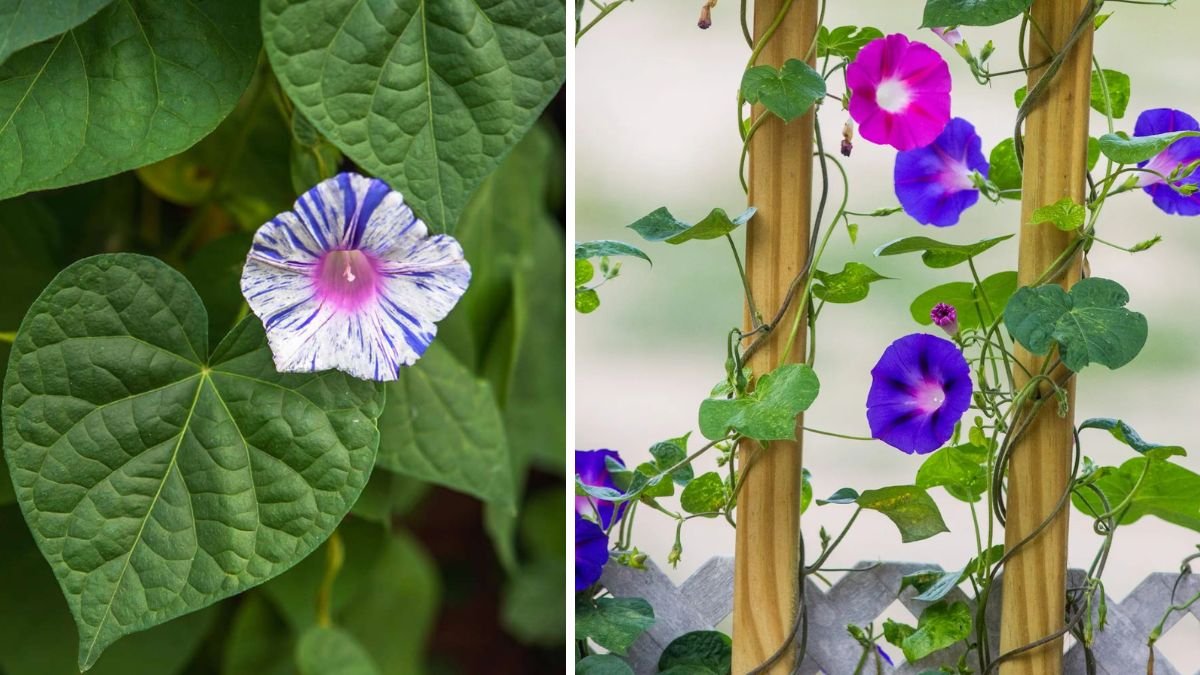
Morning Glory (Ipomoea) is a genus that includes various species known for their heart-shaped leaves and funnel-shaped flowers. The flowers bloom in the morning and close by the afternoon, hence the name. They usually come in shades of blue, purple, pink, and white. Besides being beautiful, they are fast growers, reaching heights of 10 to 15 feet in just one growing season under optimal conditions.
Choosing the Right Variety
There are several varieties of morning glory available, including but not limited to:
- Ipomoea purpurea: Commonly known as Common Morning Glory, featuring classic blue and purple hues.
- Ipomoea nil: Also known as Japanese Morning Glory, this variety is prized for its intricate blooms and is often grown in gardens.
- Ipomoea batatas: Known as Sweet Potato Vine, this cultivates gorgeous foliage and is an excellent choice for ground cover.
Each variety has its unique traits, so choose based on your aesthetic preferences and garden design.
Preparing the Soil
Good soil preparation is vital for the growth of morning glories. Follow these steps to create an optimal growing environment:
- Select a Site: Choose a location that receives full sunlight (at least 6 hours of direct sunlight daily). Morning glories thrive in warm conditions.
- Soil Type: Well-drained soil rich in organic matter is ideal. Heavy clay or overly sandy soils may hinder plant growth. A soil pH of 6.0 to 7.0 is optimal.
- Amend the Soil: Before planting, enrich the soil with compost or well-rotted manure. This adds essential nutrients and improves moisture retention.
Planting Morning Glory Seeds
Growing morning glories from seeds is easy:
-
Seed Preparation: Soak seeds in water for 24 hours before planting. This helps to soften the seed coat, enhancing germination rates.
-
Sowing Seeds: Plant seeds about ½ inch deep in rows or in clusters (two to three seeds per location). Space seeds about 6-12 inches apart for optimal growth.
-
Timing: The best time to sow seeds is after the last frost has passed, usually in late spring or early summer.
Installing a Net for Support
One of the easiest hacks to grow morning glories effectively is by installing a net for support. Here’s how:
- Select the Right Netting: Choose a lightweight netting material, such as gardening mesh or trellis netting. This allows the vines to grip and climb easily.
- Positioning the Net: Secure the net vertically in your chosen location. It can be placed against a wall, fence, or freestanding with stakes.
- Height and Spacing: Make sure the net is at least 5 to 6 feet high. The width and height of the net depend on how many vines you plan to grow.
Watering Practices
Proper watering is essential for thriving morning glories:
- Initial Watering: After planting, water the seeds thoroughly.
- Consistency: Keep the soil consistently moist but not waterlogged. Morning glories prefer dry conditions once established, so let the top inch of soil dry out between watering sessions.
- Mulching: Apply a layer of mulch around the base of the plants to retain moisture and suppress weeds, which can compete for nutrients and water.
Fertilization Techniques
While morning glories don’t need much fertilization, the right nutrients can enhance their growth:
-
Balanced Fertilizer: Use a balanced, slow-release fertilizer every 6-8 weeks during the growing season. Look for a fertilizer with equal parts nitrogen, phosphorus, and potassium (like a 10-10-10 blend).
-
Avoid Over-Fertilizing: Too much fertilizer can lead to lush foliage but fewer flowers. Stick to the recommended amount for optimal blooms.
Pruning and Maintenance
Regular maintenance is crucial for vibrant morning glories:
-
Pruning: Trim back overly aggressive vines to promote airflow and health. Remove any dead or yellowing leaves to encourage new growth.
-
Pinching: Pinch the tips of the vines to encourage bushier plant growth. This also helps direct more energy into flowering.
-
Pest Control: Watch out for pests like aphids and spider mites. Manual removal or insecticidal soap can help eliminate these pests while keeping your plants healthy.
Troubleshooting Common Issues
- Slow Growth: If your vines are not growing as expected, check for poor soil conditions, inadequate sunlight, or drought stress.
- Yellowing Leaves: This may indicate overwatering, poor drainage, or nutrient deficiency. Adjust your watering schedule and consider adding nutrients.
- Minimal Flowers: This can be caused by excessive nitrogen. If the plant is growing too much foliage without flowers, reduce fertilizer application.
Harvesting Seeds
If you want to propagate more morning glories, consider harvesting seeds:
-
Seed Collection: After flowering, seed pods will form. Allow them to dry naturally on the vine. Once dry, collect the seeds for future planting.
-
Store Properly: Keep the seeds in a cool, dry place in airtight containers to ensure viability for the next planting season.
Summary
By using simple techniques such as choosing the right variety, preparing the soil, and utilizing a support net, you can grow beautiful morning glory vines. Consistent care, watering, and occasional pruning will ensure your plants flourish, providing stunning blooms throughout the growing season.
FAQs
1. When is the best time to plant morning glory?
Morning glories should be planted after the last frost, usually in late spring or early summer.
2. How long do morning glory seeds take to germinate?
Seeds typically sprout within 7-21 days, depending on environmental conditions like temperature and moisture.
3. Do morning glories need full sun?
Yes, morning glories thrive in full sun and need at least 6 hours of direct sunlight daily for optimal growth.
4. How often should I water morning glory?
Water morning glories consistently, allowing the soil to dry out slightly between watering. Once established, they prefer drier conditions.
5. Can morning glories be grown in pots?
Absolutely! Morning glories can be grown in pots, but ensure they have sufficient space for root growth and provide a trellis for support.
6. Are morning glories invasive?
Some varieties can become invasive. Check local guidelines to ensure they’re suitable for your area, and manage their growth in gardens.
With the right approach, morning glories can transform any space, bringing beauty and vibrancy while being low-maintenance. Happy gardening!