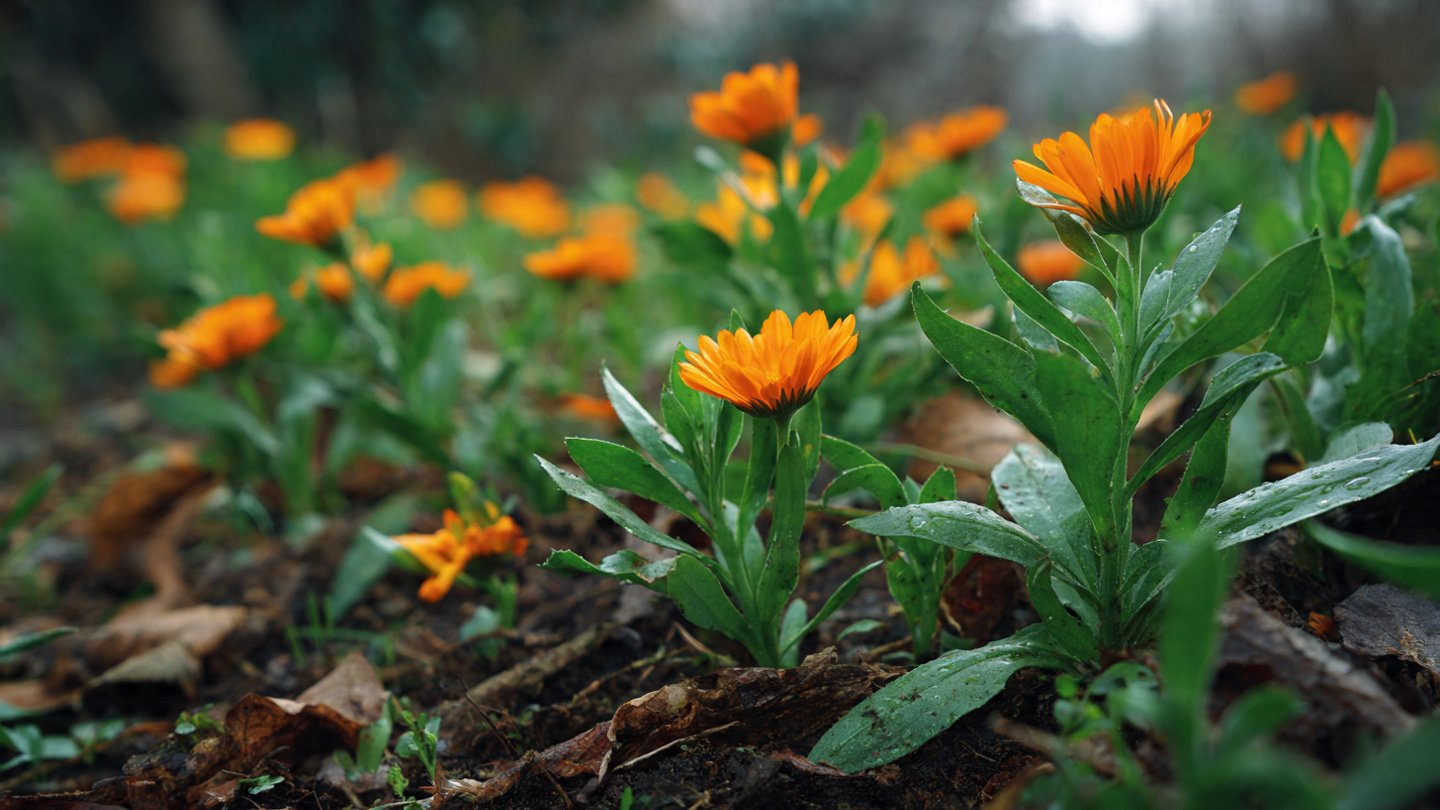
Growing calendula can offer a vibrant splash of color and a myriad of benefits, even during the winter months. Known for its bright, cheerful flowers, calendula (Calendula officinalis) is not only aesthetically pleasing but also has medicinal properties. Gardening enthusiasts and beginners alike can successfully cultivate this resilient plant throughout winter with the right techniques. In this article, we will explore some easy hacks to ensure your calendula thrives even in the colder months, along with answers to common questions.
Understanding Calendula
Calendula is often referred to as pot marigold, and it belongs to the Asteraceae family. This flower is known for its ability to bloom in various conditions and climates, making it a versatile choice for gardeners. It thrives in sunny spots but can tolerate partial shade. Calendula is also celebrated for its healing properties and is commonly used in ointments and herbal remedies.
Benefits of Growing Calendula
Before diving into the hacks for winter growth, here are some reasons why you might consider adding calendula to your garden:
-
Aesthetic Appeal: Bright orange and yellow flowers can brighten up any winter garden.
-
Medicinal Uses: Calendula is often used in various herbal preparations; its petals can be added to teas, salves, and oils.
-
Pest Control: The flowers emit compounds that can deter harmful insects.
-
Soil Improvement: Calendula can improve soil health by attracting beneficial pollinators and enriching organic matter as they decompose.
Hack #1: Indoor Growing
Growing calendula indoors during the winter using pots is an excellent way to provide the ideal conditions for growth:
Choosing the Right Pots
Select pots that have good drainage to prevent waterlogging and root rot. Terracotta pots are a great choice as they allow the soil to breathe.
Soil Mixture
Use a high-quality potting mix enriched with organic compost. This will ensure that your calendula receives the necessary nutrients.
Light Conditions
Place your pots in a bright, sunny window that gets at least 6 hours of sunlight a day. If natural light is insufficient, consider using grow lights to supplement.
Watering
Keep the soil consistently moist but not soggy. Water when the top inch of soil feels dry.
Hack #2: Planting Seeds Early
If you plan to grow calendula from seeds, starting them indoors a few weeks before the end of winter can give them a head start.
Seed Selection
Choose hardy varieties known for their resilience, like “Pacific Beauty” or “Resina.” These can withstand colder temperatures better than others.
Germination Conditions
Place seed trays in a warm location, ideally around 70°F (21°C). Keep the soil moist but not waterlogged. Germination typically occurs within 7 to 14 days.
Hack #3: Utilizing Cold Frames
Cold frames can create a microclimate suitable for growing calendula outdoors during winter.
Constructing Cold Frames
You can make a simple cold frame by using old windows or transparent plastic covers over a wooden frame. Position it in a south-facing location to maximize sunlight exposure.
Benefits of Cold Frames
Cold frames trap heat and protect plants from frost, allowing you to sow seeds directly into the ground or place young plants inside.
Hack #4: Mulching
Mulching is essential for outdoor calendula during the winter.
Types of Mulch
Organic materials like straw, shredded leaves, or compost can be used. These will not only insulate the soil but also enrich it as they break down.
Application
Apply a layer of mulch about 2-4 inches thick around the base of the plants after the first frost. This will help retain moisture and regulate soil temperature.
Hack #5: Consistent Pruning
Pruning during the winter can ensure your calendula produces flowers more effectively.
When to Prune
Remove any dead or decaying leaves as soon as they appear. This will not only keep the plant healthy but also encourage new growth.
Techniques
Use sharp, clean scissors or pruning shears to make clean cuts. Snip off the flower heads once they begin to fade to encourage more blooms.
Hack #6: Pest Management
Winter may bring pests like aphids or spider mites indoors.
Preventative Measures
Keep indoor plants clean by gently wiping the leaves with a damp cloth regularly. You can also introduce natural predators like ladybugs if pests become a problem.
Natural Remedies
Use neem oil or insecticidal soap as a treatment if pests are spotted. Always test these on a small leaf area first.
Hack #7: Fertilization
Even in winter, plants still require nutrients to thrive.
Fertilizer Selection
Choose a well-balanced organic fertilizer. A slow-release formula is ideal, as it feeds the plant over time without overwhelming it.
Application Schedule
Feed your calendula every four to six weeks. Dilute the fertilizer to half strength to avoid nutrient burn.
Hack #8: Temperature Control
Maintaining the right temperature can significantly affect your calendula’s growth during winter.
Ideal Temperature
Calendula prefers cooler temperatures, ideally between 60°F to 70°F (15°C to 21°C). If growing indoors, maintain this environment to encourage blooming without stressing the plant.
Heat Sources
If temperatures drop too low, consider using heating mats under your pots to provide a gentle warmth.
Conclusion
Growing calendula in winter is entirely feasible with the right approaches. By utilizing indoor growing techniques, cold frames, mulching, and consistent care practices, you can enjoy these lovely blooms even when the world outside is draped in snow. Whether you’re utilizing them for their beauty or medicinal properties, calendula can be a delightful addition to your winter gardening endeavors.
FAQs
1. Can calendula survive frost?
Calendula is relatively frost-tolerant and can often survive light frosts. However, severe frost can damage the plant, so using cold frames or growing them indoors may be beneficial.
2. How often should I water my indoor calendula?
Water indoor calendula when the top inch of soil feels dry. Generally, this could be once or twice a week, depending on your indoor climate.
3. Is calendula safe for pets?
Calendula is considered non-toxic to pets, making it a safe option for households with animals.
4. Can I grow calendula from cuttings?
Calendula is generally grown from seeds, but you can take cuttings from healthy plants during the growing season to propagate.
5. What can I use calendula for?
Calendula has various uses, including skin healing ointments, herbal teas, and as a culinary herb in salads and soups.
6. Do calendula plants attract bees?
Yes, calendula flowers are attractive to pollinators like bees and butterflies, making them a great addition to any garden.
7. How long does it take for calendula seeds to germinate?
Calendula seeds typically germinate within 7 to 14 days under optimal conditions.
With the right techniques, you can enjoy the beauty and benefits of calendula throughout the winter months, transforming your garden space into a colorful sanctuary even in the chilliest weather. Happy gardening!