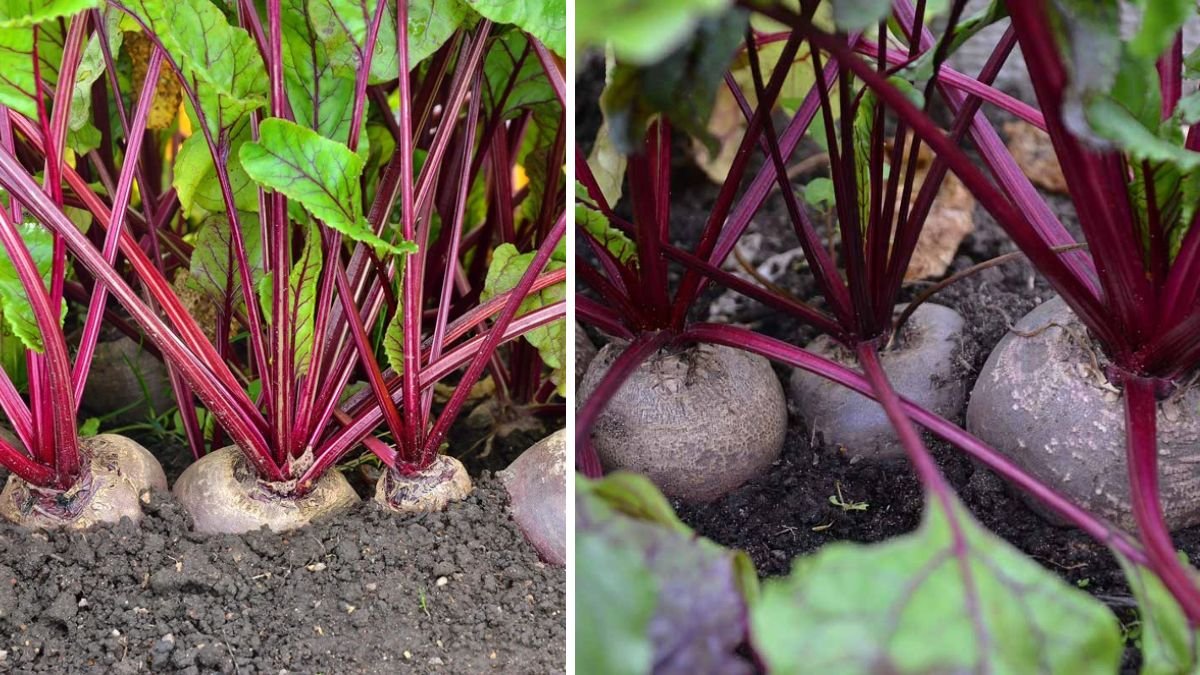
Beets are a nutrient-rich superfood well-known for their vibrant color and earthy flavor. While most people focus on the root, beet tops (or beet greens) are equally nutritious, packed with vitamins A, C, and K, as well as minerals like calcium and iron. Growing beet tops at home allows you to enjoy this leafy green with minimal effort, and the process can be both rewarding and fun. In this article, we’ll explore easy hacks to cultivate beet tops effortlessly and provide a comprehensive FAQ section for your convenience.
Why Cultivate Beet Tops?
Before diving into cultivation techniques, let’s discuss why you should consider growing beet tops. Here are a few compelling reasons:
-
Nutritional Value: Beet tops are loaded with essential nutrients. They are low in calories, high in fiber, and rich in antioxidants.
-
Versatility: You can use beet greens in salads, smoothies, stir-fries, or even as a side dish. Their mild flavor makes them a great addition to various meals.
-
Continuous Harvest: Once established, beet tops can be harvested multiple times throughout the growing season, providing continuous yields.
-
Minimal Space: Beet tops can be cultivated in small spaces, making them perfect for urban gardening.
Setting the Stage for Success
1. Choose the Right Location
Beet tops thrive with a good amount of sunlight. Find a spot that receives at least 6 hours of sunlight each day. If you’re growing indoors, a south-facing window is ideal.
2. Container Gardening
If outdoor space is limited, consider using containers. Beet tops prefer well-drained soil, so choose pots with drainage holes. A container at least 12 inches deep will provide ample space for roots while still allowing you to harvest the greens.
3. Soil Preparation
Be sure to use nutrient-rich soil. A mix of potting soil and compost will improve aeration and ensure your beet tops have ample nutrients. An ideal pH for growing beets is between 6.0 and 7.0. Testing your soil can help you adjust the pH accordingly.
Simple Planting Techniques
1. Sowing Seeds
You can start by sowing beet seeds directly into your prepared soil or container.
-
Spacing: Plant seeds about 1 inch apart. As they grow, thin them out to allow for space between plants (about 3-4 inches apart) to promote better growth.
-
Depth: Sow seeds about 1/2 to 1 inch deep.
2. Using Seedlings
If you’re short on time, consider purchasing beet seedlings from a local nursery. They can be transplanted directly into pots or your garden bed.
3. Succession Planting
To enjoy continuous yields, practice succession planting. Sow a new batch of seeds every couple of weeks. This method ensures that you have a steady supply of fresh beet tops throughout the season.
Watering Strategies
1. Consistent Moisture
Beet tops prefer evenly moist soil but do not like to be waterlogged. On average, aim to water your plants 1-2 times per week, depending on the weather conditions.
2. Mulching
A layer of mulch can help retain moisture in the soil and prevent the growth of weeds. Organic materials such as straw or shredded leaves work well for mulching.
Pest and Disease Management
1. Monitor Regularly
Keep an eye out for common pests such as aphids, beet armies, and leaf miners. Inspect the underside of leaves regularly.
2. Natural Remedies
If you discover pests, consider using natural remedies like insecticidal soap or neem oil spray. These are effective and won’t harm beneficial insects.
3. Disease Prevention
Beet tops can be susceptible to diseases like downy mildew. To prevent these, ensure good air circulation around your plants and avoid overwatering.
Harvesting Your Beet Tops
1. When to Harvest
You can start to harvest beet tops when they are around 3-4 inches tall. The younger the leaves, the tenderer and tastier they will be.
2. How to Harvest
Using clean scissors or garden shears, snip outer leaves, allowing the inner leaves to continue growing. This method not only provides you with fresh greens but encourages more growth.
3. Storing Your Harvest
Store harvested beet tops in perforated plastic bags in the refrigerator. They typically stay fresh for about a week. Rinse them gently before using them in your dishes.
Creative Uses for Beet Tops
Once you’ve cultivated your beet tops, you can experiment with various recipes:
-
Salads: Toss chopped beet greens with nuts, fruits, and a light vinaigrette.
-
Smoothies: Blend beet tops into your morning smoothies for a nutrient boost.
-
Sautéed: Quickly sauté beet greens with garlic and olive oil for a delicious side dish.
-
Pesto: Use beet tops as a base for a unique pesto sauce.
Troubleshooting Common Issues
1. Yellowing Leaves
If your beet tops’ leaves are turning yellow, it could be due to nutrient deficiencies or overwatering. Adjust your watering schedule and consider adding a balanced fertilizer.
2. Stunted Growth
If your beet tops are growing slowly, evaluate your watering, light, and soil quality. Ensuring they have enough sunlight and nutrients will encourage better growth.
3. Bitter Taste
Beet tops can taste bitter if they are harvested too late. Regularly check your plants and pick the leaves when they are tender for optimal flavor.
FAQs
Q1: How long does it take for beet tops to grow?
Beet tops typically take about 30-60 days to grow from seed to harvest, depending on the growing conditions.
Q2: Can I grow beet tops indoors?
Yes, beet tops can be grown indoors as long as they have access to sufficient sunlight and good soil.
Q3: Are beet tops edible raw?
Absolutely! Beet tops are delicious raw in salads or smoothies and packed with nutrients.
Q4: How often should I water my beet tops?
Water beet tops 1-2 times per week, ensuring the soil remains moist but not waterlogged.
Q5: Can I grow beets specifically for their tops?
Yes! You can plant beets specifically for their tops by allowing the roots to grow until they are large enough to harvest, while focusing on harvesting the greens.
Q6: Do beet tops regrow after harvesting?
Yes, as long as you leave some of the inner leaves untouched, beet tops will continue to grow and let you harvest them multiple times.
Conclusion
Cultivating beet tops at home is a rewarding experience that offers not only nutritional benefits but also an easy gardening project. By following these simple hacks and tips, you can enjoy your homegrown beet tops with minimal effort. Whether you’re an experienced gardener or a beginner, growing beet tops can add a fresh touch to your meals and joy to your gardening journey. Happy gardening!