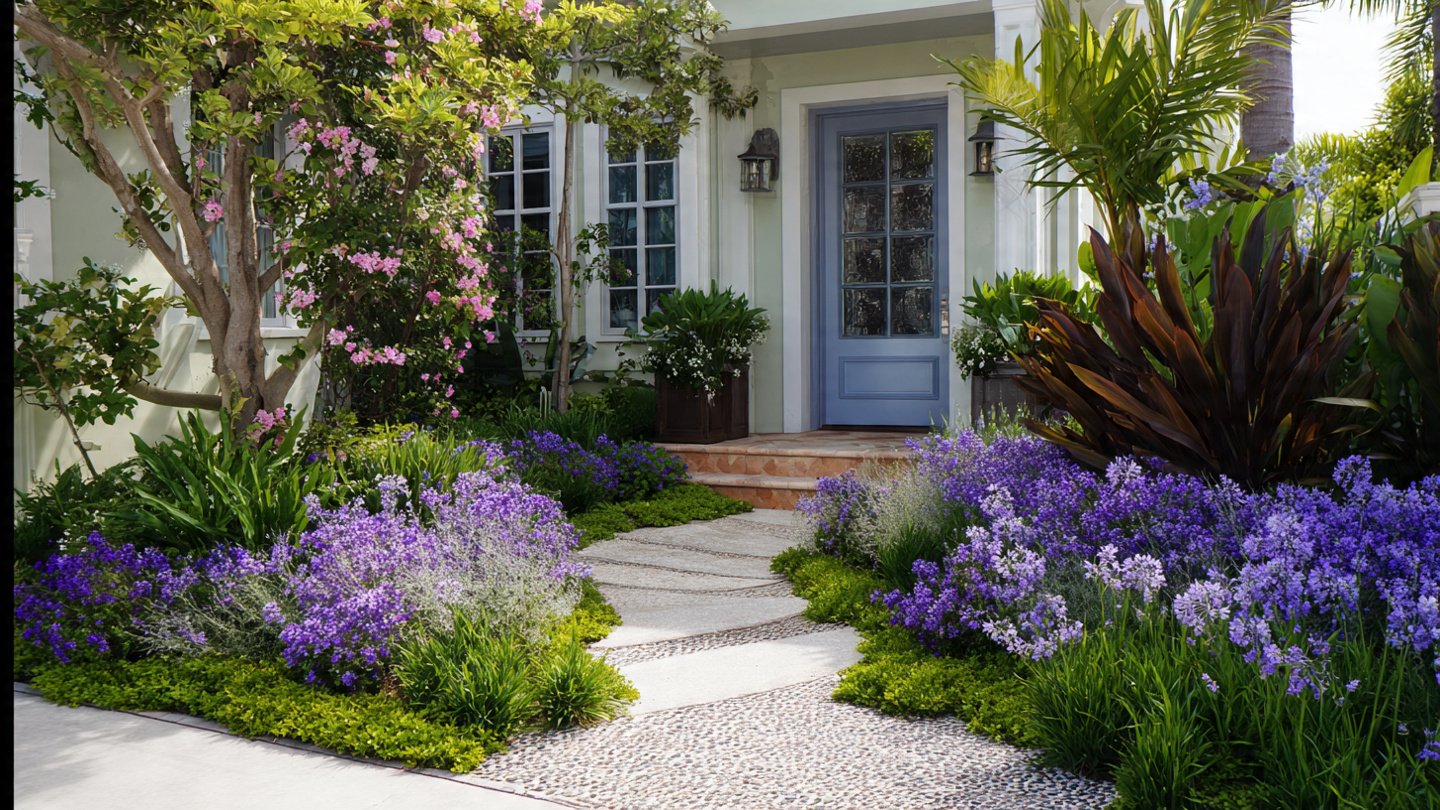
Creating a stunning entryway garden can enhance the curb appeal of your home, welcome guests, and provide a serene atmosphere. Often, people shy away from gardening due to concerns about time commitment and maintenance. Luckily, there’s a multitude of low-maintenance plants and simple design principles that can help you establish a beautiful entryway garden without breaking the bank or your back. This article explores an easy method to create a breathtaking entry garden that requires minimal upkeep.
Why an Entryway Garden?
An entryway garden serves multiple purposes:
- First Impressions: It’s the first thing guests see, setting the tone for your home.
- Aesthetic Appeal: A well-maintained garden adds color, texture, and visual interest.
- Inviting Atmosphere: A garden can create a welcoming environment.
- Environmental Benefits: Gardens improve air quality, provide habitats for wildlife, and mitigate noise pollution.
Selecting the Right Location
The first step in creating an entryway garden is selecting the right location. Ideally, your garden should:
- Be easily visible from the street.
- Have good drainage.
- Receive adequate sunlight (full sun, partial shade, or full shade).
- Be accessible for maintenance (though we’re aiming for low maintenance!).
Choosing Low-Maintenance Plants
When selecting plants, consider varieties that are resilient and require minimal care. Below are some excellent options based on various conditions:
1. Full Sun Plants
-
Sedum: These succulent plants are drought-resistant, require little water, and come in multiple varieties with different textures and colors.
-
Lavender: Not only does it offer soothing scents and beautiful flowers, but it also attracts pollinators and is drought-tolerant.
-
Echinacea (Coneflower): Brightly colored and hardy, these flowers bloom throughout the summer and require little care.
-
Daylilies: They are resilient, require minimal watering, and produce stunning blooms.
2. Partial Shade Plants
-
Hostas: With various leaf shapes and sizes, hostas thrive in partial to full shade and are low-maintenance.
-
Ferns: These add textural diversity and thrive in shady conditions, requiring little more than regular watering.
-
Astilbe: These plants provide feathery blooms and thrive in moist, shaded areas, often requiring no additional care.
3. Full Shade Plants
-
Heuchera (Coral Bells): These hardy perennials have vibrant foliage and thrive in shady conditions.
-
Liriope: This grass-like perennial is virtually indestructible and thrives in shade, producing spikes of purple flowers.
-
Japanese Forest Grass: This ornamental grass adds softness and texture, flourishing in shaded areas with little maintenance.
Design Principles for Entryway Gardens
Once you have selected your plants, it’s time to think about design. Here are some essential principles to consider:
1. Layering Heights
Create visual interest by incorporating plants of varying heights. Taller plants can be placed at the back or sides, with shorter plants in front. For example:
- Place tall plants like Echinacea at the back, medium-sized plants like Daylilies in the middle, and short plants like Sedum at the front.
2. Color Coordination
Choose a color palette that suits your tastes and complements your home. You might opt for harmonious hues (analogous colors that sit next to each other on the color wheel) or contrasting colors for a bold look.
3. Plant Grouping
Group plants with similar water and sunlight needs together to ease maintenance. Clustered plants look more natural, rather than spacing them out excessively.
4. Pathways and Accessories
Incorporate pathways, edging, or decorative elements such as garden stones, sculptures, or seating areas to enhance your entryway garden’s appeal.
-
Pathways: They can guide guests to your front door and create a structured look.
-
Edging: Whether it’s stone, wood, or metal, edging can help define your garden.
-
Decor: Functional decor like bird feeders or benches can create focal points in your garden.
Planting Your Garden
1. Soil Preparation
Start with quality soil. Depending on the plants you’ve chosen, you may need to amend your soil with compost to enhance its drainage and nutrient level.
2. Planting Technique
- Dig holes twice as wide but as deep as the root ball of each plant.
- Gently loosen any root-bound plants before placing them in the hole.
- Ensure the plant is level with the soil surface and fill in around the roots with soil.
- Water generously after planting.
3. Mulching
Apply a layer of organic mulch around your plants to retain moisture, suppress weeds, and maintain a finished look.
Maintenance Tips
The beauty of a low-maintenance garden lies in its simplicity. However, some routine care is essential:
-
Watering: Newly planted gardens need regular watering until the plants are established. Use drip irrigation or soaker hoses if you want to minimize watering efforts.
-
Weeding: Regularly check for weeds, especially in the early stages. A thick layer of mulch can help keep them at bay.
-
Fertilization: Most low-maintenance plants thrive with little to no fertilizer. However, consider adding organic fertilizer in spring to enhance growth.
-
Pruning: Some plants might require light pruning to promote healthy growth. Regularly check for dead or spent foliage and remove it.
Seasonal Considerations
Your entryway garden will change with the seasons.
-
Spring: This is the time of new growth. Consider adding spring-blooming bulbs for bursts of color.
-
Summer: Regularly check for hydration as many plants will be in full bloom.
-
Fall: Autumn is a great time to prune and prepare your garden for winter. Consider adding perennials that offer autumn color.
-
Winter: Even in winter, your garden can have visual interest with evergreen plants or decorative elements like twinkling lights.
FAQs
1. What type of soil is best for low-maintenance plants?
A well-draining soil enriched with organic matter is optimal. Consider adding compost to improve nutrient content and soil structure.
2. How often should I water my entryway garden?
Generally, new plants require more frequent watering for the first few weeks. Once established, many low-maintenance plants can thrive on rainfall alone, but checking soil moisture is always a good practice.
3. Can I mix different plant types?
Yes! Mixing species can enhance visual interest, but make sure their watering and sunlight needs align. Avoid overcrowding to allow for proper air circulation.
4. How do I keep weeds at bay?
Applying a thick layer of mulch can greatly reduce weed growth. Regularly checking for weeds and removing them by hand can also help.
5. What other easy maintenance tips would you recommend?
Consider using a garden-friendly application of slow-release fertilizers, and take advantage of landscaping fabric beneath mulch to further suppress weeds.
Conclusion
Crafting a stunning entryway garden doesn’t have to be a labor-intensive endeavor. By choosing low-maintenance plants and employing thoughtful design principles, you can create an inviting and beautiful space that enhances your home and requires minimal upkeep. Whether you prefer bold colors, soothing scents, or textural diversity, low-maintenance plants offer myriad possibilities. With just a little initial effort, you can enjoy a charming garden year-round—effortlessly!