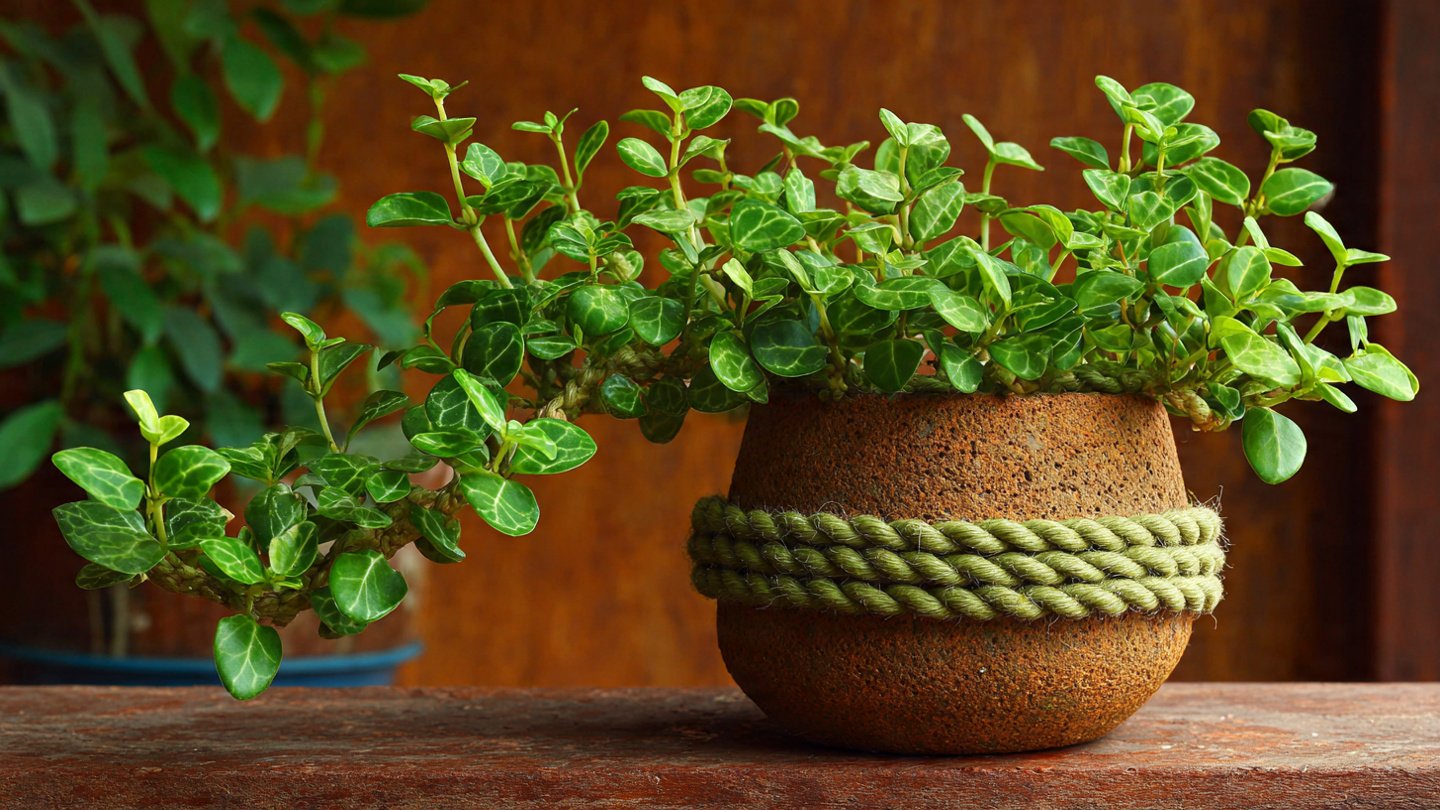
The Hindu Rope Plant, or Hoya carnosa compacta, is a stunning houseplant known for its beautiful, waxy leaves and cascading vines. This unique plant, with its thick, twisted foliage, makes a fantastic addition to any home or office. However, to keep your Hindu Rope Plant flourishing and bushy, it’s essential to provide the right care. Here’s a guide to help you cultivate a healthy, luscious plant easily.
1. Choosing the Right Pot
Pot Type and Size
Select a pot that allows for good drainage. Clay or terracotta pots are ideal since they offer breathability and can prevent overwatering. The pot should be no larger than necessary, as an overly large pot can retain too much moisture, leading to root rot.
Drainage Holes
Always ensure the pot has adequate drainage holes. If water cannot escape, it will stagnate at the bottom of the pot, harming the roots.
2. Optimal Soil Conditions
Well-Draining Soil
Hindu Rope Plants prefer a well-draining medium. A mix of potting soil, perlite, and orchid bark is perfect. This blend provides the necessary aeration and drainage while retaining enough moisture.
pH Levels
Aim for a slightly acidic to neutral pH level (around 6.0 to 7.0) for your soil mix. You can test the pH using a soil test kit available at gardening stores.
3. Light Requirements
Bright Indirect Light
Hindu Rope Plants thrive in bright, indirect sunlight. Direct sunlight can scorch their leaves, while insufficient light can stunt their growth. A spot near a window with filtered light works well.
Rotating the Plant
To ensure even growth, rotate the plant occasionally. This will prevent it from leaning towards the light source and help maintain a bushy shape.
4. Watering Techniques
Watering Schedule
Water your Hindu Rope Plant thoroughly when the top inch of the soil feels dry. Typically, this means watering every 1-2 weeks, but this can vary based on the humidity and temperature.
Avoid Overwatering
Be cautious not to overwater. Signs of overwatering include yellowing leaves and soft, mushy stems. If you notice these symptoms, reduce your watering frequency and ensure the pot drains well.
5. Humidity and Temperature
Ideal Conditions
Hindu Rope Plants prefer warm and humid conditions. The optimal temperature range is between 60°F and 85°F (15°C to 29°C).
Increasing Humidity
If the air in your home is dry, you can increase humidity by:
- Misting: Lightly mist the leaves every few days.
- Pebble Tray: Place a tray filled with water and pebbles under the pot. As the water evaporates, it increases nearby humidity.
- Humidifier: Using a humidifier can also greatly benefit your plant.
6. Fertilization
Choosing Fertilizers
Fertilize your Hindu Rope Plant during the growing season (spring and summer) with a balanced, water-soluble fertilizer diluted to half strength. Look for a fertilizer designed for houseplants.
Frequency
Fertilize every 4-6 weeks to encourage growth but taper off in the fall and winter months when the plant’s growth slows.
7. Pruning for Bushiness
Regular Pruning
Pruning encourages bushier growth, as it stimulates the plant to produce new shoots. Use clean, sharp scissors to trim back long, leggy stems, focusing on areas where you see new growth.
Pinching Back
Pinch back the tips of the vines to encourage branching. This method helps create a fuller look, enhancing the plant’s bushy appearance.
8. Pest Management
Common Pests
Hindu Rope Plants can be susceptible to pests like mealybugs, aphids, and spider mites. Regularly inspect your plant for any signs of infestation.
Non-Toxic Treatments
If you find pests, treat them using:
- Neem Oil: A natural pesticide that disrupts the life cycle of the pests.
- Insecticidal Soap: Safe for most houseplants and effective against soft-bodied insects.
9. Repotting
When to Repot
Repot your Hindu Rope Plant every 2-3 years or when you notice it outgrowing its pot. Signs include roots emerging from the drainage holes or the plant’s growth slowing down.
Repotting Steps
- Gently remove the plant from its pot, being cautious not to damage the roots.
- Shake off excess soil and inspect the roots for any signs of rot.
- Place the plant in a slightly larger pot with fresh potting mix, ensuring it sits at the same depth as before.
10. Seasonal Care
Seasonal Adjustments
Adjust your care routine seasonally. In spring and summer, increase watering and feeding. In fall and winter, reduce both, as the plant’s growth naturally slows.
Dormancy
Be aware that during dormancy, the Hindu Rope Plant will not need much water or fertilizer. Monitor the plant closely; it’s better to err on the side of underwatering during these months.
Conclusion
Taking care of a Hindu Rope Plant can be rewarding, as these beautiful plants can thrive and add charm to your home with the right methods. By following the tips outlined above—choosing the right pot, providing optimal light, watering correctly, and regular pruning—you’ll encourage your plant to grow lush and bushy.
FAQs
1. How often should I water my Hindu Rope Plant?
Water when the top inch of soil feels dry, typically every 1-2 weeks.
2. Can I propagate my Hindu Rope Plant?
Yes! You can propagate through cuttings. Trim a healthy length of vine, let it callous for a day, and place it in water or soil.
3. What should I do if my plant is getting leggy?
Prune the longer vines and pinch back tips to encourage fuller growth.
4. Are Hindu Rope Plants pet-friendly?
While they are not considered toxic, it’s always best to keep any houseplant out of reach of pets to avoid possible digestive issues.
5. Why are the leaves turning yellow?
Yellowing leaves may indicate overwatering or insufficient light. Adjust your watering schedule and check the plant’s light location.
6. How can I increase humidity for my Hindu Rope Plant?
You can mist the plant, use a pebble tray with water, or run a humidifier nearby.
7. Can I place my Hindu Rope Plant in direct sunlight?
No, direct sunlight can scorch the leaves. Aim for bright, indirect light instead.
By following these guidelines, your Hindu Rope Plant will be well on its way to thriving in your home! Enjoy the beauty and charm it brings to your living space.