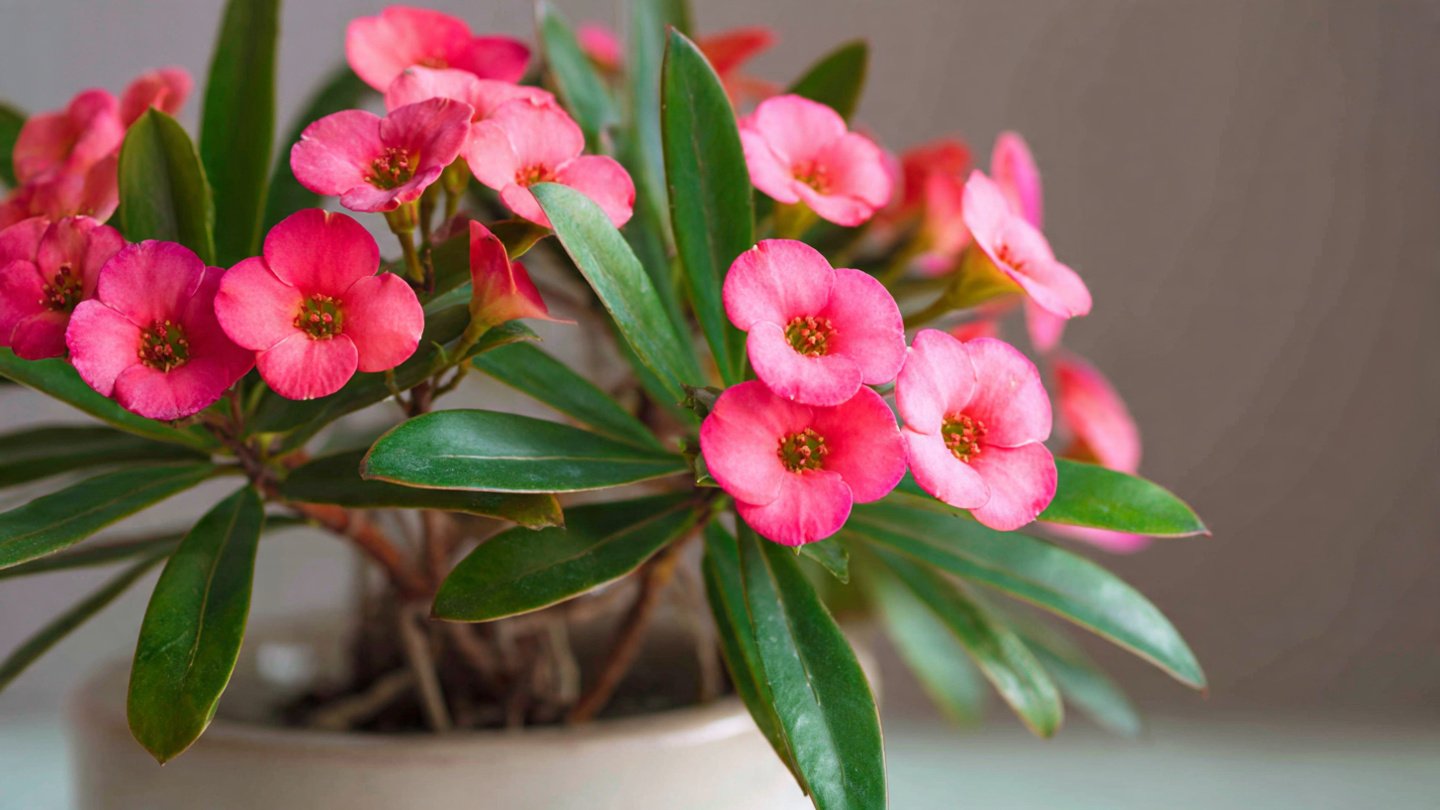
Crown of Thorns (Euphorbia milii) is a popular succulent houseplant known for its vibrant blooms and unique, thorny appearance. Originally native to Madagascar, this resilient plant has gained a reputation for being relatively easy to care for, making it an excellent choice for both novice and experienced gardeners. Growing a bushy Crown of Thorns plant indoors can be a rewarding experience, providing you with beautiful greenery and bursts of color throughout the year. This guide offers simple, effective tips to help you cultivate a thriving bushy Crown of Thorns plant indoors.
1. Understanding Crown of Thorns
Crown of Thorns plants are characterized by their fleshy leaves, thorny stems, and small flowers that bloom in various colors, including red, yellow, and pink. They are succulents, meaning they store water in their leaves and stems, allowing them to withstand periods of drought.
Benefits of Growing a Crown of Thorns
- Low Maintenance: Once established, this plant requires minimal care.
- Attractive Foliage: Its unique appearance adds aesthetic value to any indoor setting.
- Improves Air Quality: Like many houseplants, it can help filter indoor air, enhancing your living environment.
2. Choosing the Right Pot and Soil
Selecting the Pot
Choosing the right pot is essential for your Crown of Thorns plant. Make sure to:
- Choose a pot with drainage holes: This will prevent waterlogging, which can lead to root rot.
- Size matters: Start with a pot that is slightly larger than the root ball. This will give the plant space to grow while encouraging bushiness.
Soil Requirements
Crown of Thorns thrive in well-draining soil. A cactus or succulent mix is ideal. You can also create your own mix by combining:
- 50% potting soil
- 25% sand or perlite
- 25% peat moss (optional for moisture retention)
3. Ideal Light Conditions
Crown of Thorns loves bright, indirect sunlight. Here’s how to ensure your plant gets the right amount of light:
- Positioning: Place your plant near a south or west-facing window for optimal light exposure. If the light is too direct, it may scorch the leaves.
- Supplemental Lighting: During winter months or cloudy days, consider using a grow light to provide additional support.
4. Watering Wisely
Watering practices are crucial in keeping your Crown of Thorns healthy:
How often to water
- Check the soil: Ensure the top one or two inches of soil are dry before watering again. This typically translates to watering once every 1-3 weeks depending on humidity and temperature.
- Water deeply: When you do water, make sure to soak the soil thoroughly until excess water drains from the bottom.
Signs of Overwatering
Be cautious of these signs that may indicate overwatering:
- Yellowing leaves
- Wilting stems
- Root rot (a foul smell may occur)
5. Fertilization for Growth
Fertilizing your Crown of Thorns plant can promote bushier growth and more abundant blooming:
- Frequency: Apply a balanced, water-soluble fertilizer (like 10-10-10) every 4-6 weeks during the growing season (spring to early fall).
- Dilution: Always dilute the fertilizer to half the recommended strength to avoid chemical burns to the plant.
6. Pruning for Bushiness
Pruning is an essential practice for encouraging bushy growth in your Crown of Thorns:
When to Prune
- During the growing season: Spring and summer are ideal times for pruning.
How to Prune
- Remove spent flowers: This encourages the plant to focus its energy on new growth.
- Trim back overgrown stems: Cut back long, leggy growth to create a denser, bushier shape.
Techniques
- Use clean, sharp tools: Always sanitize your pruning shears with rubbing alcohol to prevent disease transmission.
- Make cuts at a 45-degree angle: This helps the plant heal faster and reduces water pooling at the cut site.
7. Temperature and Humidity Preferences
Crown of Thorns plants thrive in temperatures ranging from 65°F to 80°F (18°C to 27°C) and can tolerate some fluctuations. Key tips include:
- Keep away from drafts: Avoid placing the plant near air conditioning vents or windows that may expose it to cold drafts.
- Humidity levels: While they prefer dry air, an occasional misting or placing a humidity tray nearby can be beneficial during very dry conditions.
8. Addressing Pests
While Crown of Thorns is generally resistant to pests, they can occasionally attract:
- Mealybugs
- Spider mites
- Aphids
Prevention and Treatment
- Regular Inspections: Frequently check the leaves and stems.
- Natural Remedies: If pests are spotted, treat them with a mixture of water and insecticidal soap or neem oil.
9. Propagation Methods
If you want to expand your collection or share with friends, propagation is easy!
Stem Cuttings
- Select a healthy stem: Choose a stem about 4-6 inches long with at least one leaf node.
- Let it callous: Allow the cutting to dry and callous for a day or two.
- Plant in soil: Place the cutting in a well-draining potting mix and keep the soil slightly moist until roots develop.
Leaf Cuttings
While less common, leaf cuttings can also root under the right conditions.
10. Maintaining Year-Round Blooms
One of the standout features of Crown of Thorns plants is their ability to bloom year-round with proper care. Here’s how to ensure continuous blooms:
- Consistent Light: Ensure they receive enough light throughout the year.
- Nutrient-Rich Soil: Maintain nutrient balance, especially during the blooming season.
- Right Watering Routine: Avoid fluctuations in watering practices and maintain a stable environment.
FAQs
Q1: How often should I repot my Crown of Thorns?
A: Repot every 2-3 years or when the plant becomes root-bound, typically in spring.
Q2: Why are my leaves turning yellow?
A: Yellowing leaves can indicate overwatering or insufficient light. Check your care regimen and adjust accordingly.
Q3: Is Crown of Thorns toxic?
A: Yes, the sap can be mildly toxic if ingested. Keep it away from pets and small children.
Q4: Can I grow Crown of Thorns outdoors?
A: Yes, in suitable climates (USDA zones 9-11). However, ensure they are brought indoors during frost.
Q5: How can I encourage more flowers?
A: Provide consistent light exposure, regular feeding, and proper watering techniques to encourage flowering.
By following these comprehensive tips and understanding the needs of your Crown of Thorns plant, you can enjoy a stunning indoor centerpiece that flourishes throughout the year. Happy gardening!