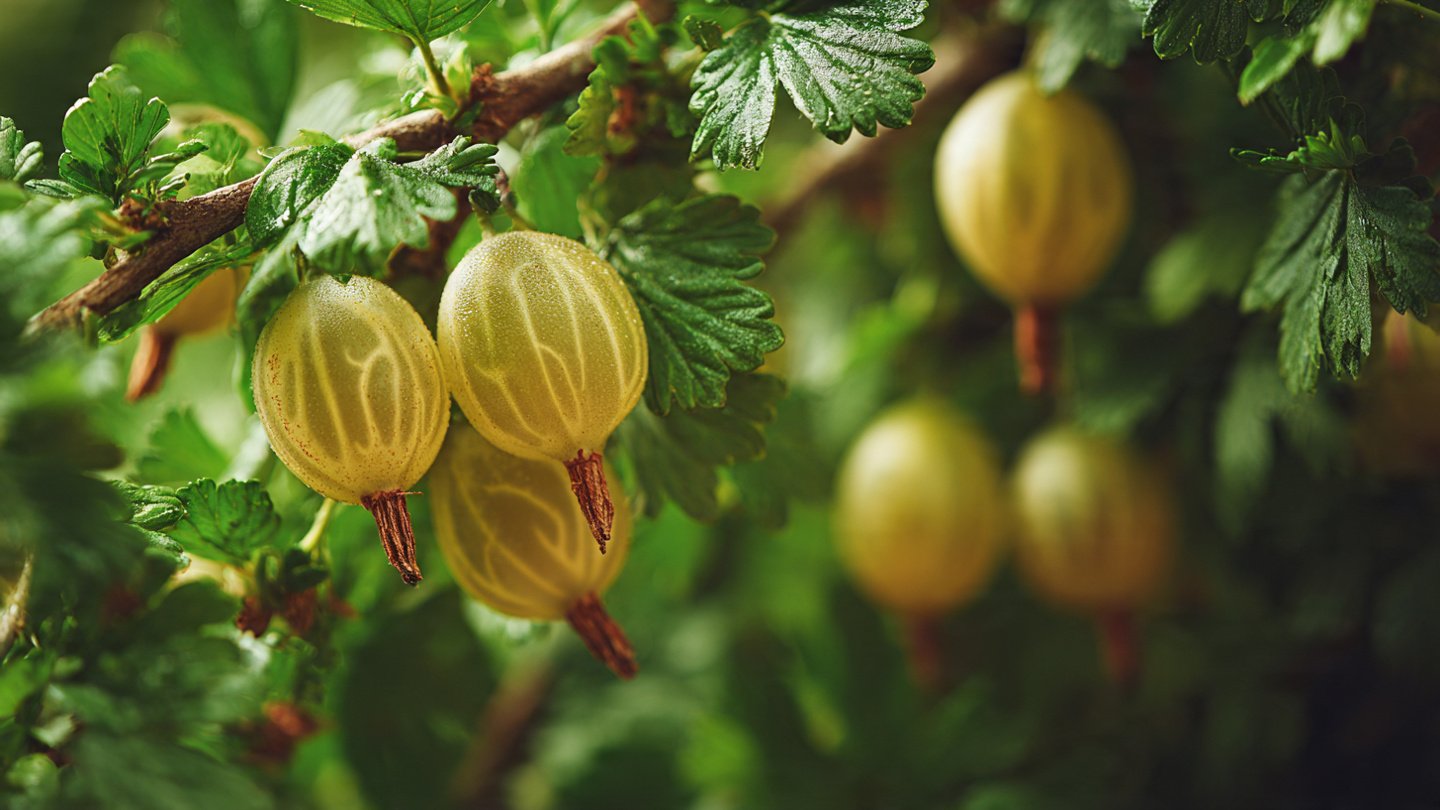
Gooseberries are delightful, tart berries that offer a unique flavor and numerous culinary possibilities, from jams and jellies to desserts and savory dishes. For those living in regions with short summer seasons, cultivating gooseberries might seem daunting, but with proper techniques, it can be done successfully. This article will explore effective strategies for growing gooseberries, including site selection, soil preparation, various care methods, and harvesting tips.
Understanding Gooseberries
Gooseberries (Ribes uva-crispa and Ribes rubrum) belong to the currant family and come in several varieties, including green, red, and purple. They are hardy plants that can tolerate cold climates, making them an excellent choice for gardeners in northern regions. However, their growth can be maximized with the right knowledge, especially in areas where summers are brief.
Choosing the Right Varieties
Selecting the appropriate gooseberry varieties is crucial for success in shorter growing seasons. Some varieties are more adaptable to cool climates and short growth periods. Here are a few recommended types:
- Invicta: Known for its robust growth and disease resistance, this variety produces large, sweet fruits even in cooler temperatures.
- Hinnomaki Red: This is an early-bearing variety, producing sweet berries that can be harvested as early as mid-summer.
- Captivator: This variety is particularly suited for colder climates and offers good yields of tart berries.
- Green Gage: Known for its flavorful fruit, it’s ideal for shorter seasons as it matures quickly.
Site Selection
Selecting the right site for planting is critical. Here are some factors to consider:
- Sunlight: Gooseberries thrive in full sun but can tolerate partial shade. Aim for a location that receives at least 6-8 hours of sunlight per day.
- Shelter: Plant your gooseberries in a location that is sheltered from strong winds, which can damage young plants and restrict growth.
- Drainage: Ensure the selected site has well-draining soil. Gooseberries do not like to have “wet feet,” which can lead to root rot.
Soil Preparation
Soil health is vital for gooseberry growth. Here’s how to prepare the soil effectively:
- Testing Soil: Conduct a soil test to determine pH and nutrient levels. Gooseberries prefer slightly acidic to neutral soil (pH 6.0 to 7.0).
- Amending Soil: If necessary, amend the soil based on test results. Add organic matter such as compost or well-rotted manure to increase soil fertility and structure.
- Tillage: Till the soil to a depth of at least 12 inches to break up compacted layers and enhance roots’ growth.
Planting Technique
Proper planting technique can significantly influence the success of your gooseberries:
- Timing: Plant gooseberries in early spring as soon as the soil can be worked or in autumn after the harvest.
- Spacing: Space plants about 3-4 feet apart to allow for their spread and to enable air circulation, which helps prevent disease.
- Depth: Plant gooseberries deep enough to cover the root ball while exposing the base of the stems to prevent them from rotting.
Watering Strategies
In short summers, maintaining optimal moisture levels is vital for the growth of gooseberries. Effective watering strategies include:
- Mulching: Apply a layer of organic mulch around the base of the plants to retain soil moisture, suppress weeds, and regulate soil temperature.
- Regular Watering: During dry spells, water the plants deeply once a week. Ensure that the soil remains consistently moist but not soggy.
- Drip Irrigation: Consider using a drip irrigation system to conserve water and deliver moisture directly to the roots.
Fertilizing
Fertilization supports robust growth and fruit production, especially in short growing seasons. Here’s how to fertilize effectively:
- Early Spring Fertilizer: Use a balanced fertilizer (10-10-10) in early spring, following package instructions based on your soil’s nutrient profile.
- Organic Options: Organic options such as fish emulsion or compost tea can provide a gentle nutrient boost without burning young roots.
- Timing: Avoid late fertilization during the growing season, as this may promote soft growth that cannot withstand colder weather.
Pest and Disease Management
Gooseberries can attract a variety of pests and diseases, especially in humid summer conditions. Implement these management techniques:
- Regular Monitoring: Inspect plants regularly for common pests such as aphids, spider mites, and gooseberry sawflies.
- Natural Predators: Encourage beneficial insects like ladybugs and lacewings to keep pest populations in check.
- Neem Oil or Insecticidal Soap: Use organic pesticides like neem oil to manage pest populations without harming beneficial insects.
- Fungal Diseases: To prevent powdery mildew and other fungal issues, ensure good air circulation between plants and avoid overhead watering.
Pruning Techniques
Pruning is essential for maintaining healthy plants and maximizing fruit yields. Follow these tips:
- Timing: Prune during late winter or early spring before new growth starts. This helps improve air circulation and sunlight penetration.
- Removing Dead Growth: Cut out any dead or diseased stems and thin crowded growth to promote air circulation.
- Shaping: Aim for an open center formation, allowing light to reach the interior of the plant and enabling better fruit production.
Harvesting
Proper harvesting techniques can enhance your gooseberry experience:
- Timing: Harvest gooseberries when they are fully colored and slightly soft to the touch, typically between late July and August.
- Gentle Handling: Use scissors to clip the fruit from the stems. This minimizes bruising and helps maintain the berries’ quality.
- Storage: Store picked berries in a cool place, and refrigerate them for longer shelf life. Gooseberries can last several days when kept moist and cool.
Expanding Your Gooseberry Crop
If you want to expand your gooseberry garden, consider these propagation methods:
- Cuttings: Take softwood cuttings in the summer or hardwood cuttings during the winter to grow new plants.
- Layering: Bury a low-hanging branch under soil to encourage it to root, then cut the new plant from the parent.
- Division: Older plants can be divided and replanted to create new stock.
FAQs
1. Can I grow gooseberries in containers?
Yes! Gooseberries can thrive in containers if you choose a large pot with good drainage. Ensure you water regularly and fertilize as needed.
2. When is the best time to plant gooseberries?
The best time to plant gooseberries is in early spring after the last frost or in autumn before the first hard frost.
3. How often should I water my gooseberries?
Water deeply once a week or more frequently during dry spells, ensuring the soil stays consistently moist but not soggy.
4. Do gooseberries require much care?
Gooseberries are relatively low-maintenance but require regular monitoring for pests and diseases, occasional pruning, and proper watering.
5. Can gooseberries survive harsh winters?
Yes, gooseberries are hardy plants that can survive cold winters, especially if mulched to protect their roots.
6. What pests should I watch for?
Common pests include aphids, spider mites, and gooseberry sawflies. Monitor your plants regularly and manage infestations promptly.
7. How do I know when to harvest gooseberries?
Harvest when the berries are fully colored and slightly soft; typically, this occurs in late summer (July to August).
8. Can I freeze gooseberries?
Yes, gooseberries freeze well. Wash and dry them, then store in airtight containers or freezer bags for later use.
Conclusion
Growing gooseberries during short summer seasons can be highly rewarding with the right practices in place. From selecting the right varieties and carefully preparing the soil to regularly monitoring for diseases and pests, every step contributes to a fruitful harvest. Combining these techniques can lead to bountiful crops of delicious gooseberries, making them a delightful addition to your home garden. Whether you’re making jams, desserts, or enjoying them fresh, with a little effort, your gooseberry plants will flourish even in challenging climates.