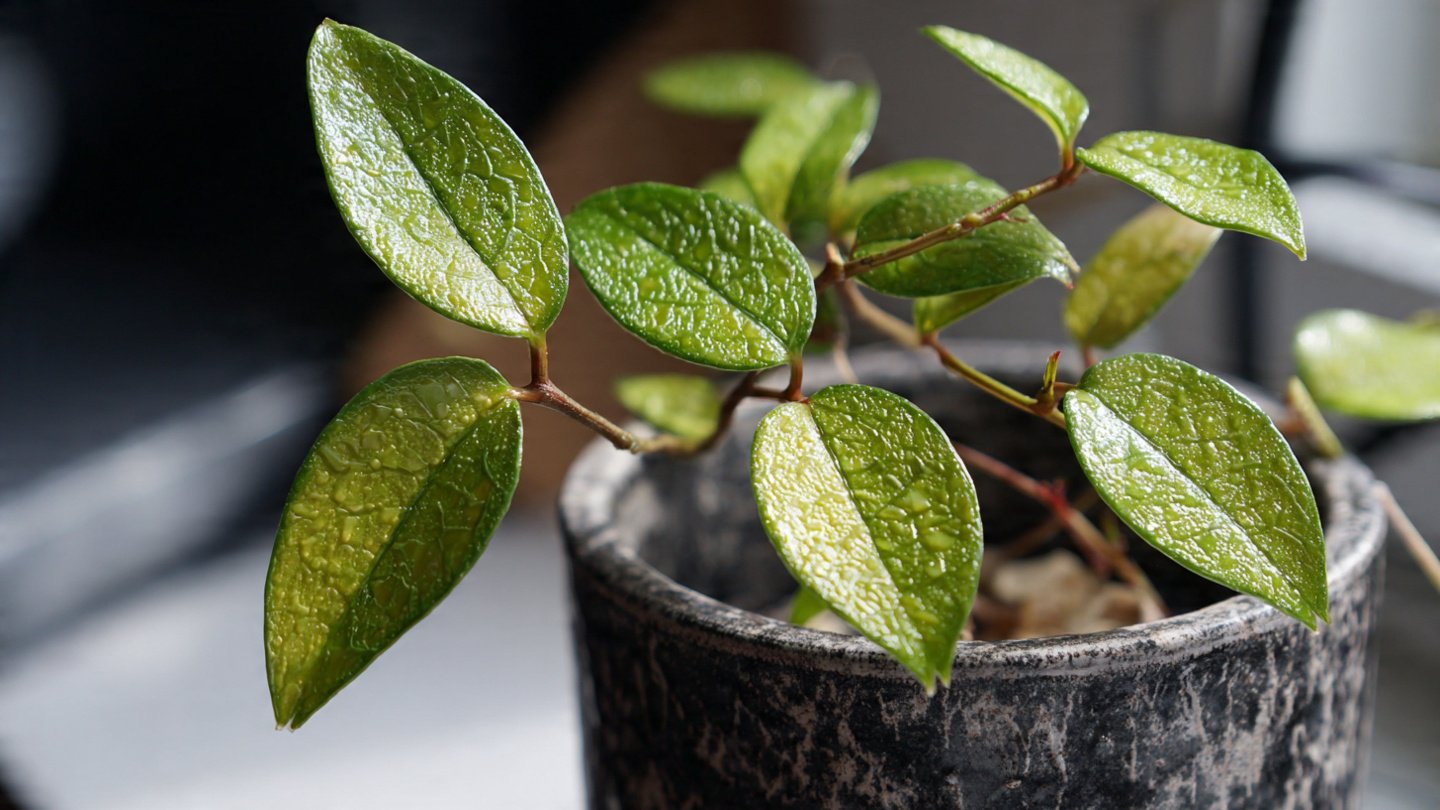
Hoyas, commonly known as wax plants, have become increasingly popular among indoor gardeners due to their attractive leaves and beautiful star-shaped flowers. These tropical plants, native to Asia, thrive in various growing conditions, making them ideal for indoor cultivation. If you’re looking to accelerate the growth of your Hoya plants indoors, you have come to the right place. This article outlines effective strategies, simple techniques, and essential care tips to enhance the growth of your Hoya plants indoors.
Understanding Hoya Plants
Before diving into growth strategies, let’s familiarize ourselves with Hoya plants. They are known for their thick, waxy leaves that store moisture. Hoyas are epiphytic, meaning they naturally grow on other plants and trees, absorbing moisture and nutrients through their leaves. This unique characteristic influences their care indoors. Different species of Hoya exhibit varying growth patterns, leaf shapes, and flower colors, but they generally prefer bright, indirect light and warm temperatures.
1. Optimal Lighting Conditions
Bright, Indirect Light
Light is one of the most critical factors for healthy Hoya growth. While these plants can tolerate low light, they thrive best in bright, indirect sunlight. Placing your Hoya near a window with filtered light can help promote quicker growth.
Rotating Your Plant
To ensure even growth, rotate your Hoya every few weeks. This practice will prevent one side from becoming leggy and underdeveloped while the other flourishes.
Grow Lights
If natural light is limited, consider using grow lights. Full-spectrum LED grow lights can simulate sunlight and are especially beneficial during the long, dark winter months.
2. Proper Watering Techniques
Watering Frequency
Hoya plants prefer to dry out between waterings. Overwatering can lead to root rot, which is a common problem for indoor plant enthusiasts. Ideally, check the soil moisture by inserting your finger about an inch deep. If it feels dry, it’s time to water.
Drainage
Ensure that your pots have drainage holes to allow excess water to escape. Using well-draining potting soil designed for succulents can also help maintain the ideal moisture level.
Methods of Watering
Consider watering your Hoya plants from the bottom. Fill a tray with water and place the pot on top, allowing the soil to absorb moisture through the drainage holes. This method encourages healthy root growth.
3. Humidity and Temperature Control
Maintaining Humidity Levels
Hoyas thrive in environments with moderate to high humidity. If your home is particularly dry, especially during winter months, consider misting your plants or using a humidifier. Placing a pebble tray filled with water beneath the pot can also increase humidity.
Ideal Temperature
Aim to keep your Hoya plants in a warm environment between 60°F and 80°F (15°C to 27°C). Avoid placing them near drafts or heating vents, as sudden temperature changes can stress the plant and hinder growth.
4. Fertilization for Enhanced Growth
Choosing the Right Fertilizer
Hoya plants benefit from regular fertilization during their growing season, typically spring and summer. Use a balanced, water-soluble fertilizer diluted to half-strength every four to six weeks.
Organic Options
If you prefer organic options, consider using compost tea or diluted fish emulsion. These options can provide essential nutrients without the risk of chemical buildup in the soil.
5. Pruning and Training Your Hoya
Pruning Techniques
Pruning not only helps maintain the shape of your Hoya plant but can also promote bushier growth. Remove any dead or yellowing leaves, as well as long, leggy stems. This practice helps the plant focus its energy on healthy growth.
Training the Vines
Hoyas are natural climbers. Providing a trellis or support can encourage vertical growth. Gently tie the vines to a support using soft plant ties, and watch them climb and fill out your indoor space.
6. Repotting for Growth
When to Repot
Regularly check if your Hoya has outgrown its pot. Signs include roots emerging from the drainage holes or stunted growth. Generally, repotting every two to three years is sufficient.
Choosing the Right Potting Mix
Use a well-draining potting mix suitable for epiphytes. A mix that includes orchid bark, perlite, and peat moss can provide excellent aeration and drainage.
Pot Size
When repotting, choose a container that is only slightly larger than the previous one. Overpotting can retain excess moisture and lead to root issues.
7. Pests and Diseases
Identifying Pests
Keep an eye out for common indoor plant pests like aphids, mealybugs, and spider mites. Regularly inspecting your plant can help catch infestations early.
Treatment Options
Use neem oil or insecticidal soap as eco-friendly treatments. Apply them as per the instructions to avoid harming the plant. Also, ensure good air circulation around your plants to reduce the risk of fungal infections.
8. Flowering Techniques
Promoting Flower Growth
To encourage flowering, your Hoya needs to experience slight stress. This can be achieved by slightly reducing water and nutrients when you notice new growth.
Patience is Key
Not all Hoyas flower regularly. Some species may take years before blooming. Patience and consistent care typically yield beautiful results.
Conclusion
By implementing these tips and strategies, you can significantly accelerate the growth of your Hoya plants indoors. Keep in mind that each Hoya has its own unique needs, so paying attention to its specific signs and signals will greatly enhance your success.
FAQs
1. How often should I water my Hoya plant?
Water your Hoya when the top inch of soil feels dry. Generally, this can mean watering every 1-2 weeks, but it may vary depending on humidity and temperature.
2. Do Hoyas require special soil?
Yes, Hoyas prefer well-draining potting soil. A mix designed for orchids or succulents usually works well due to its airy structure.
3. Can I propagate my Hoya plant?
Absolutely! Hoyas can be propagated via stem cuttings. Ensure your cutting has at least one leaf and a node, and place it in water or moist soil until roots develop.
4. Why are my Hoya leaves yellowing?
Yellow leaves can indicate overwatering, underwatering, or nutrient deficiencies. Ensure you’re following proper care routines and adjusting as needed.
5. How long does it take for a Hoya to flower?
The time for flowering varies depending on the species. It can take anywhere from a few months to several years for a Hoya to bloom. Patience is vital!
By using these strategies, you can cultivate a flourishing indoor environment for your Hoya plants and enjoy their beauty for years to come. Happy gardening!