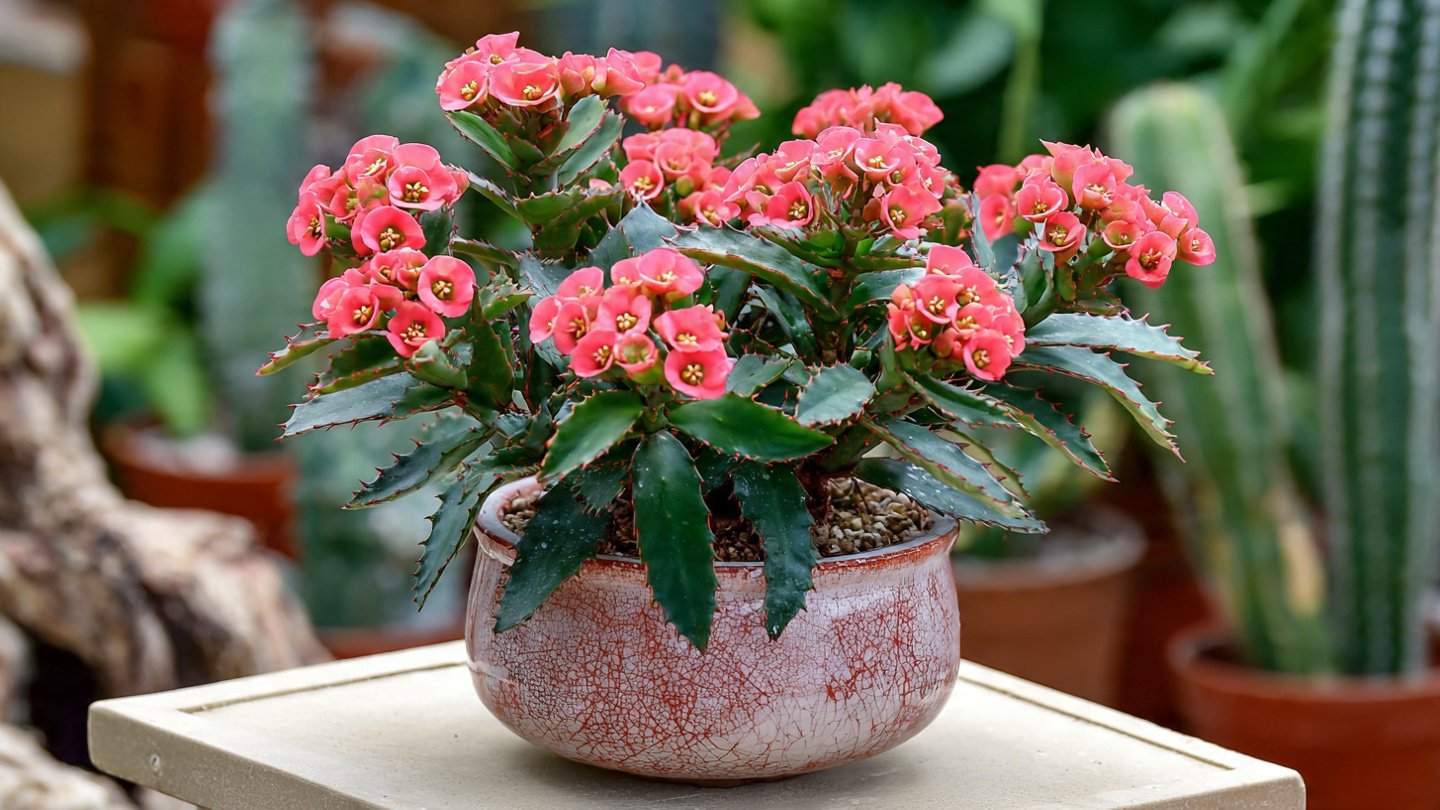
Euphorbia milii, commonly known as Crown of Thorns, is a popular succulent that has captivated gardeners worldwide with its unique beauty and resilience. The ‘Compact’ variety, characterized by its smaller stature and dense growth, is particularly favored for home gardens. With the right strategies, you can successfully cultivate this vibrant plant, even in small spaces. Below, we delve into various techniques, from planting to maintenance, to help you thrive in your gardening journey.
1. Understanding Euphorbia Milii Compact
1.1 Botanical Description
Euphorbia milii belongs to the Euphorbiaceae family. It’s a succulent shrub native to Madagascar, thriving in arid conditions. The Compact variety typically grows to about 1-3 feet tall and features thick, fleshy leaves and striking blooms that range in colors from red, yellow, orange, and pink.
1.2 Growing Conditions
To ensure optimal growth, Euphorbia milii Compact requires warm temperatures, bright light, and well-draining soil. Understanding these conditions will allow you to mimic its natural habitat at home.
2. Planting Euphorbia Milii Compact
2.1 Choosing the Right Container
Select a container that has drainage holes to prevent water logging, which can lead to root rot. For indoor plants, a pot made of terracotta or ceramic is ideal because they breathe well and help regulate moisture.
2.2 Soil Selection
Euphorbia milii does not require overly rich soil. A well-draining potting mix specifically designed for succulents and cacti is the best choice. Alternatively, you can create your blend by mixing equal parts of sand, perlite, and regular potting soil.
2.3 Planting Procedure
-
Preparation: Ensure your pot is clean and dry. If rooting from cuttings, allow them to callus for a few days to prevent rot.
-
Soil Filling: Fill the pot with your chosen soil, leaving about an inch of space at the top.
-
Planting: If planting a cutting, make a small hole in the soil and gently place the cutting, covering the base lightly with soil. For established plants, remove them carefully from their original pots, and place them in the new pot.
-
Watering: After planting, wait a week before watering to give the roots time to settle.
3. Watering Practices
3.1 Watering Frequency
Euphorbia milii Compact is drought-tolerant and prefers infrequent watering. The general rule is to water when the top inch of soil feels dry. This could mean watering every two to three weeks during the growing season and even less frequently in winter.
3.2 Watering Technique
When watering, do so evenly until water drains through the bottom. Avoid splashing the leaves to minimize the risk of fungal diseases.
3.3 Signs of Underwatering and Overwatering
- Underwatering: Leaves may droop or curl.
- Overwatering: Leaves will turn yellow and may drop off, and the stem might start to rot.
4. Light Requirements
4.1 Sunlight Needs
Euphorbia milii Compact thrives in bright, indirect sunlight. A south or west-facing window is often ideal. If growing outdoors, select a location that provides at least 6 hours of direct sunlight each day, especially during the growing season.
4.2 Adjusting to Light Conditions
If you notice your plant becoming leggy or the leaves fading, it may require more light. Conversely, if the leaves are scorched or brown, reduce exposure gradually to protect the plant.
5. Fertilizing
5.1 Types of Fertilizer
Use a balanced, water-soluble fertilizer during the growing season (spring and summer). A formula with a ratio of 10-10-10 is effective.
5.2 Fertilizing Schedule
Fertilize every 4-6 weeks during the growing season, and withhold fertilizer in the fall and winter when the plant is dormant.
6. Pruning Techniques
6.1 Timing
Pruning should be done in the late winter or early spring, before the new growth begins. This helps in shaping the plant and encourages fuller growth.
6.2 Pruning Process
- Tools: Use clean, sharp scissors or shears to minimize the risk of infection.
- Techniques: Trim back any dead or damaged stems and leaves, and shape the plant by cutting back overly long branches.
7. Pest and Disease Management
7.1 Common Pests
Euphorbia milii can be affected by mealybugs, spider mites, and aphids. Regular inspection is crucial.
7.2 Treatment Options
- Natural Remedies: Insecticidal soap or neem oil can be effective.
- Cultural Practices: Keeping the plant well-pruned to promote airflow can help combat infestations.
7.3 Disease Prevention
Root rot is a common problem due to overwatering. Ensure proper drainage and avoid letting the plant sit in water.
8. Overwintering Euphorbia Milii Compact
If you live in colder climates, it’s crucial to protect your Crown of Thorns during winter. Indoor conditions should remain warm (around 65°F to 75°F) with limited watering. If growing outdoors, consider bringing the plant inside as temperatures drop below 50°F.
9. Propagation Techniques
9.1 Stem Cuttings
The easiest way to propagate Euphorbia milii Compact is through stem cuttings:
- Cut a healthy stem about 3-4 inches long.
- Allow it to dry and callus for a few days.
- Plant in well-draining soil and water lightly.
9.2 Offsets
Some plants may produce offsets or ‘pups’ around the base. These can be carefully removed and planted in new pots.
10. Creative Uses in Home Gardens
10.1 Landscaping
Euphorbia milii Compact can be a stunning focal point in rock gardens, desert landscapes, or succulent arrangements. Consider pairing with other drought-tolerant plants for an attractive display.
10.2 Indoor Decor
This plant makes a statement in indoor pots, especially in well-lit areas. Its vibrant blooms can add color to any room.
Frequently Asked Questions (FAQs)
1. Is Euphorbia milii Compact toxic?
Yes, Euphorbia milii is toxic to pets and humans if ingested. Handle with care and keep out of reach of children and pets.
2. Can I grow Euphorbia milii Compact outdoors?
Yes, in suitable climates (USDA zones 10-11), it can thrive outdoors. Ensure it has plenty of sunlight and well-drained soil.
3. How often should I fertilize?
Fertilize every 4-6 weeks during the growing season and refrain from fertilizing in the fall and winter.
4. What should I do if my plant looks unhealthy?
Check for signs of overwatering or pests. Adjust watering habits and treat for pests if necessary.
5. Can I grow Euphorbia milii Compact in low light?
While it can tolerate some low light, the plant thrives in bright direct sunlight for optimal growth and blooming.
6. How do I know when to repot?
If roots are growing out of the drainage holes or the soil seems to dry out quickly, it’s time to repot into a larger container.
7. What are the ideal soil conditions?
A well-draining potting mix, ideally designed for succulents and cacti, is best for Euphorbia milii Compact.
8. When does Euphorbia milii Compact bloom?
Euphorbia milii can bloom year-round under optimal conditions, producing vibrant flowers in various shades.
Conclusion
Cultivating Euphorbia milii Compact in your home garden offers not only an aesthetic delight but also a rewarding gardening experience. By adhering to the outlined strategies—covering aspects from planting to pest management—you can ensure your plant thrives, contributing to your home’s vibrancy and charm. Happy gardening!