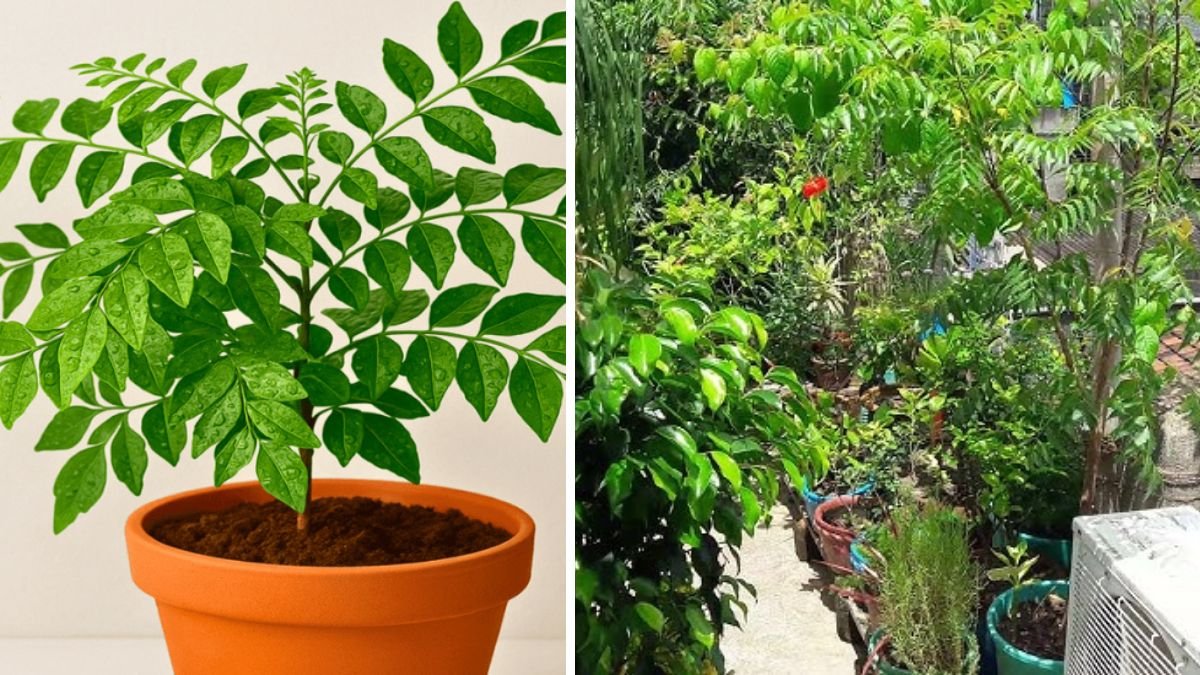
The neem tree (Azadirachta indica), often referred to as the “miracle tree,” is prized for its medicinal properties and its ease of growth. While traditionally grown in the ground, cultivating neem trees in large pots can be a fantastic solution for home gardeners with limited space or those living in urban environments. In this article, we will explore effective strategies for growing neem trees in containers, from selecting the right pot and soil to addressing care requirements. Finally, we’ll address some frequently asked questions.
Understanding the Neem Tree
Before diving into cultivation strategies, it’s important to understand what makes the neem tree unique. Native to South Asia, neem trees can grow up to 20 meters tall and feature dark green, fragrant leaves. These trees are renowned for their medicinal benefits, including antibacterial and antifungal properties, and they also serve as excellent natural pesticides.
Benefits of Growing Neem Trees in Pots
Cultivating neem trees in pots offers several advantages:
- Space Efficiency: Large pots allow urban gardeners limited by space to enjoy the benefits of neem trees without requiring a dedicated garden plot.
- Mobility: Potted neem trees can be moved to optimize sunlight exposure or protected from harsh weather conditions.
- Control Over Soil Quality: Growing in pots allows for better control of soil quality, drainage, and nutrients, which can promote healthier plant growth.
- Aesthetic Appeal: Neem trees can serve as attractive ornamental plants and contribute to indoor air purification.
Choosing the Right Pot
The first step in cultivating neem trees in large pots is selecting the appropriate container. Here are some key considerations:
Size
Choose a pot that is at least 18 inches in diameter to accommodate the root system. Neem trees have extensive root systems, and a larger pot will support healthier growth. Ideally, a pot size of 24 inches or more will be even better for mature trees.
Material
While plastic pots are lightweight and easy to move, they can get very hot, which can stress the roots. Consider using terracotta or glazed ceramic pots, as they provide better insulation and drainage.
Drainage
Make sure the pot has adequate drainage holes at the bottom. Good drainage is essential for preventing root rot, as neem trees do not tolerate standing water.
Selecting the Right Soil Mix
The soil used for potted neem trees must provide excellent drainage while retaining some moisture. Here’s a recommended mix:
- Potting Soil: Start with high-quality potting soil.
- Perlite or Vermiculite: Add 25-30% perlite or vermiculite to improve aeration and drainage.
- Coconut Coir or Peat Moss: Include some coconut coir or peat moss for moisture retention.
The pH level of the soil should ideally be around 6.0 to 7.5, which is conducive to neem tree growth.
Planting Process
1. Preparing the Pot
Before planting, ensure that your pot is clean and free from any previous soil residue. Place a layer of small stones or gravel at the bottom of the pot to facilitate drainage.
2. Adding Soil Mix
Fill the pot with the prepared soil mix, leaving some space at the top to avoid soil spilling when watering.
3. Planting the Seedling
If you’re using seeds, soak them in water for a day before planting. Alternatively, you can purchase neem seedlings or saplings. Plant the seed or seedling in the soil, ensuring that it’s positioned at the same depth as it was in its previous container.
4. Initial Watering
Water the newly planted neem tree thoroughly, allowing the excess water to drain out. This helps to settle the soil around the roots.
Sunlight and Location
Neem trees thrive in full sunlight, requiring at least 6-8 hours of direct sunlight each day. Place your pot in a location that receives ample sunlight, such as a southern-facing balcony or patio.
Rotating the Pot
If you notice that one side of the tree is growing more quickly than the other, rotate the pot periodically. This ensures even growth and prevents the tree from leaning.
Watering Requirements
Neem trees prefer to be kept slightly moist but do not tolerate overwatering. Here are some watering tips:
- Frequency: Water the tree when the top inch of soil feels dry. This could range from once a week to several times, depending on the climate.
- Watering Method: Water deeply to encourage deep root growth, but avoid letting water sit in the pot.
Signs of Overwatering
Look out for yellowing leaves or a mushy stem, both of which indicate overwatering and potential root rot. Adjust your watering schedule accordingly.
Fertilization Strategies
Neem trees benefit from a balanced fertilizer. Here’s a simple fertilization plan:
1. Timing
Fertilize in the spring and summer months, which are the peak growing seasons for neem trees.
2. Type of Fertilizer
Use a slow-release, balanced fertilizer (like a 10-10-10 NPK) or organic options like compost or well-rotted manure.
3. Application
Follow the package instructions for application rates to avoid over-fertilizing, which can harm the tree’s roots.
Pruning and Maintenance
Pruning is essential for maintaining the shape of your neem tree and promoting healthier growth.
1. Timing
Prune your neem tree in late winter or early spring before new growth starts.
2. Techniques
Remove any dead or yellowing leaves and thin out crowded branches to allow sunlight to penetrate the tree’s canopy.
3. Monitoring for Pests
Neem trees are naturally resistant to many pests. However, keep an eye out for common issues like aphids and spider mites. Use neem oil as a natural insecticide if necessary.
Environmental Considerations
Neem trees are generally hardy but may require some protection in extreme weather:
- Cold Temperatures: If you live in an area with cold winters, consider bringing your pot indoors when temperatures dip below 50°F (10°C).
- Heat and Sunburn: If grown outdoors in extremely hot climates, ensure the tree has enough water and consider providing some afternoon shade.
Harvesting and Usage
Once your neem tree matures, you can start utilizing its benefits:
- Leaves: Fresh neem leaves can be used in herbal teas and traditional remedies.
- Seeds: Neem seeds can be pressed to extract oil, known for its medicinal and pest-repellent properties.
- Bark and Flowers: Both the bark and flowers have traditional uses in various medicines.
FAQs
1. How long does it take for neem trees to grow in pots?
Neem trees can take 3-5 years to mature significantly, depending on growing conditions and care.
2. Can neem trees survive indoors?
Yes, neem trees can thrive indoors if they receive plenty of sunlight and are watered carefully. Ensure they are placed near a south-facing window.
3. What pests should I watch for?
Common pests include aphids, whiteflies, and spider mites. Neem oil is effective for controlling these pests organically.
4. How often should I fertilize my neem tree in a pot?
Fertilize every 4-6 weeks during the growth season (spring and summer) and reduce frequency in fall and winter.
5. Can I grow neem trees in a smaller pot?
While it’s possible to start in a smaller pot, neem trees have extensive roots and will eventually outgrow any container less than 18 inches in diameter.
6. What is the ideal temperature for growing neem trees?
Neem trees thrive in temperatures between 70°F and 90°F (21°C to 32°C) and are sensitive to frost.
Conclusion
Cultivating neem trees in large pots can be a rewarding endeavor, providing numerous benefits for home gardeners. By following the outlined strategies—selecting the right pot, using quality soil, ensuring proper watering and sunlight, and maintaining regular care—you can successfully grow this versatile tree in your own home garden. Whether for medicinal use or simply as an ornamental addition, the neem tree is a valuable and sustainable choice for gardeners of all skill levels.