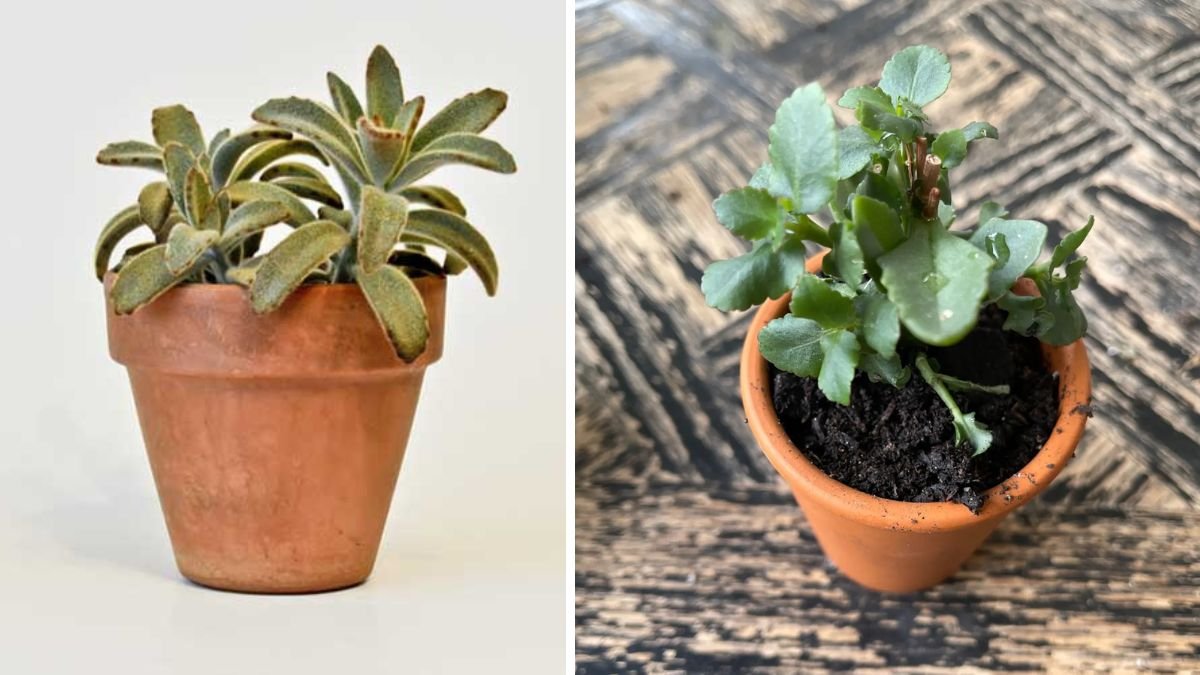
Kalanchoe plants, renowned for their vibrant flowers and hardiness, are popular among indoor gardeners. However, like any plant, they can succumb to diseases, with stem rot being one of the most common issues. This article explores effective natural and organic strategies to prevent stem rot in Kalanchoe plants, ensuring they thrive in your home or garden.
Understanding Kalanchoe Stem Rot
Stem rot in Kalanchoe is typically caused by fungal pathogens that thrive in moist conditions. Symptoms include wilting stems, brown or black discoloration, and water-soaked lesions. If left untreated, it can lead to the death of the entire plant.
Causes of Stem Rot
- Excess Moisture: Overwatering is the primary cause. Kalanchoes prefer well-drained soil and can be sensitive to soggy conditions.
- Poor Drainage: Using pots without drainage holes can trap water, promoting fungal growth.
- High Humidity: High humidity levels, especially in closed environments, can lead to mold and rot.
- Soil Quality: Heavy, compacted soil can retain moisture, increasing the risk of rot.
Effective Strategies for Prevention
1. Proper Watering Practices
One of the most effective ways to prevent stem rot is to establish a proper watering schedule.
- Check Soil Moisture: Use your finger or a moisture meter to assess the moisture level in the soil before watering. Allow the top inch of soil to dry out between waterings.
- Watering Technique: When watering, ensure that you’re giving your Kalanchoe a deep soak without keeping it sitting in water. Drain any excess water from the saucer underneath the pot.
2. Soil Selection
Choosing the right soil mix is critical for Kalanchoe health.
- Use Well-Draining Soil: A cactus or succulent mix is ideal. Alternatively, you can create your own mix by combining potting soil with sand, perlite, or pumice to enhance drainage.
- Amend Soil: Consider adding organic amendments like compost to improve soil health, but use sparingly to avoid moisture retention.
3. Container Choice
The pot you choose can significantly impact your plant’s health.
- Ensure Drainage: Always select pots with drainage holes to prevent water accumulation.
- Use Clay Pots: Terracotta pots are excellent as they allow for moisture to evaporate more quickly than plastic pots.
4. Manage Environmental Conditions
Creating an optimal environment can help mitigate the risk of stem rot.
- Humidity Control: Keep humidity levels low. If growing indoors, use a dehumidifier or place the Kalanchoe in a well-ventilated area.
- Temperature Regulation: Maintain a warm temperature, ideally between 60°F to 80°F (15°C to 27°C), as cooler temperatures can stress the plant and make it more susceptible to diseases.
5. Regular Monitoring and Maintenance
Keeping an eye on your plant’s health can help catch issues early.
- Inspect Regularly: Look for signs of wilting, discoloration, or any other abnormalities. Early intervention can prevent the spread of rot.
- Prune Affected Areas: Use sterilized scissors to remove any rotting stems or leaves to prevent the spread of fungi.
6. Organic Fungicides
Though prevention is key, sometimes plants may need a little more support.
- Neem Oil: A natural fungicide, neem oil can help prevent fungal infections. Mix a few drops with water and spray on the affected areas.
- Baking Soda Solution: A solution of baking soda and water can be used to deter fungal growth. Mix 1 tablespoon of baking soda with 1 quart of water and apply it to the soil and leaves.
7. Companion Planting
Companion planting can enhance the health of Kalanchoe plants.
- Compatible Plants: Grow your Kalanchoe alongside plants that deter pests or fungi, such as marigolds or oregano. These plants can offer protection and enhance your garden’s biodiversity.
8. Proper Fertilization
While fertilizers can help plants grow, improper use can lead to problems.
- Go Organic: Use organic fertilizers, and avoid high-nitrogen fertilizers, which can encourage rapid growth that weakens the plant.
- Feed Sparingly: A balanced, diluted fertilizer can be applied during the growing season (spring and summer) but should be used cautiously to avoid over-fertilization.
9. Cultural Practices
Certain cultural practices can significantly improve plant health and disease resistance.
- Rotate Plants: If growing multiple Kalanchoe, consider rotating their positions to prevent soil-borne diseases from spreading.
- Sanitation: Regularly clean your gardening tools and pots to prevent the introduction of pathogens.
Frequently Asked Questions (FAQs)
1. What are the first signs of Kalanchoe stem rot?
The initial signs of stem rot include wilting stems, black or brown water-soaked spots on stems, and yellowing leaves.
2. How often should I water my Kalanchoe?
Water your Kalanchoe when the top inch of soil feels dry. This typically translates to watering every 1-2 weeks, but frequency may vary based on environmental conditions.
3. Can I save a Kalanchoe with stem rot?
If caught early, you may be able to save a Kalanchoe with stem rot by pruning the affected areas, improving drainage, and adjusting watering habits.
4. Is neem oil safe for Kalanchoe?
Yes, neem oil is safe for Kalanchoe when used in moderation. It’s a natural insecticide and fungicide, effective in combating a variety of issues.
5. Do Kalanchoe plants need direct sunlight?
Kalanchoe thrives best in bright, indirect sunlight. Too much direct sunlight can scald the leaves, while low light can lead to leggy growth and increase disease susceptibility.
6. What should I do if my pot doesn’t have drainage holes?
If your pot has no drainage holes, you should either drill some holes into it or repot the Kalanchoe in a pot that allows excess water to escape.
7. Are there any natural methods to improve soil drainage?
You can improve soil drainage by adding coarse materials like perlite, sand, or pumice to your potting mix, which helps prevent moisture retention.
Conclusion
By implementing these effective strategies, you can significantly reduce the risk of stem rot in your Kalanchoe plants. These organic methods will not only help protect your plants but also enhance their overall health, leading to vibrant blooms and lush foliage. Remember, the key lies in prevention through proper care and attention. Happy gardening!