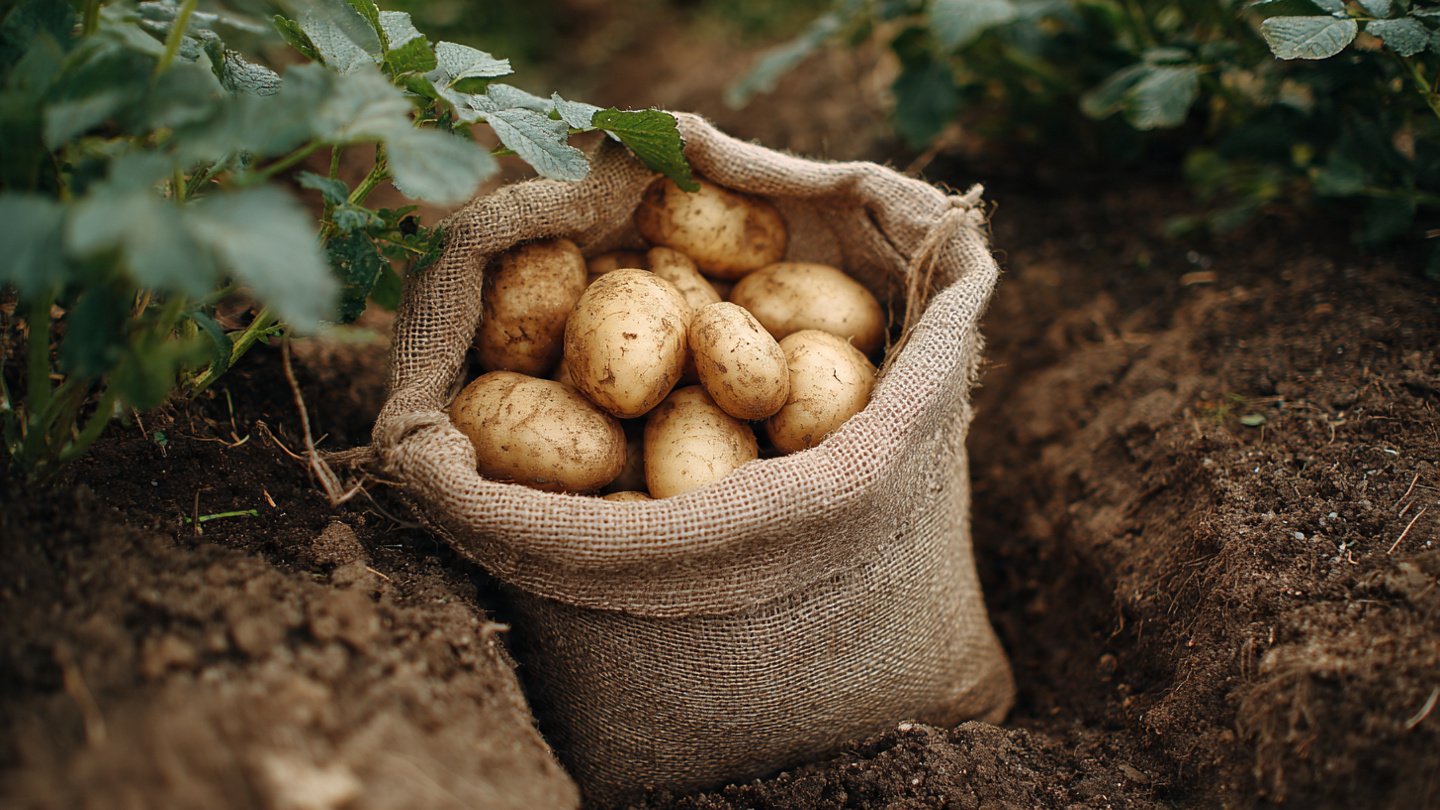
Effective Techniques for Growing Potatoes in Sacks at Home
Growing potatoes in sacks is an innovative and efficient way to cultivate this versatile vegetable, especially for urban gardeners or those with limited space. This method not only conserves space but also provides a manageable and clean way to harvest potatoes. In this article, we will explore effective techniques for growing potatoes in sacks, including the right types of potatoes, soil preparation, watering and fertilization, pest control, and the harvesting process.
Why Grow Potatoes in Sacks?
Growing potatoes in sacks offers several advantages:
- Space Efficiency: It maximizes limited space, making it ideal for people living in apartments or city homes.
- Easy Maintenance: The method minimizes weeds and makes it easier to manage pest issues.
- Clean Harvesting: No digging is required, which means clean potatoes without soil residues.
- Portable: Sacks can be moved easily to optimize sunlight or protect from bad weather.
Choosing the Right Potatoes
Choosing the right variety of potatoes is crucial for success. Here are several types that work well in sacks:
- Early Varieties: Such as ‘Charlotte’, ‘Anya’, and ‘Rocket’, these can be harvested sooner, generally within 10-12 weeks.
- Mid-Season Varieties: ‘Maris Piper’ and ‘Desiree’ grow well and have a good yield.
- Late Varieties: If you have a longer growing season, consider ‘King Edward’ or ‘King Cole’.
Always select certified seed potatoes to ensure they are disease-free.
Preparing the Sacks
Materials Needed
- Sack: Use burlap, grow bags, or any breathable material. The sack should allow for drainage.
- Soil: A mixture of potting soil, compost, and perlite or vermiculite works well. This provides good drainage and nutrients.
- Seed Potatoes: Prepare seed potatoes by cutting them into pieces with at least one eye each. Allow them to dry for a day or two to prevent rot.
Preparation Steps
- Choose a Location: Select a sunny spot where the sacks will receive at least 6-8 hours of direct sunlight daily.
- Fill the Sacks: Fill the bottom half of the sack with the prepared potting mixture. Leave enough space for adding soil as the potatoes grow.
- Planting: Place the seed potatoes just above the soil layer, spacing them out to allow for growth, and cover them with another layer of soil.
Watering Techniques
Watering is crucial for potato growth. Here are some effective techniques:
- Consistent Moisture: Potatoes require consistent moisture, so water the sacks thoroughly after planting. The soil should remain damp but not soggy.
- Timing: Water early in the morning or late afternoon to minimize evaporation.
- Mulching: Adding a layer of straw or grass clippings on top of the soil can help retain moisture.
Fertilization Strategies
Proper fertilization is essential for robust potato growth. Here are some tips:
- Initial Fertilization: When filling the sacks, mix in a balanced fertilizer (like 10-10-10) to provide initial nutrients.
- Mid-way Feeding: About halfway through the growing period, use a high-potassium fertilizer, such as tomato feed, to promote tuber development.
- Organic Options: If you prefer organic gardening, use compost tea or seaweed extracts as alternatives.
Pest Control and Disease Management
Preventing pests and diseases is vital for a healthy potato crop. Here are effective strategies:
- Regular Inspections: Check the plants regularly for signs of pests like aphids, beetles, or fungal issues.
- Companion Planting: Planting marigolds or garlic nearby can deter pests.
- Neem Oil: Using neem oil as a natural pesticide can help control infestations without harming beneficial insects.
- Crop Rotation: Avoid planting potatoes in the same spot each year to prevent disease build-up in the soil.
Harvesting Potatoes from Sacks
Harvesting potatoes grown in sacks is one of the most rewarding parts of the process. Here’s how to do it:
- Timing: Monitor the plants until the foliage wilts and turns yellow, typically around 10-12 weeks for early varieties and 15-20 weeks for late varieties.
- Dumping Method: Lay the sack down and carefully empty the contents onto a clean surface, such as a tarp, to easily collect the potatoes without damaging them.
- Cleaning: Gently brush off any soil, but avoid washing them until you are ready to use them.
Storing Your Harvest
Properly storing harvested potatoes ensures they remain fresh. Follow these tips:
- Cure: Allow potatoes to cure in a dark, cool place for a couple of weeks for better storage capability.
- Ideal Conditions: Store in a dark, well-ventilated area at around 45-50°F (7-10°C).
- Avoid Lights: Potatoes exposed to light will green, which can be harmful if consumed.
The Benefits of Growing Potatoes in Sacks
- Convenience: Sacks can be placed on any flat surface, making them easier to manage than traditional garden beds.
- Sustainability: Sustainable gardening practices can be employed more easily in sacks, such as using organic materials and fertilizers.
- Enhanced Yield: The vertical growth encourages stronger tuber development, often resulting in a larger yield compared to traditional methods.
Common Challenges and Solutions
- Poor Drainage: If water pools at the bottom of the sack, consider adding more perlite to the soil mix or using a more breathable sack material.
- Pests: If pests appear, act quickly with treatment and remove heavily infested plants to protect the rest.
- Insufficient Light: If the sacks are not getting enough sunlight, reposition them for optimal light exposure.
Conclusion
Growing potatoes in sacks is a practical and rewarding gardening method, especially suited for limited spaces. By understanding the right techniques—from selecting varieties to managing pests and harvesting—you can enjoy a fruitful harvest of fresh potatoes right from your home. Whether you are a beginner or an experienced gardener, this method can easily fit into your gardening routine.
FAQs
Q1: How many potatoes can I grow in one sack?
A1: Typically, you can grow about 3-5 seed potatoes in a standard sack, depending on its size.
Q2: How deep should the soil be in the sack?
A2: Initially, fill the sack with about 6 to 8 inches of soil and add more as the plants grow.
Q3: Can I use any type of sack for growing potatoes?
A3: Ideally, use breathable sacks like burlap or specially designed grow bags. Avoid plastic as it traps moisture and can lead to rot.
Q4: How often should I water my potato sacks?
A4: Water when the top inch of soil feels dry. Monitor closely during hot weather, as potatoes need consistent moisture.
Q5: What should I do if my potatoes turn green?
A5: Green potatoes can contain solanine, which is toxic. Avoid eating them; instead, they can be composted or discarded.
By integrating these techniques into your gardening, you can enjoy a productive potato harvest year after year. Happy gardening!