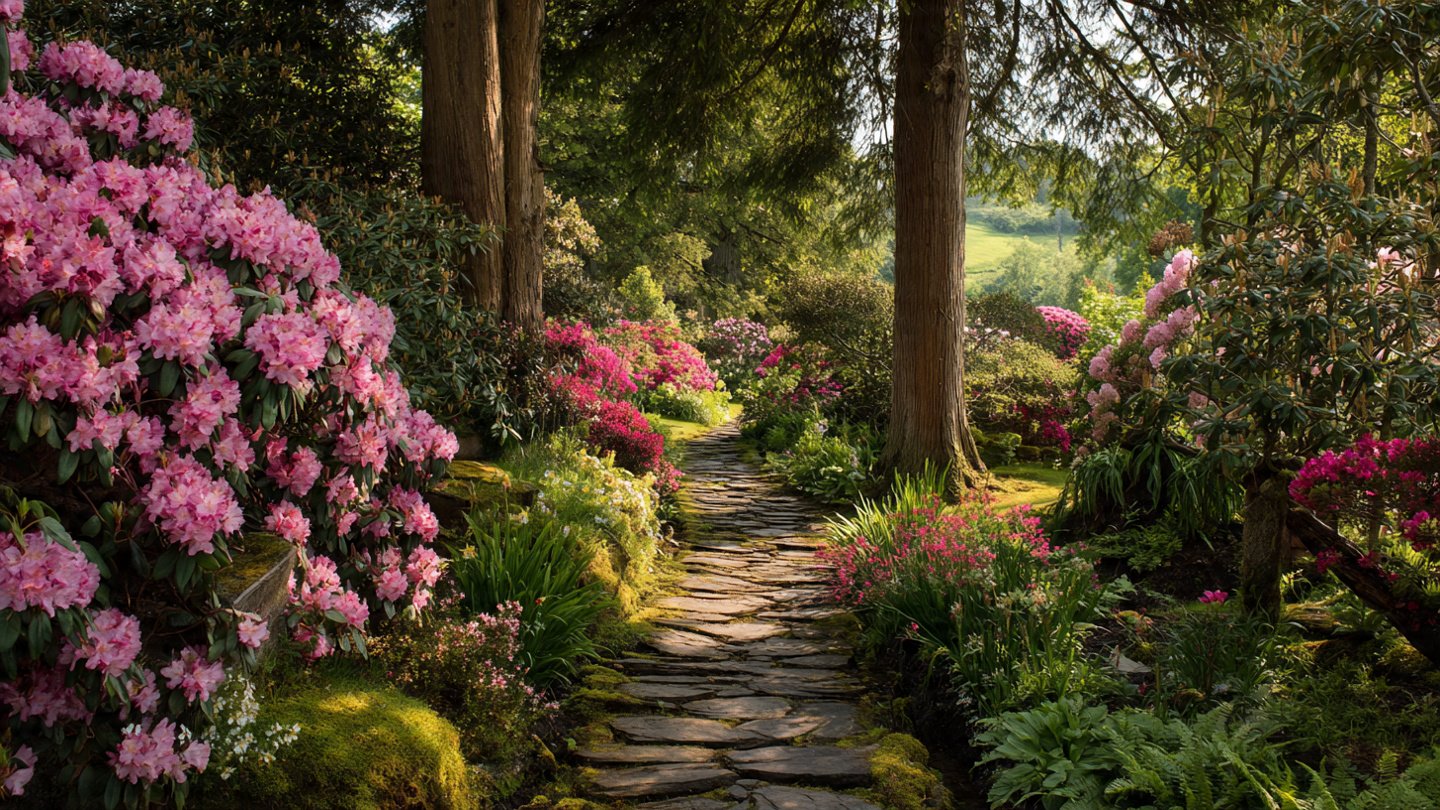
Rhododendrons are among the most beautiful flowering shrubs that can elevate any landscape with their lush foliage and vibrant blooms. Whether you’re a novice gardener or a seasoned horticulturist, understanding the effective techniques for cultivating these majestic plants is essential to ensuring stunning floral displays in your garden. This article will delve into the best practices for planting, caring for, and designing with rhododendrons, alongside addressing common FAQs.
1. Understanding Rhododendrons
1.1 Species and Varieties
Rhododendrons belong to the Ericaceae family, which includes over 1,000 species. They come in a range of varieties, sizes, and colors, allowing gardeners to choose the perfect type for their landscape. Some popular varieties include:
- Rhododendron catawbiense: Known for its hardiness and larger clusters of flowers.
- Rhododendron obtusum: A dwarf species ideal for smaller gardens.
- Rhododendron yakushimanum: Famous for its compact growth and evergreen qualities.
1.2 Growing Zones
Most rhododendrons thrive in USDA hardiness zones 4 through 8. It’s crucial to select varieties that suit your local climate to ensure successful growth.
2. Site Selection
2.1 Light Requirements
Rhododendrons prefer partial shade but can tolerate full sun in cooler climates. Morning sunlight is beneficial, but be cautious of harsh afternoon sun, which can scorch the foliage.
2.2 Soil Conditions
These plants thrive in well-draining, acidic soils with a pH level between 4.5 and 6.0. It’s best to conduct a soil test and amend the soil with organic matter or sulfur if needed.
2.3 Drainage
Rhododendrons dislike standing water; thus, good drainage is critical. Avoid planting in areas where water accumulates after rainfall. Raised beds can help improve drainage.
3. Planting Rhododendrons
3.1 Timing
The best time to plant rhododendrons is in early spring or fall when temperatures are cooler. This allows plants to establish their root systems before the demands of summer heat or winter cold.
3.2 Planting Technique
-
Prepare the Hole: Dig a hole 2 to 3 times the width of the root ball but no deeper than the root ball itself. This promotes better root spreading.
-
Soil Preparation: Mix the excavated soil with organic matter, such as peat moss or compost, to improve soil structure and nutrients.
-
Positioning: Place the rhododendron in the center of the hole at the same depth as it was in the container. Fill in the hole with the amended soil, gently tamping down to remove air pockets.
-
Watering: Water thoroughly after planting. Mulch around the base with organic mulch to retain moisture and suppress weeds.
4. Care and Maintenance
4.1 Watering
Rhododendrons need consistent moisture, especially during dry spells. Regular watering is critical during the first few years after planting, gradually tapering off as plants mature. A deep watering once a week is often sufficient.
4.2 Fertilization
Applying a balanced, slow-release fertilizer formulated for acid-loving plants in early spring promotes healthy growth and vibrant blooms. Avoid over-fertilizing, as it can lead to excessive foliage growth at the expense of flowers.
4.3 Pruning
Pruning helps maintain the shape and health of rhododendrons. Remove dead or diseased stems and spent blooms after flowering to encourage new growth. Ideally, pruning should be done in late spring.
4.4 Pest and Disease Management
Keep an eye out for common pests such as lace bugs and spider mites. Early detection and treatment with insecticidal soap or neem oil can help manage outbreaks. Additionally, maintaining good air circulation around your plants prevents fungal diseases, such as powdery mildew.
5. Designing with Rhododendrons
5.1 Focal Points
Use rhododendrons as focal points in your landscape design. Their vibrant blooms work well in mixed borders, garden beds, or as standalone specimens. Placing them near patios or walkways can allow for close observation of their stunning flowers.
5.2 Companion Planting
Rhododendrons can be paired with other plants that share similar soil and light requirements. Suitable companions include:
- Azaleas: A close relative that offers complementary blooms.
- Heuchera (Coral Bells): For added foliage color and texture.
- Ferns: To enhance the natural woodland feel.
5.3 Layering
In larger landscapes, consider layering rhododendrons with taller plants in the back and shorter ground covers in the front. This not only adds depth but also creates a visually appealing arrangement.
5.4 Seasonal Interest
Choose varieties that bloom at different times to extend the display season. Early bloomers can be paired with late bloomers, creating continuous color throughout spring and early summer.
6. Creating a Microclimate
Depending on your location, creating a microclimate can help protect rhododendrons from temperature extremes. Consider planting them in sheltered areas, such as near walls or larger trees.
7. Winter Protection
7.1 Mulching
Apply a thick layer of mulch around the base in late fall. This insulates the roots and helps regulate soil temperatures.
7.2 Wind Protection
In areas with harsh winter winds, erecting temporary barriers made of burlap or wood can shield young plants and prevent desiccation.
7.3 Snow Load Management
Ensure heavy snow is gently brushed off branches to prevent breakage.
FAQs
Q1: How often do rhododendrons bloom?
Rhododendrons typically bloom once a year during the spring, but the bloom duration can last several weeks depending on the variety.
Q2: Can rhododendrons grow in full sun?
While they can tolerate some sun, it’s ideal to plant them in partial shade to avoid leaf scorch, especially in hotter climates.
Q3: Why are the leaves of my rhododendron turning yellow?
Yellowing leaves may signify poor drainage, nutrient deficiencies, or pH imbalance in the soil. Conduct a soil test to determine the necessary amendments.
Q4: How do I propagate rhododendrons?
Rhododendrons can be propagated through softwood cuttings taken in late spring or by layering branches. Ensure proper conditions for rooting to achieve success.
Q5: What is the lifespan of a rhododendron?
With proper care, rhododendrons can live for several decades, with some varieties lasting over 100 years.
Q6: Can I grow rhododendrons in containers?
Yes, rhododendrons can be grown in containers. Be sure to choose a large pot with drainage holes and use acidic potting soil. Regular watering and fertilization will be crucial for container plants.
Conclusion
Rhododendrons can create a stunning visual impact in any landscape with their extraordinary flowers and lush foliage. By following these techniques for site selection, planting, care, and landscape design, you can ensure your rhododendrons flourish and provide lasting beauty. Whether you are designing a new garden or enhancing an existing one, incorporating these magnificent plants will undoubtedly enhance your outdoor space.