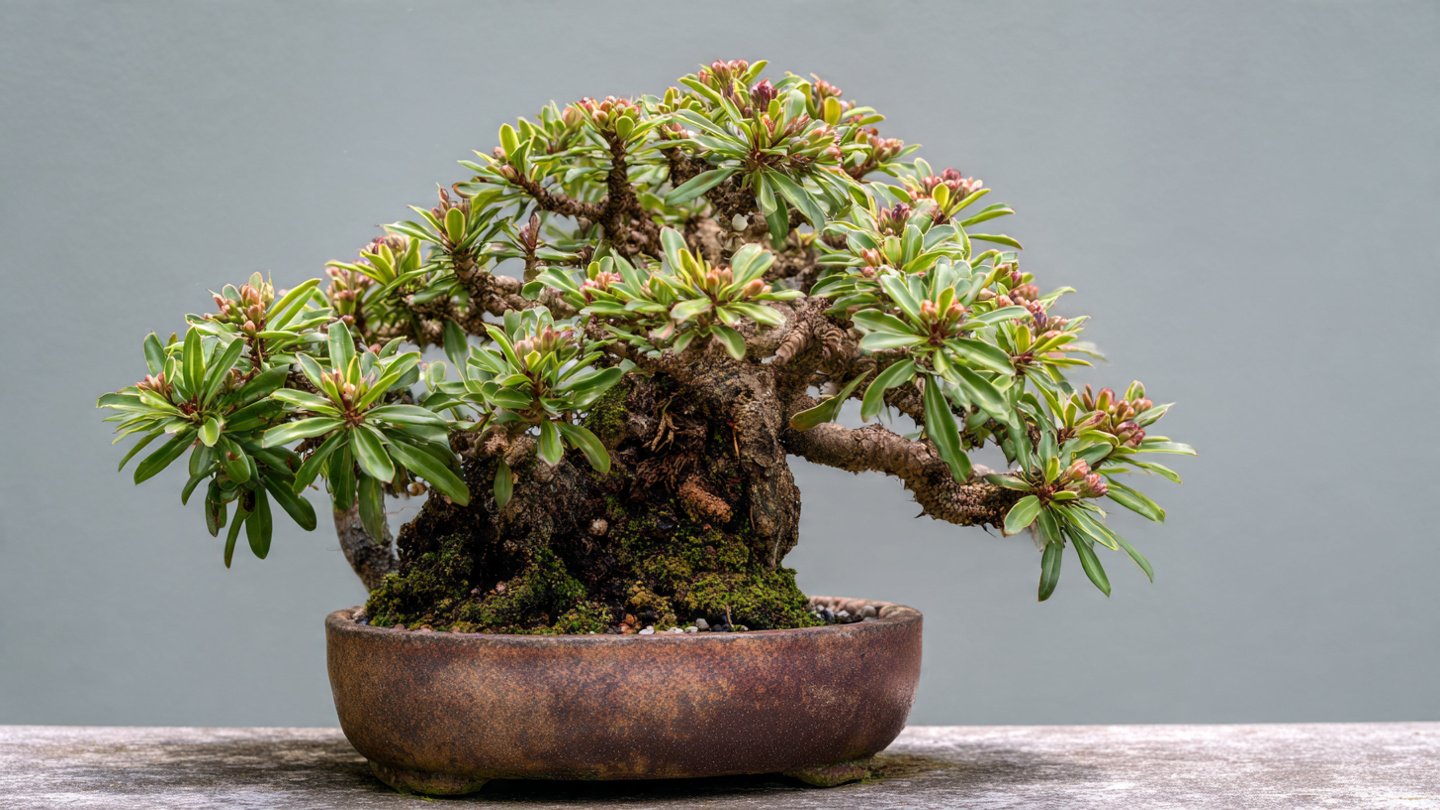
Crown of thorns (Euphorbia milii) is a distinctive succulent native to Madagascar, valued for its hardiness, low maintenance needs, and striking flowers. When combined with the ancient art of bonsai, this plant can offer a captivating option for enthusiasts looking to create a unique living sculpture. In this article, we’ll explore essential tips for cultivating crown of thorns in a bonsai style, ensuring a flourishing and stunning result.
Understanding Crown of Thorns
Characteristics of Crown of Thorns
Crown of thorns is characterized by thick, succulent stems and vibrant flowers that appear year-round under optimal conditions. The plant’s tolerance to drought makes it a favored choice for bonsai, as it requires minimal watering and adapts well to varying conditions.
Ideal Growing Conditions
Crown of thorns thrives in warm climates with plenty of sunlight. A location with full sun for at least six hours daily will yield the best results, alongside well-draining soil to prevent root rot.
Preparing for Bonsai Cultivation
Choosing the Right Specimen
Select a healthy crown of thorns specimen, ideally a younger plant with a robust central trunk and multiple branches. This will allow for better shaping and a more aesthetically pleasing tree form.
Gathering Necessary Tools
To successfully bonsai your crown of thorns, gather the following tools:
- Pruning Shears: Useful for shaping and maintaining your plant.
- Wire: Aluminums or copper bonsai wire helps shape the branches and trunk.
- Mesh Drainage Screens: These are vital to protect the draining holes and keep soil intact.
- Well-draining Soil: A mix that retains moisture but drains excess water. A combination of cactus mix and pumice works well.
- Watering Can: For careful watering, avoiding over-saturation.
Step-by-Step Process to Cultivate Crown of Thorns as Bonsai
1. Initial Pruning and Shaping
Once you have selected a suitable plant, the first step involves pruning. Trim back excessive growth, focusing on maintaining a balanced shape. Cut branches at an angle just above a leaf or bud, stimulating future growth while keeping the overall silhouette attractive.
Tips for Effective Pruning
- Timeframe: Best done in spring, when the plant is actively growing.
- Avoid Over-pruning: Retain enough foliage to support the plant’s health.
- Wear Gloves: Crown of thorns has a milky sap that can irritate skin.
2. Wiring for Shape
Wiring is essential to bonsai cultivation and allows you to manipulate the branches and trunk.
Wiring Techniques
- Start at the base of the trunk and wrap the wire around it in a spiral.
- As you move upward, wire the branches while being careful not to damage them.
- Make gentle adjustments to bend branches into the desired position.
3. Repotting
Repot crown of thorns every two years, ideally in the spring. This ensures that the plant maintains a healthy root system while allowing for proper growth.
Repotting Steps
- Remove the plant from its pot and gently loosen the roots.
- Trim any dead or damaged roots.
- Place the plant in a new pot with fresh soil and position it correctly to maintain the preferred shape.
4. Watering and Fertilizing
Crown of thorns has moderate water needs. Allow the soil to dry out between watering sessions. During the growing season, consider using a diluted, balanced liquid fertilizer every four to six weeks to boost growth.
5. Light and Temperature Requirements
Ensure your crown of thorns receives ample sunlight. If growing indoors, place it near a south-facing window. Maintain a temperature range of 60°F to 80°F (15°C to 27°C).
6. Monitoring for Pests and Diseases
While crown of thorns is generally pest-resistant, keep an eye out for mealybugs and aphids. If detected, treat promptly with insecticidal soap or neem oil. Prevent diseases by ensuring good air circulation and avoiding wet foliage.
Styling Techniques for Unique Bonsai Aesthetics
1. Emphasizing the Trunk
One of the most appealing features of bonsai is the emphasis on the trunk. Consider using techniques like jin (deadwood) or shari (stripped bark) to add age and character. These techniques emphasize the natural beauty and uniqueness of your crown of thorns.
2. Adding Rocks and Other Elements
Incorporating rocks or other elements can enhance the overall aesthetic of your bonsai. Use flat stones to create a natural look, simulating a plant growing in rocky terrain.
3. Developing Foliage
While the crown of thorns’ flowers are visually striking, maintaining a balanced canopy is essential. Trim foliage to encourage even distribution, focusing on the upper and outer sections of the tree.
4. Seasonal Considerations
During the winter months, reduce watering, as the plant enters a dormant phase. Consider moving your bonsai to a warmer, brighter location to prevent leaf drop and maintain health.
Displaying Your Bonsai Crown of Thorns
Building a display area for your bonsai can elevate its beauty. Select a simple, elegant pot that complements the plant. Consider placing your bonsai on a stand to enhance the visual effect further, elevating it to eye level.
Indoor vs. Outdoor Display
- Indoors: Ensure good light and reduce drafts.
- Outdoors: Shield from extreme elements, especially heavy rain and frost.
FAQs
1. How often should I water my crown of thorns bonsai?
Water when the soil is dry to the touch, typically every 1-2 weeks, depending on the climate and season.
2. Can I grow crown of thorns bonsai indoors?
Yes, but ensure it gets plenty of sunlight, ideally in a south-facing window.
3. What kind of fertilizer should I use?
A diluted balanced liquid fertilizer every four to six weeks during the growing season works best.
4. How do I encourage flowering?
Ensure your plant receives enough sunlight and avoid excessive fertilization, which can promote green growth over flowers.
5. How do I shape the crown of thorns effectively?
Use pruning and wiring techniques, focusing on the timing and gentle manipulation to achieve the desired shape without damaging the plant.
6. When is the best time to repot my bonsai?
Repotting should be done in the spring, typically every two years, to promote healthy root growth.
Conclusion
Cultivating crown of thorns in a unique bonsai style combines the beauty of succulent plants with the artistry of bonsai techniques. By following the essential tips provided here, you can create a stunning, low-maintenance piece of living art that can thrive indoors or outdoors. With patience and care, your bonsai will continue to flourish and bring joy for years to come.