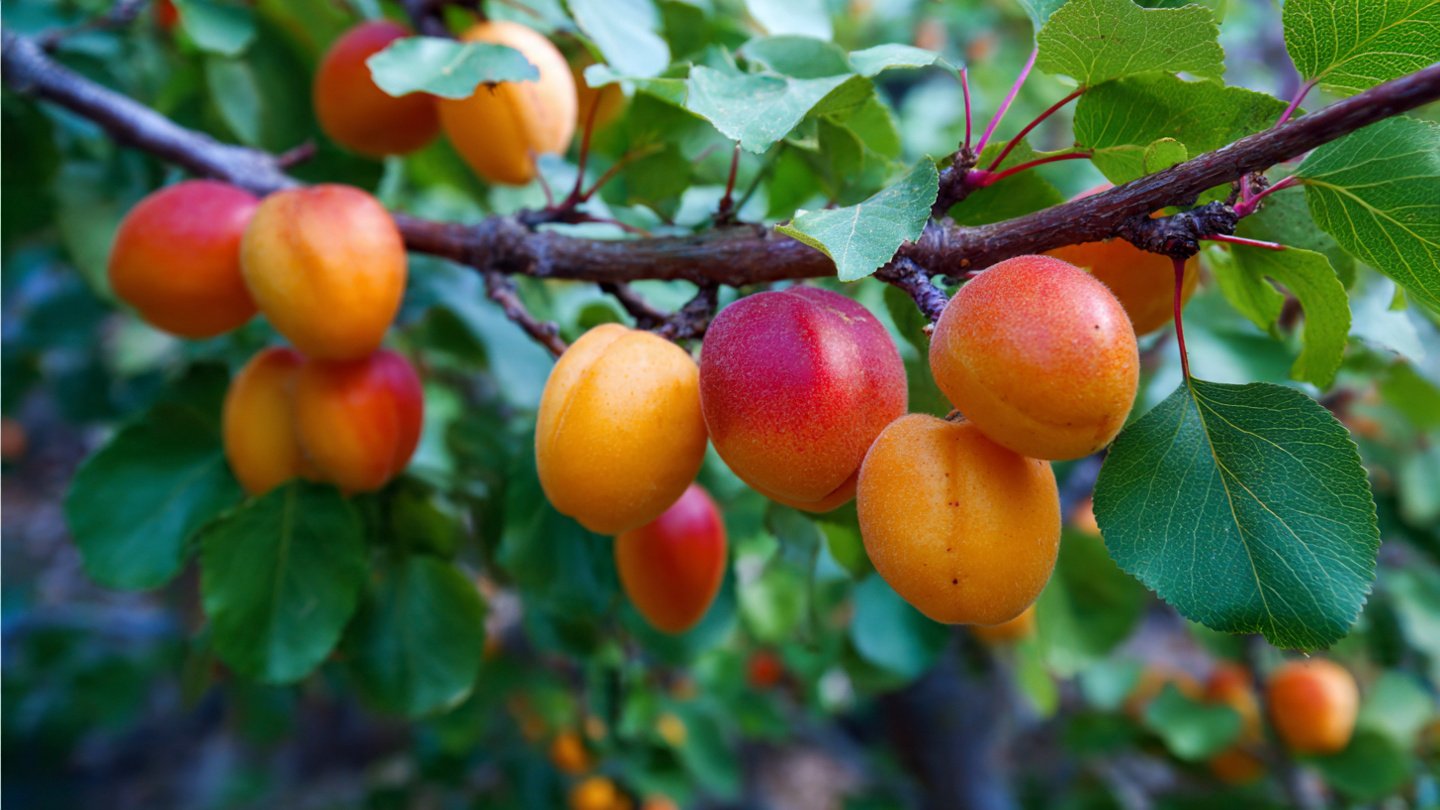
Growing apricots in your garden can be a fulfilling and rewarding endeavor. With their sweet, juicy flesh and vibrant orange color, apricots are not only delicious but also packed with vitamins A and C, fiber, and antioxidants. However, like any fruit tree, apricots require specific conditions and care to thrive. This article will provide you with essential tips for growing healthy apricots, helping you cultivate a bountiful harvest.
1. Choosing the Right Variety
There are numerous varieties of apricots, and selecting the right one for your climate and garden conditions is crucial. Some popular varieties include:
- Tilton: Known for its excellent flavor and can tolerate a range of climates.
- Katy: A low-chill variety suitable for warmer regions.
- Chinese Apricot: Has a unique flavor and is ideal for milder climates.
Research your local climate and select a variety that can flourish in your area’s specific conditions.
2. Climate Requirements
Apricots thrive best in temperate climates. They require:
- Chill Hours: Apricot trees need a certain number of chill hours (periods of cold temperatures) to set fruit successfully. Most require between 300 to 1,000 chill hours, depending on the variety.
- Heat: Apricots flourish in warmer conditions; however, they are not overly tolerant of extreme heat or humidity.
Understanding your specific climate will help you make informed decisions about the best apricot varieties to grow.
3. Soil Preparation
Apricots prefer well-drained, sandy loam soil with a pH of 6.0 to 7.5. Here are some steps to prepare your soil:
- Testing: Conduct a soil test to determine pH and nutrient levels. You can purchase soil testing kits or send samples to local agricultural extensions.
- Amending: Based on your soil test results, amend the soil with organic matter like compost to improve drainage and nutrient content.
- Aeration: If your soil is compacted, consider tilling to aerate it.
Good soil preparation will set the stage for healthy root growth.
4. Planting
Once you’ve selected your apricot variety and prepared the soil, it’s time to plant:
- Timing: The best time to plant apricots is in the spring, after the last frost.
- Spacing: When planting multiple trees, space them 12 to 15 feet apart to allow for adequate air circulation and sunlight.
- Depth: Dig a hole that is twice as wide as the root ball and deep enough to accommodate the roots. Place the tree so that the graft union (if applicable) is above soil level.
Water the tree thoroughly after planting to help it establish itself.
5. Watering
Apricots require regular watering, especially during hot summer months. Here are some tips:
- Frequency: Water deeply once a week, allowing the soil to dry slightly between watering.
- Mulching: Apply a layer of organic mulch (like straw or wood chips) around the base to retain moisture and suppress weeds.
- Avoid Overwatering: Ensure the soil drains well to prevent root rot.
Striking the right balance in watering will encourage healthy tree growth and fruit production.
6. Fertilization
Apricot trees benefit from regular fertilization to promote healthy growth and fruiting. Here’s how to fertilize properly:
- Time of Year: Fertilize in early spring as new growth begins.
- Type of Fertilizer: Use a balanced fertilizer with equal parts nitrogen, phosphorus, and potassium (such as a 10-10-10 formulation).
- Application Rate: Follow package instructions for application rates based on the tree’s age and size. Generally, young trees need less fertilizer than mature trees.
Over-fertilizing can lead to excessive vegetative growth at the expense of fruit production, so adhere closely to recommended guidelines.
7. Pruning
Pruning is essential for maintaining the health of apricot trees. To ensure good airflow and light penetration, follow these pruning guidelines:
- When to Prune: Late winter or early spring is the best time to prune apricot trees before they start to bud.
- Techniques: Remove any dead, diseased, or crossing branches. Aim to create an open center structure with an upward growth pattern.
- Thinning: If blossoms are too dense, thin out some to reduce stress on the tree and improve fruit size.
Regular pruning will help maintain shape and health while encouraging fruitful yields.
8. Pest and Disease Management
Apricot trees face various pests and diseases. Some common ones include:
- Brown Rot: A damaging fungal disease affecting blooms and fruit. Prevent by ensuring proper air circulation and avoiding overhead watering. Remove any infected fruit promptly.
- Aphids: These pests suck sap from leaves. Control them using insecticidal soap or introduce beneficial insects like ladybugs.
- Scab: This fungal disease causes dark spots on leaves and fruits. Maintain good airflow and remove fallen leaves in the fall to prevent spread.
Regular inspection of your apricot trees will help you catch any issues early and take appropriate action.
9. Harvesting
Knowing when to harvest your apricots is key for ensuring optimal taste and texture:
- Timing: Most apricot varieties are ready to harvest in late summer. Look for a firm yet slightly soft texture and a rich aroma.
- Color: The fruit should change from green to a vibrant orange color.
- Harvest Method: Gently twist the fruit and tug. If it comes off easily, it’s ready. Avoid pulling too hard to prevent branch damage.
Harvesting at the right time ensures the best flavor and nutritional value.
10. Storage
After harvesting, proper storage is essential to maintain the quality of apricots:
- Short-term: Store apricots at room temperature until fully ripe. Once ripe, they can be kept in the refrigerator for up to a week.
- Long-term: For longer storage, consider drying or canning apricots.
- Freezing: Apricots can also be frozen. Spread them out on a baking sheet to freeze individually before transferring them to a freezer bag.
Proper storage techniques help prolong the enjoyment of your apricot harvest.
FAQs
1. Can apricot trees grow in pots?
Yes, apricot trees can be grown in pots, but you should choose dwarf varieties to ensure they remain manageable in size. Ensure the pot has proper drainage and use high-quality potting soil.
2. How often should I water my apricot trees?
Water your apricot trees deeply once a week, allowing the soil to dry slightly between waterings. Adjust based on rainfall and heat conditions.
3. When do apricot trees bear fruit?
Apricot trees can begin to bear fruit in their third year, but this can vary based on the variety and growing conditions.
4. What is the best fertilizer for apricot trees?
A balanced fertilizer with equal ratios of nitrogen, phosphorus, and potassium, such as a 10-10-10 formulation, is ideal for apricot trees.
5. How do I know if my apricot is ripe?
Ripe apricots will have a vibrant orange color and a slightly soft texture. They should also emit a sweet fragrance.
6. How can I prevent pests in my apricot trees?
Regularly inspect your apricot trees for signs of pests. Use insecticidal soap or introduce beneficial insects, such as ladybugs, to control populations naturally.
7. Are apricot pits safe to eat?
Apricot pits contain amygdalin, which can release cyanide when digested. It’s best to avoid eating the pits.
8. What should I do if my apricot tree isn’t producing fruit?
Lack of fruit can be due to several factors, including wrong variety selection for your climate, inadequate pollination, poor soil health, or improper care. Assess these factors and adjust your care routine accordingly.
With the right variety, careful planning, and proper care, growing apricots in your garden can be an incredibly rewarding experience. Follow these essential tips, and you’ll be well on your way to enjoying delicious, ripe apricots right from your own backyard!