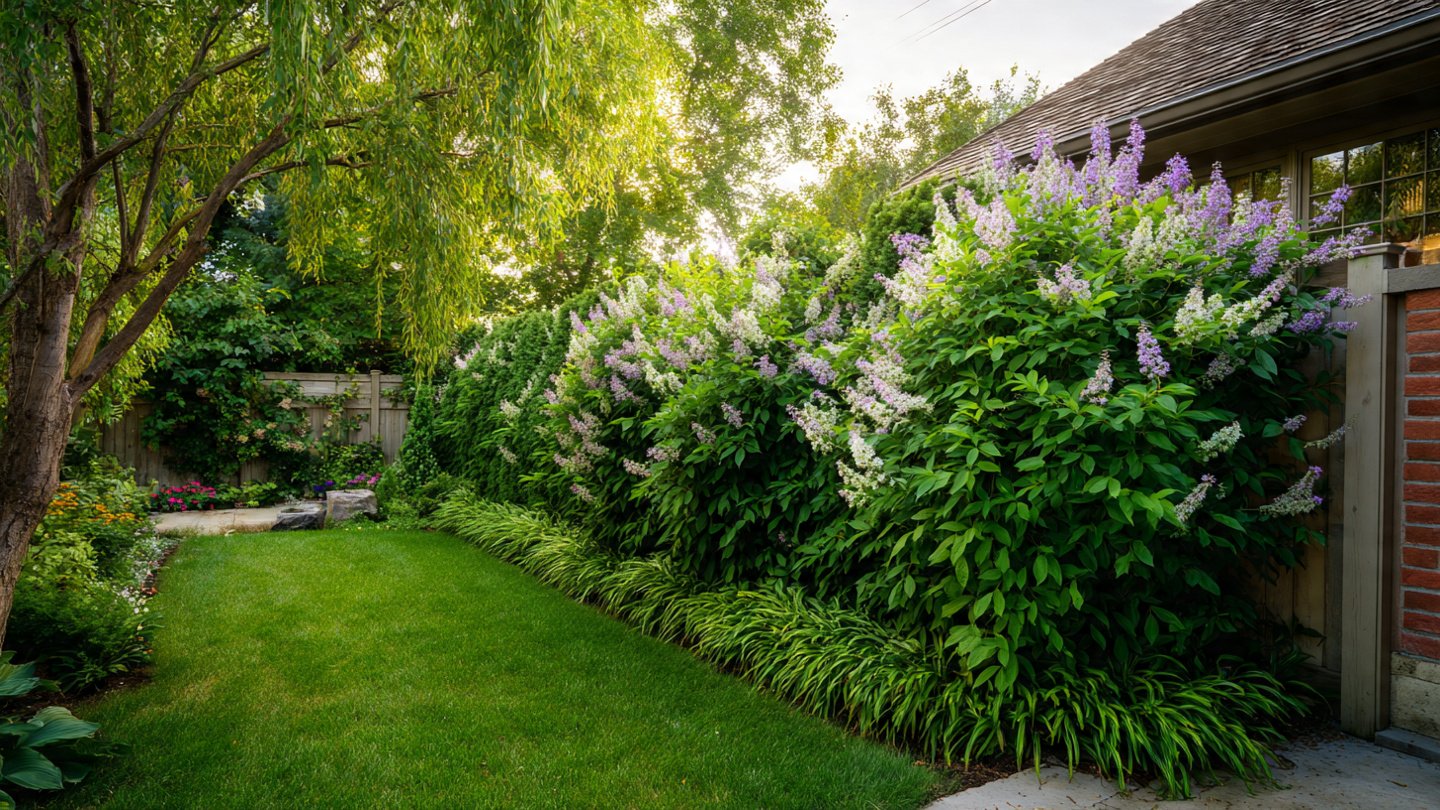
In an era where privacy has become increasingly valued, the importance of outdoor spaces that provide a sense of seclusion cannot be overstated. One effective and environmentally friendly way to achieve a sense of privacy in your garden or yard is by cultivating boundary plants. These plants not only enhance privacy but also add beauty and value to your outdoor space. In this article, we’ll delve into the myriad benefits of growing boundary plants and how they can transform your outdoor environment.
Understanding Boundary Plants
Boundary plants are shrubs, trees, and other plants strategically placed along property lines or within outdoor areas to provide a natural barrier. These plants can vary in height, density, and type, allowing for a customizable approach to privacy.
Types of Boundary Plants
- Hedge Plants: Commonly used to create formal or informal hedges, these can include species like boxwood, yew, or holly.
- Trees: Tall trees like arborvitae, cypress, or maple can provide significant vertical barriers.
- Climbing and Vining Plants: Many gardeners use trellises with climbing plants such as ivy or wisteria to create vertical privacy.
- Perennials and Annuals: Lower-growing border plants can be part of a layered approach, offering a colorful and vibrant barrier.
Benefits of Growing Boundary Plants
1. Enhanced Privacy
The most obvious benefit of boundary plants is the privacy they provide. By creating a natural screen, you minimize the visibility of your outdoor space from neighbors, pedestrians, and passersby. This can lead to a more relaxed and enjoyable outdoor experience, whether you’re entertaining guests or simply unwinding after a long day.
2. Aesthetic Appeal
Boundary plants can significantly enhance the beauty of your outdoor area. With a vast array of colors, textures, and heights, these plants can create a visually appealing landscape. By thoughtfully selecting plants that complement your garden design, you can establish a pleasing focal point that adds depth to your outdoor setting.
3. Noise Reduction
Strategically placed boundary plants can absorb and deflect sound. Dense foliage serves as a natural sound barrier, which can be particularly advantageous in urban areas where noise pollution might be prevalent. The rustling leaves and chirping birds can create a serene and soothing environment, enhancing your overall outdoor experience.
4. Wind Protection
Boundary plants can act as windbreaks, offering protection from strong winds. This is beneficial not only for creating a more comfortable outdoor area but also for protecting other plants and structures on your property. Less exposure to wind can also improve microclimates, which is especially important for sensitive plants.
5. Increased Property Value
Investing in boundary plants can enhance the overall curb appeal of your home, thereby increasing its market value. Potential buyers often appreciate well-maintained outdoor spaces that provide privacy and beauty. A thoughtfully landscaped garden can set your property apart in a competitive real estate market.
6. Wildlife Habitat
Growing boundary plants can foster biodiversity by providing habitats for various birds, insects, and small mammals. Native plants, in particular, attract pollinators, contributing to the overall ecosystem health of your area. Creating a sanctuary for wildlife adds an enriching dimension to your garden and promotes environmental sustainability.
7. Environmental Benefits
Boundary plants contribute to environmental health in several ways. They can help reduce erosion, improve air quality by absorbing pollutants, and enhance water retention in the soil. Additionally, plants are vital for carbon sequestration, helping reduce greenhouse gases in the atmosphere.
8. Seasonal Interest
Boundary plants can provide visual interest throughout the year. Many species offer colorful flowers in spring and summer, vibrant foliage in the fall, and interesting bark or structure in the winter. This seasonal variation can enhance the aesthetic appeal of your outdoor space, making it a year-round destination.
Choosing the Right Boundary Plants
When considering boundary plants for your outdoor space, several factors come into play:
- Climate: Choose plants that are well-suited to your local climate. Native species often perform best.
- Soil Type: Consider the soil conditions in your garden. Some plants thrive in sandy soils, while others prefer clay or loamy conditions.
- Light Conditions: Assess whether your boundary area receives full sun, partial shade, or full shade to select appropriate plants.
- Space Availability: Take into account the available space and the mature size of the plants to avoid overcrowding.
- Maintenance Requirements: Some plants require more care and pruning than others. Choose species that align with your maintenance capability and preferences.
Designing Your Boundary Planting
1. Layering
Create visual interest by layering your plants. Taller plants can be placed at the back or center (if it’s an island bed), with shorter plants in front. This method not only enhances aesthetics but also maximizes privacy.
2. Mixing Textures and Colors
Choose a variety of plants that offer different leaf shapes, colors, and blooming seasons. This will keep your space visually appealing throughout the year.
3. Consider Year-Round Coverage
Select a mix of evergreen and deciduous plants to ensure privacy year-round. Evergreens provide continuous coverage, while deciduous plants can offer rich seasonal colors.
4. Maintenance Plan
Establish a maintenance plan to keep your boundary plants healthy and thriving. Regular pruning, watering, and feeding will ensure your plants grow densely and provide optimal privacy.
FAQs
Q1: How long does it take for boundary plants to grow enough for privacy?
A1: The growth rate depends on the species of plant, soil quality, and care provided. Some fast-growing options, like leyland cypress or bamboo, can provide privacy within a few years, while slower-growing plants may take several years longer.
Q2: Are there specific boundary plants that are best for small spaces?
A2: Yes! For small spaces, consider using columnar or dwarf varieties of trees and shrubs, such as ‘Sky Pencil’ holly or dwarf boxwood. Climbing plants on trellises can also maximize vertical space without taking much room.
Q3: How can I maintain my boundary plants for optimal growth?
A3: Routine care includes regular watering, proper pruning, fertilization, and pest management. Be mindful of the specific needs of each plant species you choose.
Q4: Can boundary plants be used in urban settings effectively?
A4: Absolutely! Many boundary plants are well-suited for urban environments. Consider species that are adaptable to pollution and confined spaces, such as Japanese holly or columnar trees for narrow strips.
Q5: Are there any boundary plants that are non-invasive?
A5: Yes, many boundary plants are non-invasive. Native plants, such as serviceberry or native grasses, are often a good choice as they tend to support local wildlife without overwhelming ecosystems.
Conclusion
Growing boundary plants is a sustainable and aesthetically pleasing solution for enhancing privacy in your outdoor space. By carefully selecting and designing your plantings, you can create a sanctuary in your backyard that not only looks beautiful but also offers a multitude of benefits. From increasing property value to fostering biodiversity, boundary plants play an integral role in transforming and enriching our outdoor environments. With careful planning and care, your boundary plants can thrive, ensuring that you enjoy the privacy and peace that come from a well-designed outdoor space.