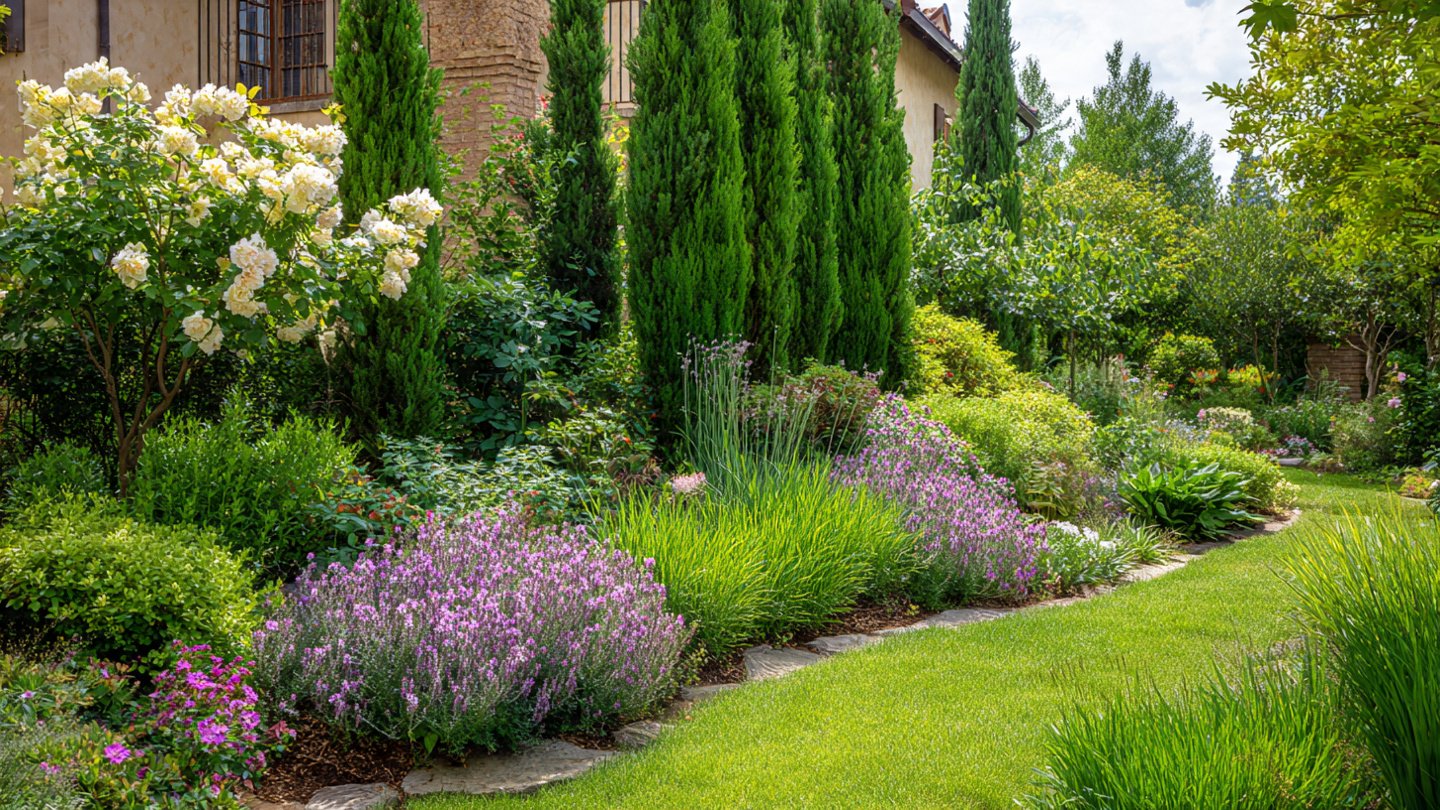
Garden design has evolved significantly over the years, moving from traditional layouts to more innovative and functional approaches, one of which is layered garden design. This technique emphasizes using a combination of plants at different heights and densities to create a visually appealing and dynamic landscape. Among the various plants that can be employed in a layered garden, tall shrubs hold a special place. This article delves into the benefits of employing tall shrubs in layered garden design, focusing on their aesthetic appeal, functionality, and ecological advantages.
Understanding Layered Garden Design
Layered garden design is a strategy that combines various plant heights and structures to create a three-dimensional garden. This design method can transform any outdoor space—from small backyards to expansive landscapes—into a rich and vibrant visual experience. The concept stems from both natural ecosystems, where plants are found in various strata, and the practical needs of gardeners aiming for aesthetic beauty and functional biodiversity.
Key Features of Layered Garden Designs
-
Height Variation: The most distinctive feature of layered design is the strategic arrangement of plants in varying heights—tall, medium, and low. This creates visual depth and interest.
-
Seasonal Diversity: By incorporating plants that bloom at different times of the year, a garden can maintain aesthetic appeal across all seasons, providing constant visual pleasure.
-
Ecological Functionality: Layered gardens can support local wildlife by providing diverse habitats, food sources, and shelter.
Benefits of Using Tall Shrubs
In the context of layered garden design, tall shrubs serve a multitude of roles that enhance the garden’s beauty and functionality.
1. Aesthetic Significance
Tall shrubs contribute significantly to the overall aesthetic of a garden. Here’s how:
-
Structure and Form: Tall shrubs create a structural backbone for the garden, framing the space and guiding the eye. These vertical elements can break the monotony of flat landscapes, creating a sense of height and grandeur.
-
Backdrop for Other Plants: Tall shrubs can serve as a backdrop for shorter plants, providing contrast and highlighting their features. This layering can help create a more significant impact, ensuring that all plants contribute to the overall beauty.
-
Seasonal Color: Many tall shrubs exhibit striking flowers, unique foliage, and vibrant bark. For instance, the ornamental dogwood or viburnum can showcase dramatic seasonal colors, contributing to year-round interest.
2. Functional Benefits
In addition to aesthetic contributions, tall shrubs can offer various functional advantages:
-
Privacy Screening: Tall shrubs can create screens and boundaries, providing privacy and seclusion in urban and suburban environments. This is particularly beneficial for properties that are closely spaced.
-
Wind Protection: Strategically placed tall shrubs can act as windbreaks, protecting smaller plants and garden furniture from harsh winds. This can also help to create a more temperate microclimate.
-
Noise Reduction: Dense plantings of tall shrubs can absorb sound, acting as a natural sound barrier, which is especially useful in noisy urban settings.
3. Ecological Impact
Incorporating tall shrubs in garden design isn’t merely about aesthetics; it’s also about supporting biodiversity.
-
Habitat Creation: Tall shrubs can provide habitats for various species of birds, insects, and small mammals. They offer shelter and nesting sites, promoting healthy ecosystems.
-
Pollinator Attraction: Many tall shrubs, such as elderberry and butterfly bush, are known to attract pollinators like bees and butterflies. This is essential for pollination and the overall health of the garden.
-
Soil Health: Deep-rooted shrubs can help improve soil structure and fertility, reducing erosion and promoting better water infiltration. Their roots can also help gather nutrients that benefit surrounding plants.
4. Architectural and Design Features
Tall shrubs can be used creatively in landscape architecture:
-
Focal Points: By selecting particularly striking or unique tall shrubs, homeowners can create focal points within their gardens.
-
Framing Views: Tall shrubs can be used to frame specific views or architectural elements, guiding visitors’ eyes towards what you want to emphasize in the landscape.
-
Zones of Interest: Layered designs allow for different zones within the garden, creating various “rooms” or spaces for specific activities, such as relaxation or play.
Planting Tips for Tall Shrubs in Layered Designs
To maximize the benefits of tall shrubs in layered garden design, consider the following tips:
1. Choosing the Right Shrubs
Select shrubs that are well-suited to your local climate and soil conditions. Consider:
-
Native Species: Native shrubs are adapted to local conditions and can thrive with minimal maintenance. They often support local wildlife as well.
-
Bloom Times: Choose a variety of shrubs that bloom at different times to ensure seasonal interest.
2. Arranging for Visual Interest
When laying out your shrubs:
-
Group in Odd Numbers: Planting in groups of three or five can create a more natural look.
-
Vary Heights and Shapes: Mix tall shrubs with medium and low-growing plants for a dynamic effect.
3. Maintenance Considerations
Ensure regular maintenance to keep the layered design looking its best:
-
Pruning: Regular pruning can help maintain the shape and health of shrubs, ensuring they do not outgrow their space.
-
Mulching: This can help conserve moisture and suppress weeds, allowing the shrubs to thrive.
Conclusion
Layered garden design with tall shrubs offers numerous benefits, from enhanced aesthetic appeal to ecological advantages. By strategically incorporating these plants, gardeners can create inviting, functional, and diverse landscapes that uphold both beauty and biodiversity. Whether you are an amateur gardener or a seasoned landscape architect, understanding the importance of tall shrubs in layering can elevate your gardening experience, leading to vibrant and thriving outdoor spaces.
FAQs
Q1: What are some examples of tall shrubs suitable for layering?
A1: Some popular tall shrubs include lilacs, hydrangeas, viburnums, and holly. Native plants are often the best choice as they adapt well to local ecosystems.
Q2: How do I determine the right height for my shrubs?
A2: Consider the space available, the existing landscape, and the effects you want to achieve. Taller shrubs can serve as privacy screens, while medium and low shrubs provide ground coverage and seasonal color.
Q3: Can tall shrubs be grown in pots?
A3: Yes, many tall shrubs can thrive in pots as long as they are provided with sufficient space and care. Ensure regular watering and fertilization.
Q4: How often should I prune tall shrubs?
A4: Pruning frequency depends on the type of shrub and its growth habits. Generally, late winter to early spring is best for most pruning to promote healthy growth.
Q5: What are the best soil conditions for tall shrubs?
A5: Most tall shrubs prefer well-draining soil enriched with organic matter. Conduct a soil test to determine pH levels and nutrient content to tailor your soil amendments for optimal growth.
By understanding the profound impact that tall shrubs can have on layered garden design, gardeners can make informed choices that promote beauty, functionality, and ecological health in their outdoor spaces.