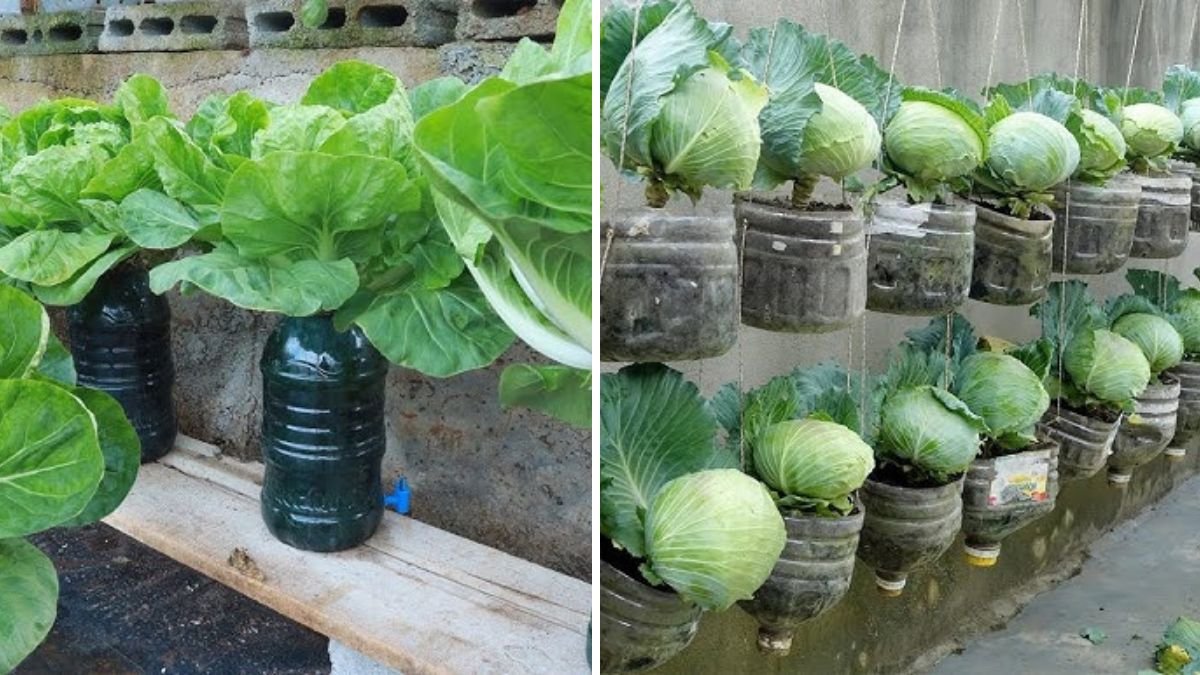
Cabbage is a versatile, nutrient-rich vegetable that forms a staple in cuisines around the world. From crunchy salads and stir-fries to hearty soups and stuffed cabbage rolls, this leafy vegetable is not only delicious but also packed with vitamins and minerals. Imagine growing your own cabbage from seeds at home, harvesting fresh, chemical-free heads, and enjoying the satisfaction of cultivating your own food.
Growing cabbage from seeds is cost-effective, easy, and rewarding, whether you have a backyard, terrace garden, or just a few containers. In this guide, we’ll walk you through everything you need to know—from selecting seeds to planting, caring, and harvesting lush cabbage heads.
🌱 Why Grow Cabbage from Seeds?
Growing cabbage from seeds has several advantages:
- Cost-Effective: A packet of seeds produces multiple plants, saving money.
- Wide Variety Selection: Choose from early, mid-season, or late-maturing varieties.
- Control Over Growth: You can grow chemical-free, organic cabbage.
- Satisfaction: Watching a tiny seed transform into a full cabbage head is immensely rewarding.
- Educational: Perfect for learning about plant growth cycles, ideal for beginners and children.
Unlike buying seedlings, growing from seeds gives you full control over the plant’s growth from the very beginning.
🥬 Choosing the Right Cabbage Seeds
Selecting the right seeds is crucial for a successful harvest:
- Early Varieties:
- Mature in 60–80 days.
- Produce small to medium heads.
- Ideal for quick harvests and small spaces.
- Mid-Season Varieties:
- Mature in 80–100 days.
- Medium to large heads.
- Balanced growth and productivity.
- Late Varieties:
- Mature in 100–120 days.
- Produce large, dense heads.
- Suitable for storage and long-term use.
- Specialty Varieties:
- Red cabbage, Savoy cabbage, and ornamental types for diversity.
Choose seeds based on your climate, space, and culinary preferences.
🌿 Preparing for Cabbage Planting
1. Soil Requirements
Cabbage thrives in fertile, well-draining soil:
- pH: 6.0–7.5 (slightly acidic to neutral)
- Enrich soil with compost or organic matter for nutrients
- Avoid waterlogged or heavy clay soils to prevent root rot
Good soil preparation ensures strong, healthy seedlings and dense cabbage heads.
2. Choosing a Planting Space
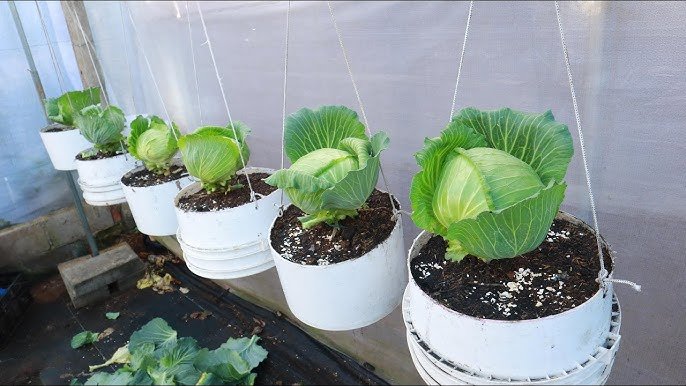
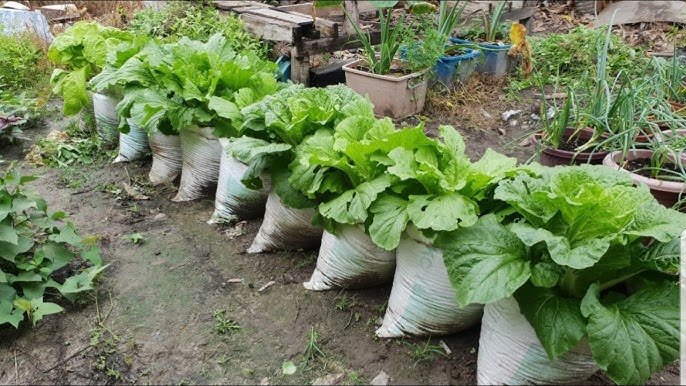
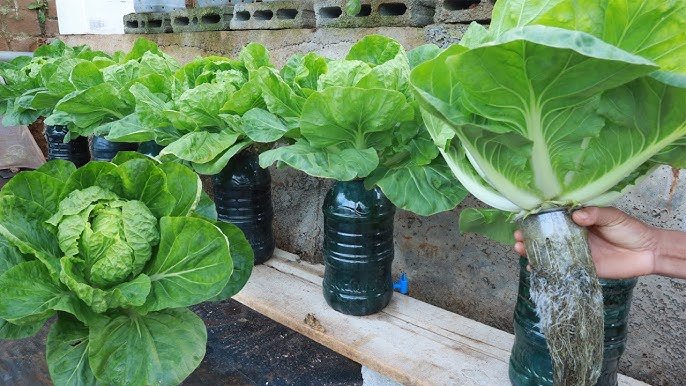
- Garden beds, containers, or raised beds are all suitable.
- Containers should be 12–16 inches deep for proper root growth.
- Ensure 6–8 hours of sunlight per day for optimal growth.
Sunlight is essential for sturdy plants and vibrant leaves.
🌱 Sowing Cabbage Seeds
1. Seed Starting
- Fill seed trays or small pots with seed-starting mix.
- Sow seeds 1/4 inch deep, covering lightly with soil.
- Keep soil moist but not soggy.
- Maintain a temperature of 65–75°F for germination.
- Seeds typically germinate in 5–10 days.
2. Transplanting Seedlings
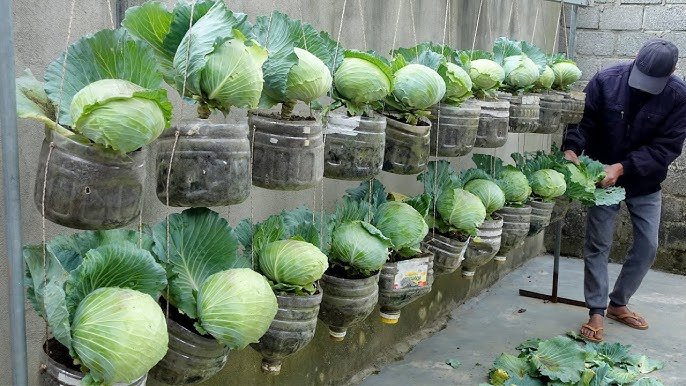
- When seedlings develop 2–3 true leaves, they are ready for transplanting.
- Harden off seedlings by gradually exposing them to outdoor conditions for a week.
- Transplant into containers or garden beds, spacing 12–18 inches apart.
Proper seedling care ensures strong, healthy plants ready for full growth.
💧 Watering Cabbage
- Keep soil consistently moist, especially during head formation.
- Water deeply 2–3 times per week, depending on climate.
- Mulch around plants with straw or dried leaves to retain moisture and reduce weeds.
Regular watering prevents bolting and bitter leaves, ensuring tender, dense cabbage heads.
🌱 Fertilizing Cabbage
Cabbage is a heavy feeder:
- At Planting: Mix compost or well-rotted manure into the soil.
- During Growth: Apply nitrogen-rich fertilizers to promote leafy growth.
- Before Head Formation: Switch to phosphorus and potassium-rich fertilizers to encourage dense, healthy heads.
Balanced nutrition is key to producing large, firm, flavorful cabbage heads.
🐛 Pest and Disease Management
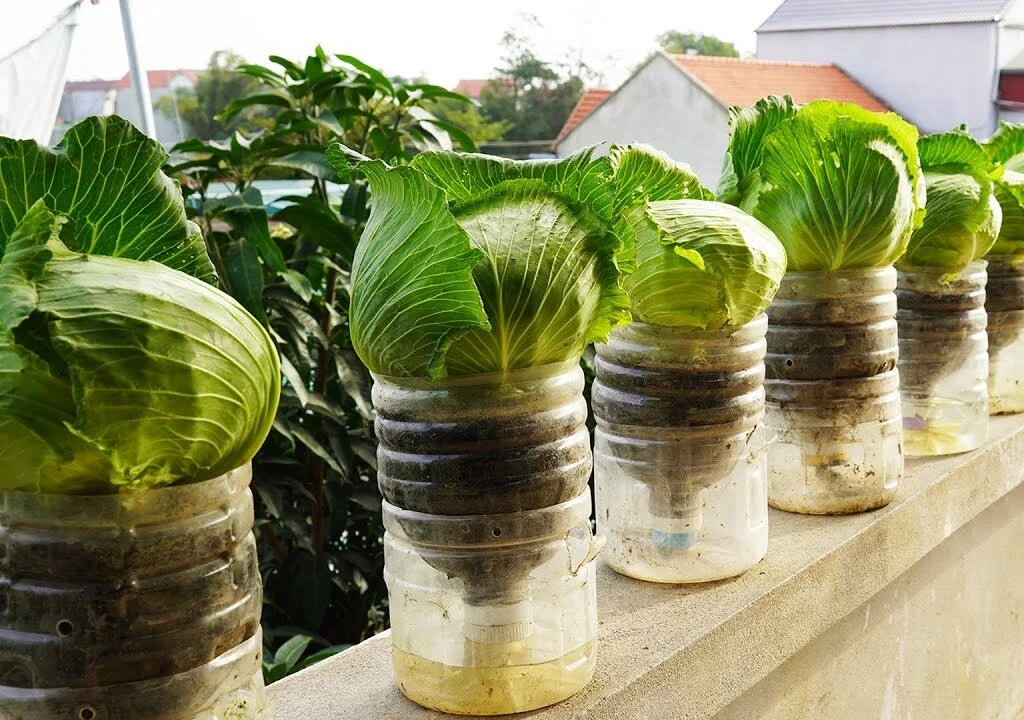
Common cabbage pests and diseases:
- Aphids: Spray with neem oil or insecticidal soap.
- Cabbage Worms and Loopers: Use hand-picking or organic treatments.
- Flea Beetles: Cover seedlings with floating row covers.
- Fungal Diseases: Ensure good spacing and air circulation, remove affected leaves.
Regular monitoring keeps plants healthy and productive.
🌿 Caring for Growing Cabbage
- Thinning: Thin seedlings to avoid overcrowding.
- Mulching: Retains soil moisture and protects roots.
- Support: Early varieties usually don’t need support, but tall or heavy heads may benefit from stakes.
- Pruning: Remove yellowing or damaged leaves to encourage healthy growth.
Proper care results in uniform, robust cabbage heads.
🌸 Flowering and Head Formation
- Cabbage heads develop as compact, dense leaves at the center of the plant.
- Flowering occurs if plants are stressed or temperatures fluctuate, leading to bolting.
- Consistent watering, fertilization, and sunlight prevent premature flowering.
Healthy growth ensures large, firm heads ready for harvest.
🥬 Harvesting Cabbage
- Early Varieties: Harvest 60–80 days after planting when heads feel firm.
- Mature Varieties: Harvest 80–120 days after planting, depending on variety.
- Harvest Method:
- Use a sharp knife to cut the head at the base.
- Remove outer leaves if desired.
- Leave a few leaves on the plant for protection if multiple harvests are planned.
Timely harvest ensures tender, crisp, and flavorful cabbage heads.
🌎 Storing Cabbage
- Store harvested cabbage in a cool, dark place for several weeks.
- Refrigeration extends shelf life.
- Avoid storing near fruits like apples, which can cause premature spoilage.
Proper storage preserves freshness, crunch, and nutritional value.
🍽 Cooking Ideas for Homegrown Cabbage
Homegrown cabbage is versatile in the kitchen:
- Salads and Coleslaw: Fresh, crunchy leaves.
- Stir-Fries: Add to vegetables or meat dishes.
- Soups and Stews: Adds flavor, texture, and nutrition.
- Stuffed Cabbage Rolls: Perfect for hearty meals.
- Pickled Cabbage: Homemade sauerkraut or kimchi.
Fresh cabbage from your garden enhances any recipe with superior flavor and nutrition.
🌟 Tips for Success When Growing Cabbage from Seeds
- Use high-quality, disease-free seeds.
- Provide 6–8 hours of sunlight daily.
- Keep soil moist but well-drained.
- Fertilize at key growth stages for leafy growth and head formation.
- Monitor for pests and remove affected leaves promptly.
- Thin seedlings to prevent overcrowding.
- Harvest at the right size for best taste and texture.
Following these tips ensures healthy plants and a bountiful harvest.
🥬 Final Thoughts: Growing Cabbage from Seeds
Growing cabbage from seeds is easy, rewarding, and cost-effective, allowing you to enjoy fresh, nutritious, chemical-free cabbage right from your home. With proper seed selection, soil preparation, watering, fertilization, and care, even beginners can cultivate robust, healthy plants.
Whether you have a backyard, balcony, or container garden, cabbage cultivation is accessible and fun. From tiny seeds to full-grown heads, the journey is satisfying, educational, and delicious. Start growing cabbage today, and experience the joy of harvesting your very own leafy greens.
Homegrown cabbage is fresher, tastier, and more nutritious than store-bought varieties, making your efforts in the garden truly worthwhile.