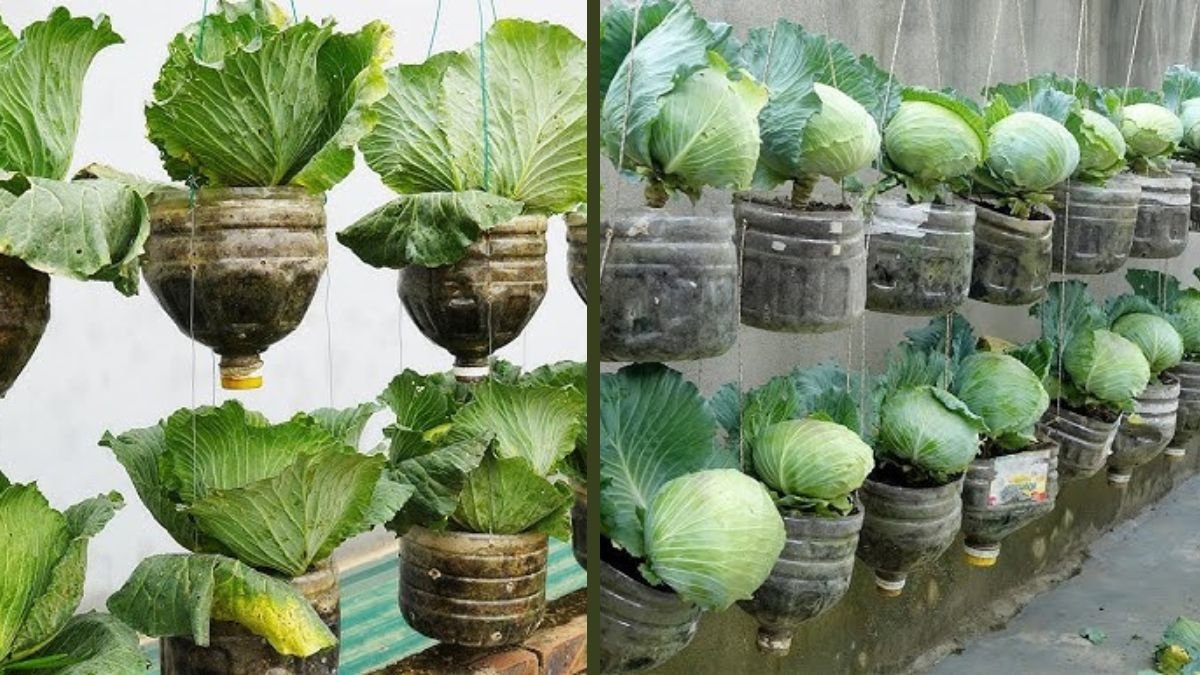
Introduction: Container Cabbage Gardening at Home
Cabbage is a nutritious leafy vegetable used worldwide. Many believe it needs large farmland to form big heads. Surprisingly, cabbage grows very well in pots at home. With proper soil, sunlight, and care, pot-grown cabbage forms dense heads. This method is ideal for home gardens and terraces. Container cabbage saves space and water. Even beginners can grow it successfully. This article explains every step clearly. Fresh cabbage at home is possible.
Understanding Cabbage Growth Cycle
Cabbage is a cool-season crop. It grows leafy first, then forms a head. Roots need space and nutrients. Consistent moisture is essential. Stress affects head formation. Understanding growth stages helps proper care. Even in pots, cabbage grows well. Healthy plants form compact heads. Knowledge ensures success.
Choosing the Right Cabbage Variety
Select compact or early-maturing varieties for pots. Green cabbage adapts well to containers. Disease-resistant varieties perform better. Local varieties suit climate conditions. Seed quality affects head size. Beginners should choose reliable types. Variety choice impacts yield. Proper selection ensures success.
Selecting Suitable Pots
Choose deep and wide pots. Each plant needs one pot. Drainage holes are essential. Plastic or clay pots work well. Bigger pots produce bigger heads. Lightweight pots are easier to move. Proper pot size reduces stress. Container choice matters greatly.
Preparing the Soil Mix
Cabbage needs rich soil. Mix garden soil, compost, and sand. Soil must hold moisture but drain well. Organic matter improves fertility. Avoid heavy soil in pots. Healthy soil supports head formation. Balanced soil ensures good growth. Preparation is critical.
Seed Sowing and Germination
Sow seeds in trays or directly in pots. Keep soil moist. Germination occurs within a week. Provide indirect sunlight initially. Thin seedlings if overcrowded. Healthy seedlings grow strong. Proper early care improves survival. Strong seedlings form better heads.
Transplanting Seedlings to Pots
Transplant when seedlings have several leaves. Handle gently. Plant one seedling per pot. Water immediately. Shade briefly if sun is strong. Correct transplanting prevents shock. Healthy plants establish quickly. Early care is important.
Sunlight Needs for Cabbage
Cabbage prefers full sun to partial shade. At least five to six hours of sun is ideal. Too much heat causes bolting. Balcony placement matters. Good light ensures tight heads. Shade during extreme heat helps. Balance is key.
Watering Cabbage in Pots
Cabbage needs consistent moisture. Water deeply and regularly. Avoid drying out soil. Mulching helps retain moisture. Irregular watering causes loose heads. Morning watering is best. Proper hydration ensures dense heads. Water management is crucial.
Fertilizing for Big Heads
Cabbage is a heavy feeder. Use compost every two weeks. Nitrogen supports leaf growth early. Balanced feeding later supports head formation. Avoid overfeeding. Organic nutrition improves soil. Regular feeding increases head size. Proper nutrition is essential.
Mulching and Temperature Control
Mulch keeps soil cool. It reduces moisture loss. Organic mulch improves soil health. Mulching protects roots. Temperature control prevents stress. Healthy roots form better heads. Simple mulching improves results. This step is very helpful.
Pest Management Naturally
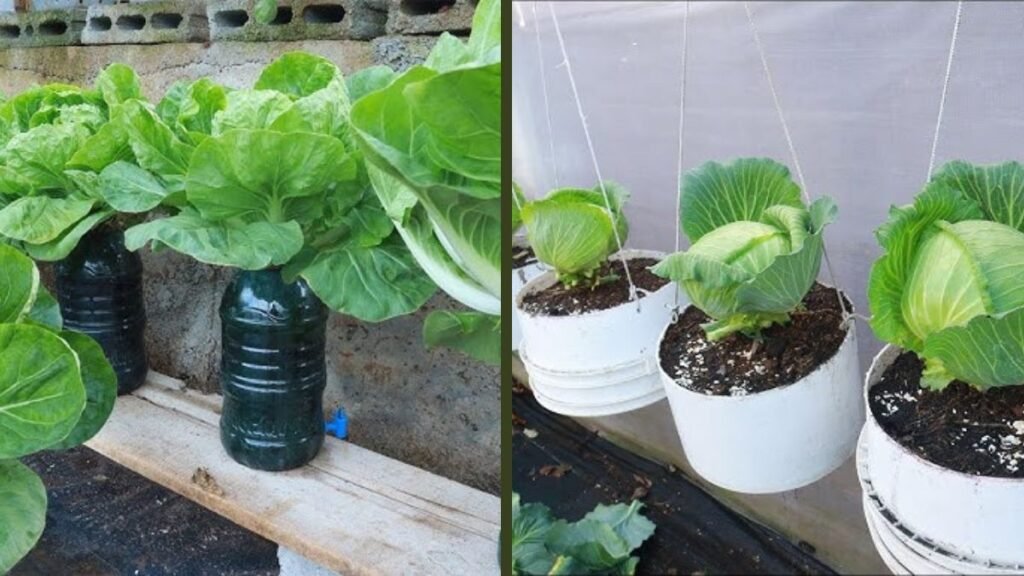
Cabbage attracts caterpillars and aphids. Neem oil controls pests. Hand removal works well. Netting prevents butterflies. Healthy plants resist pests. Avoid chemical sprays. Regular inspection reduces damage. Organic methods are effective.
Disease Prevention
Avoid overcrowding pots. Ensure airflow. Remove diseased leaves quickly. Use clean soil. Rotate crops yearly. Healthy practices prevent disease. Prevention saves crops. Clean gardening ensures success.
Head Formation Monitoring
Heads begin forming after leaf growth. Maintain consistent care. Avoid stress during this stage. Proper watering and feeding are crucial. Observe head tightness. Healthy plants form firm heads. Patience is important. Monitoring ensures success.
Harvesting Cabbage Properly
Harvest when heads are firm. Use sharp knife. Cut at base. Avoid delaying harvest. Morning harvest keeps freshness. Proper timing improves taste. Gentle handling protects quality. Correct harvesting is important.
Post-Harvest Handling
Remove loose leaves. Wash if needed. Store in cool place. Fresh cabbage lasts longer. Proper handling preserves nutrients. Homegrown cabbage tastes better. Safe storage is simple. Enjoy your harvest.
Comparison Table: Pot vs Ground Cabbage
| Aspect | Pot Growing | Ground Growing |
|---|---|---|
| Space | Small | Large |
| Soil control | High | Moderate |
| Pest control | Easy | Moderate |
| Water use | Efficient | Higher |
| Head size | Big | Big |
Benefits of Growing Cabbage in Pots
Fresh cabbage at home. Saves money. Perfect for small spaces. Easy for beginners. Organic food. Uses balcony or terrace. Reduces market dependency. Encourages healthy eating.
Conclusion
Growing cabbage in pots is simple and highly productive. With proper soil, watering, and organic care, big fresh heads form easily. This method is perfect for home gardeners with limited space. Consistent care brings excellent results and fresh vegetables at your doorstep.