Introduction to Growing Mulberries in Containers
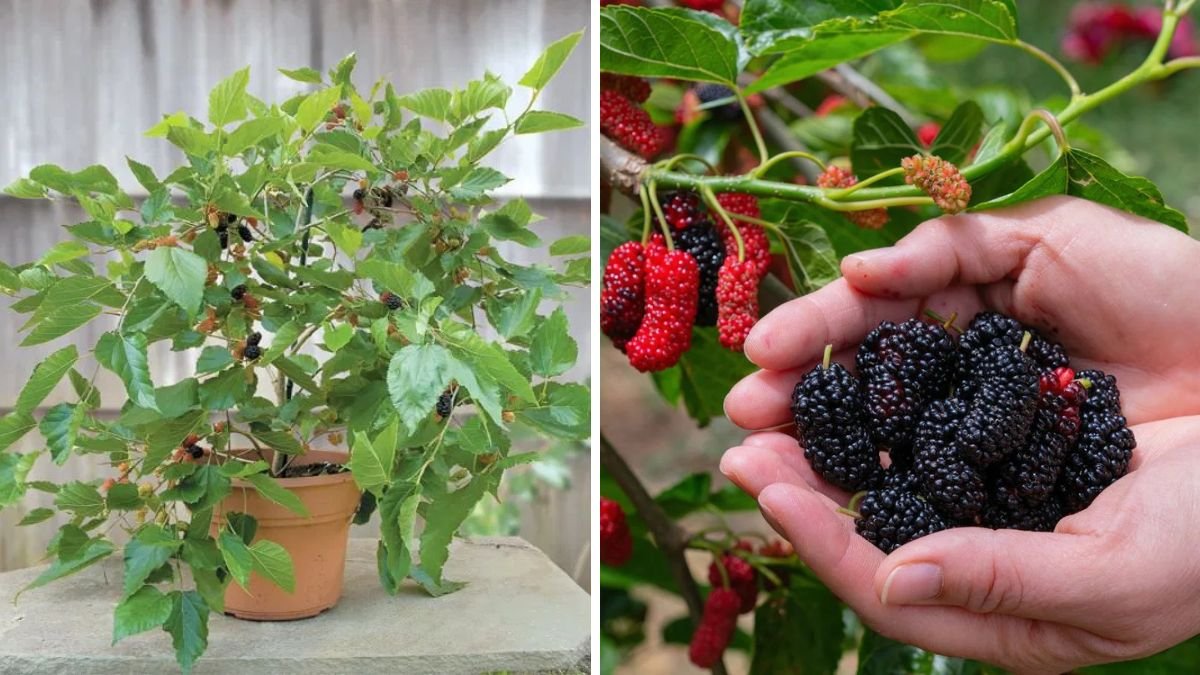
Mulberries are nutritious and fast-growing fruit trees. They are suitable for container gardening, making them perfect for small spaces. Growing mulberries in pots allows easy control of soil, water, and sunlight. Container-grown trees can thrive on terraces, balconies, and backyards. Home gardeners can enjoy fresh mulberries without needing land. This guide explains step-by-step container cultivation. Proper care ensures healthy growth and high yields. Mulberries are versatile for jams, smoothies, and fresh consumption.
Understanding the Mulberry Tree
Mulberry (Morus spp.) is a deciduous or semi-evergreen tree. It produces sweet, juicy berries, commonly red, white, or black. The tree grows well in warm climates. Young trees are compact and suitable for pots. Mulberry leaves support silk production in some regions. The tree is hardy and tolerates minor neglect. Understanding its growth habit helps in container care. Mulberries can produce fruit within two years in pots with proper management.
Advantages of Growing Mulberries in Pots
Container cultivation offers flexibility. Plants can be moved for sunlight or frost protection. Soil can be customized for optimal growth. Pest management is easier. Container trees are less prone to root rot if properly drained. They are perfect for urban gardening. Homegrown mulberries are chemical-free. Container cultivation ensures consistent care and high productivity.
Choosing the Right Container
Select a container at least fifteen to twenty inches deep. Ensure adequate drainage holes. Wide pots allow better root expansion. Material can be clay, plastic, or ceramic. Heavy pots provide stability in windy areas. Container size influences fruiting and growth. A larger pot reduces frequent repotting. Correct container choice prevents root damage.
Soil Preparation for Mulberries
Use a well-draining soil mix. Combine garden soil, compost, and sand for optimal growth. Mulberries prefer slightly acidic to neutral soil. Avoid waterlogged or heavy clay soil. Organic matter improves root health and fruit quality. Ensure pH remains between six and seven. Fertile soil encourages early flowering. Healthy soil reduces the need for chemical fertilizers.
Selecting a Mulberry Variety for Pots
Choose dwarf or semi-dwarf varieties for container growth. Common varieties include Black Beauty, Kokuso, or Dwarf Red Mulberry. Fruit quality varies with variety. Some varieties are more cold-tolerant. Seedling-grown mulberries may take longer to fruit. Dwarf varieties adapt well to confined spaces. Varietal selection influences yield and tree size. Match variety with climate for best results.
Planting Mulberry in Containers
Fill pot with prepared soil, leaving a few inches at the top. Place the young sapling carefully. Do not damage the root ball. Cover roots gently and water thoroughly. Mulch around the base to retain moisture. Avoid compacting soil. Position container in bright sunlight. Proper planting ensures healthy establishment.
Watering Schedule for Container Mulberries
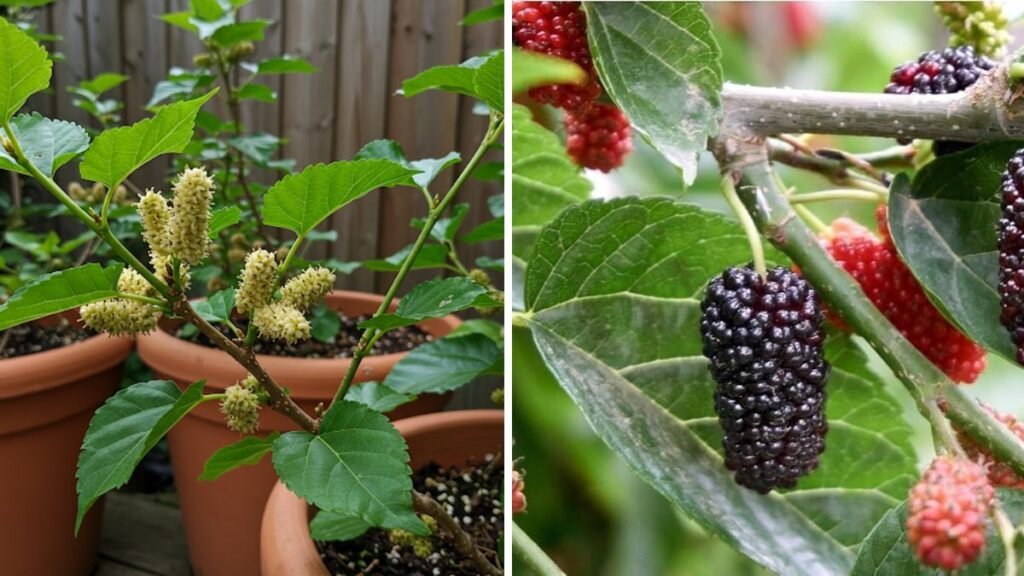
Mulberries in pots need consistent moisture. Soil should remain damp but not soggy. Water more frequently during hot, dry weather. Reduce watering in cooler months. Avoid letting the roots sit in stagnant water. Use watering cans or drip irrigation for control. Balanced moisture promotes fruiting. Observation of soil is essential.
Sunlight Requirements
Mulberries require full sunlight for optimal fruit production. A minimum of six to eight hours of sun is ideal. Containers can be moved to maximize light exposure. Insufficient sunlight leads to sparse flowering. Partial shade slows growth. Morning sunlight is preferred over harsh afternoon sun. Proper light improves leaf and fruit quality. Adjust placement as needed seasonally.
Fertilizing Mulberry Plants in Pots
Apply balanced organic fertilizers every two months during growing season. Compost, vermicompost, or well-rotted manure works best. Avoid chemical fertilizers that may harm roots in confined soil. Fertilizers rich in nitrogen promote foliage, while potassium supports fruiting. Reduce feeding in winter. Gradual nutrition supports steady growth. Monitor leaves for nutrient deficiency. Balanced fertilization ensures healthy fruit.
Pruning and Shape Management
Prune young trees to shape the canopy. Remove dead or weak branches. Maintain compact growth for container suitability. Light pruning after fruiting encourages new growth. Avoid heavy pruning during winter. Proper canopy improves sunlight penetration. Pruning also reduces disease risk. Balanced shaping ensures long-term productivity.
Mulching Benefits
Mulch retains soil moisture. Use organic mulch such as straw or leaf litter. Mulch also suppresses weeds. Keep mulch slightly away from the stem. Mulching moderates soil temperature. Improves microbial activity in soil. Reduces watering frequency. Supports healthy root development.
Pest and Disease Management
Mulberries are relatively hardy. Common pests include aphids, mealybugs, and caterpillars. Neem oil or mild insecticidal soap works effectively. Watch for fungal infections like powdery mildew. Proper watering and sunlight reduce disease risk. Remove affected leaves promptly. Organic control methods are recommended. Observation ensures early intervention.
Flowering and Fruit Production
Container-grown mulberries can produce fruit in two to three years. Flowers are small and often overlooked. Pollination can be enhanced with gentle hand shaking. Warm climate accelerates flowering. Stress-free conditions improve fruit set. Proper nutrition and pruning support bloom. Fruit ripens gradually. Harvesting begins when berries are fully colored.
Harvesting Mulberries
Pick berries carefully by hand. Ripe berries detach easily. Harvest every few days to avoid overripening. Mulberries are delicate and bruise easily. Use shallow trays for collection. Wash immediately before consumption. Avoid pesticide residues. Fresh mulberries are highly nutritious.
Container Mulberry Maintenance Tips
Monitor root space regularly. Repot every two to three years or when roots fill the pot. Clean container surface periodically. Adjust watering seasonally. Maintain soil fertility. Protect from extreme cold. Inspect for pests. Regular maintenance ensures long-term health.
Table: Mulberry Container Care Guide
| Aspect | Requirement |
|---|---|
| Container | At least fifteen to twenty inches deep |
| Soil | Well-draining with compost and sand |
| Sunlight | Full sun six to eight hours |
| Watering | Keep soil moist, avoid stagnation |
| Fertilization | Organic feeding every two months |
| Fruiting Time | Two to three years |
Benefits of Growing Mulberries at Home
Homegrown mulberries are chemical-free. They provide fresh fruit throughout the season. Gardening improves physical and mental health. Container trees enhance balcony and terrace aesthetics. Trees provide long-term yield. Mulberries support healthy diet. Growing at home reduces grocery expenses. Gardening experience improves over time.
Long-Term Expectations
Container-grown mulberries remain manageable in size. Proper care ensures several years of productivity. Fruit yield gradually increases with tree maturity. Trees adapt to container environment. Regular maintenance supports longevity. Home gardeners can enjoy ongoing harvests. Mulberry trees are low-maintenance once established. Commitment brings rewarding results.
Conclusion
Growing mulberries in containers is a practical and rewarding option. Proper soil, watering, sunlight, and care are key to success. Choose the right container and variety. Maintain health through pruning, fertilization, and mulching. Homegrown mulberries are fresh, nutritious, and flavorful. Container gardening allows flexibility and mobility. Start your mulberry container journey today.