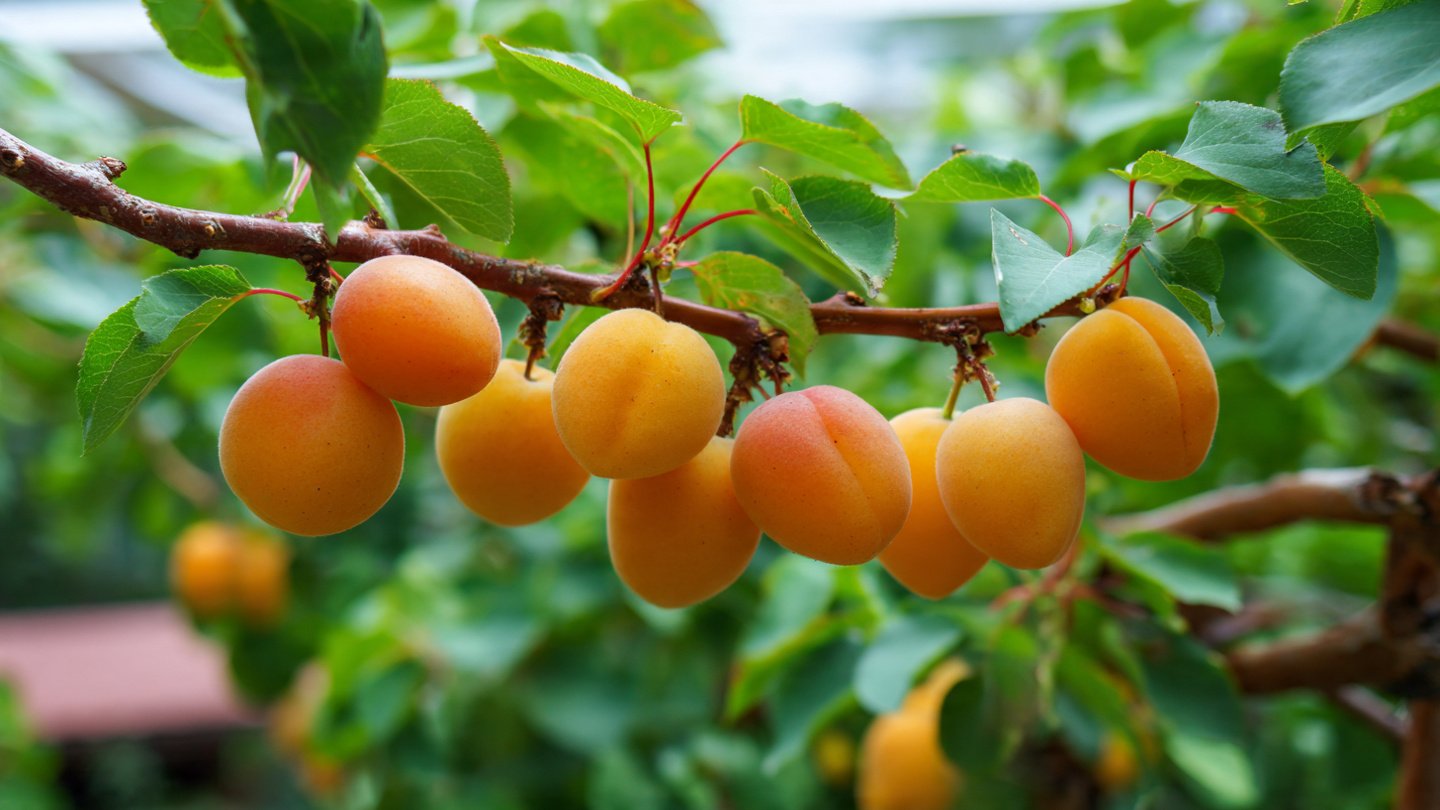
Urban gardening is becoming increasingly popular as city dwellers seek to connect with nature and grow their own food. For many, space is a limiting factor, but you don’t need a large garden to grow fruit. Apricots, known for their sweet taste and vibrant color, can be successfully cultivated in containers. This guide offers a comprehensive, step-by-step approach to growing apricots in containers, making it accessible for urban gardeners.
Understanding Apricot Trees
Types of Apricot Trees
Before diving into container gardening, it’s essential to understand the various cultivars of apricot trees. There are two primary types:
- European Apricots (Prunus armeniaca) – These are the most common varieties and produce fruits with a sweeter taste.
- Japanese Apricots (Prunus mume) – These are generally grown for ornamental purposes and are less sweet.
When selecting a cultivar, it’s crucial to choose one that is suited for your climate. For instance, Tilton, Blenheim, and Katy are popular choices for container gardening.
Climate Considerations
Apricots thrive in USDA hardiness zones 5 through 9. They require a chilling period during winter to produce fruit the following summer, so ensure your chosen variety is compatible with your local climate.
Choosing the Right Container
Selecting the appropriate container is crucial for successful apricot growing. Here are some factors to consider:
Size
Apricot trees need ample space for root growth. A container should be at least 18 to 24 inches in diameter and depth. Larger containers will provide better stability and moisture retention.
Material
Containers come in a variety of materials, including plastic, clay, and wood. Each has its pros and cons:
- Plastic: Lightweight and retain moisture well, but can heat up quickly.
- Clay: Porous and breathable, but heavier and prone to cracking if not cared for properly.
- Wood: A natural option that can offer good drainage if constructed correctly.
Drainage
Ensure your container has adequate drainage holes to prevent root rot. You can use gravel or perlite at the bottom of the container to improve drainage.
Soil and Fertilization
Soil Composition
Apricots prefer well-draining soil that is rich in organic matter. A mix of potting soil and compost works well. You can create your own mix using:
- 40% potting soil
- 40% compost
- 20% perlite or coarse sand
Fertilization
Apricot trees typically need fertilization in early spring before the growing season starts. A balanced, slow-release fertilizer high in potassium will encourage flowering and fruit production. Follow the manufacturer’s instructions for proper application rates.
Planting Steps
1. Choose the Right Time
The best time to plant apricot trees is in early spring, after the last frost, allowing them to establish roots before summer.
2. Prepare the Container
Fill the container with your soil mix, leaving about an inch of space at the top. This allows room for watering and prevents soil from spilling out.
3. Plant the Apricot Tree
- Remove the apricot tree from its nursery pot.
- Gently loosen any tightly bound roots.
- Place the tree in the center of the container, ensuring that the root collar is level with the soil surface.
- Fill around the roots with soil, firming it gently.
4. Water Thoroughly
After planting, water the tree thoroughly until water drains out of the bottom. Keep the soil consistently moist, but not soggy, especially during the first growing season.
Caring for Container-Grown Apricots
Watering
Container plants typically require more frequent watering due to limited soil volume. Check the soil moisture regularly and water when the top inch feels dry.
Pruning
Regular pruning is essential for maintaining the tree’s size and health. In late winter or early spring, remove any dead or crossing branches to promote better airflow and fruit production. Aim for a balanced shape to ensure sunlight reaches all parts of the tree.
Pest and Disease Management
Be vigilant about pests and diseases. Common pests include aphids and spider mites, while fungal diseases may manifest as leaf spot or powdery mildew. Use organic insecticides and ensure proper spacing for airflow to mitigate these issues.
Winter Care
In cooler climates, apricot trees in containers may require winter protection. Move the container to a sheltered location, and wrap it in burlap or bubble wrap to provide insulation. Alternatively, you can bury the container in the ground and mulch around it for added protection.
Harvesting Apricots
Apricots will typically start to bear fruit 2 to 3 years after planting. Harvesting time varies by variety but usually occurs in mid to late summer. The fruit should be picked when they are fully colored, slightly soft to the touch, and fragrant. Handle them gently to avoid bruising.
FAQs
Q1: Can I grow apricots indoors?
A1: While it’s possible, apricot trees require at least 6-8 hours of direct sunlight daily to thrive. If you have a bright, sunny south-facing window or can provide supplemental grow lights, you can attempt indoor cultivation. However, outdoor growth is generally preferred for better fruit production.
Q2: How do I know if my apricot tree needs more water?
A2: Check the top inch of soil; if it feels dry, it’s time to water. Additionally, yellowing leaves may indicate overwatering or insufficient drainage, while wilting leaves can signal underwatering.
Q3: What are some companion plants for apricot trees?
A3: Some beneficial companions include herbs like rosemary, chives, and basil, which can deter pests. Additionally, planting flowers such as marigolds can attract beneficial insects.
Q4: How do I prevent my apricot tree from getting too tall?
A4: Regular pruning will help manage the height of your apricot tree. By trimming back branches during the dormant season, you will encourage a bushier growth habit rather than a tall, lanky tree.
Q5: Can I propagate apricots from seeds?
A5: Yes, apricots can be grown from seeds, but the process requires patience and specific conditions to germinate successfully. It may also take longer for seed-grown trees to bear fruit compared to grafted cultivars.
Q6: How do I tell if my apricots are ripe?
A6: Ripeness can be determined by color, softness, and fragrance. The fruit should be vibrant in color, slightly yielding to gentle pressure, and have a sweet aroma.
Conclusion
Growing apricots in containers is a rewarding endeavor that can bring joy and delicious fruit to urban gardeners. With the right knowledge and care, you can enjoy the wonders of this delightful tree even in limited spaces. Follow the tips outlined in this guide to ensure your apricot tree thrives and produces luscious, sweet fruits for years to come. Happy gardening!