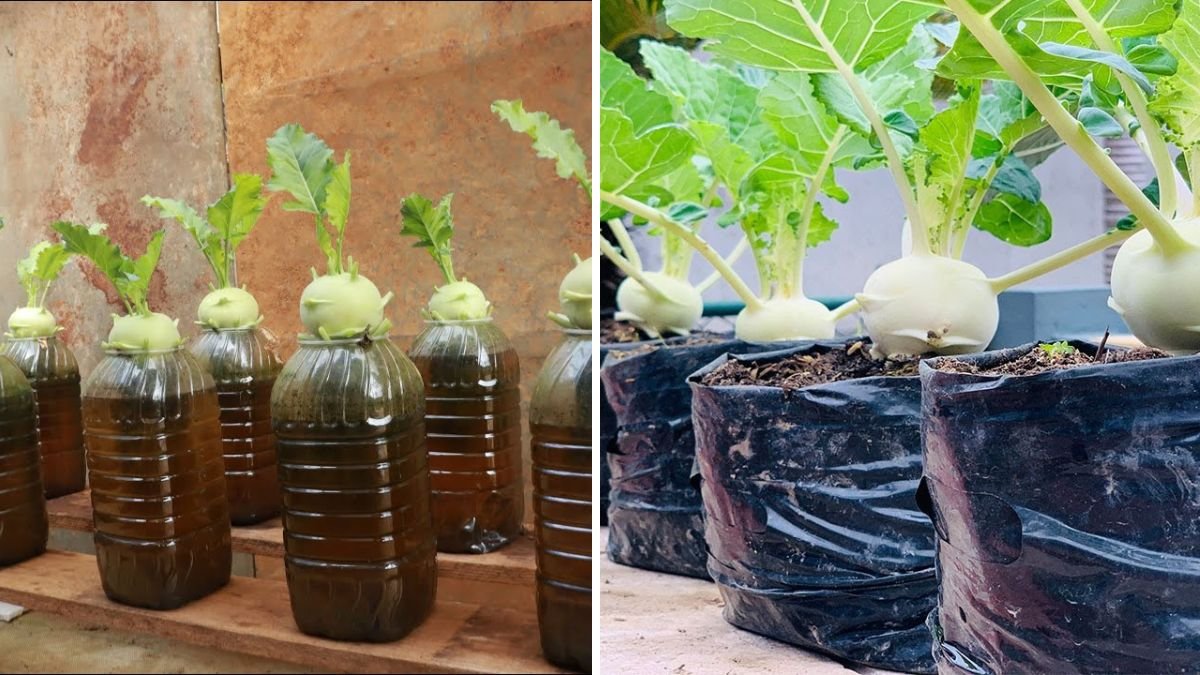
Kohlrabi, sometimes called the “German turnip,” is a versatile vegetable known for its crisp texture, mild flavor, and quick growth. It’s rich in vitamins, minerals, and antioxidants, making it a healthy addition to any home garden. While traditionally grown in garden beds, there’s a simple method to grow kohlrabi that produces big, tender tubers with a fast harvest, even for home gardeners or urban setups.
This guide will show you step-by-step how to cultivate kohlrabi effectively, maximize growth, and enjoy delicious, crunchy bulbs in less time than usual.
Why Kohlrabi Is Perfect for Home Gardening
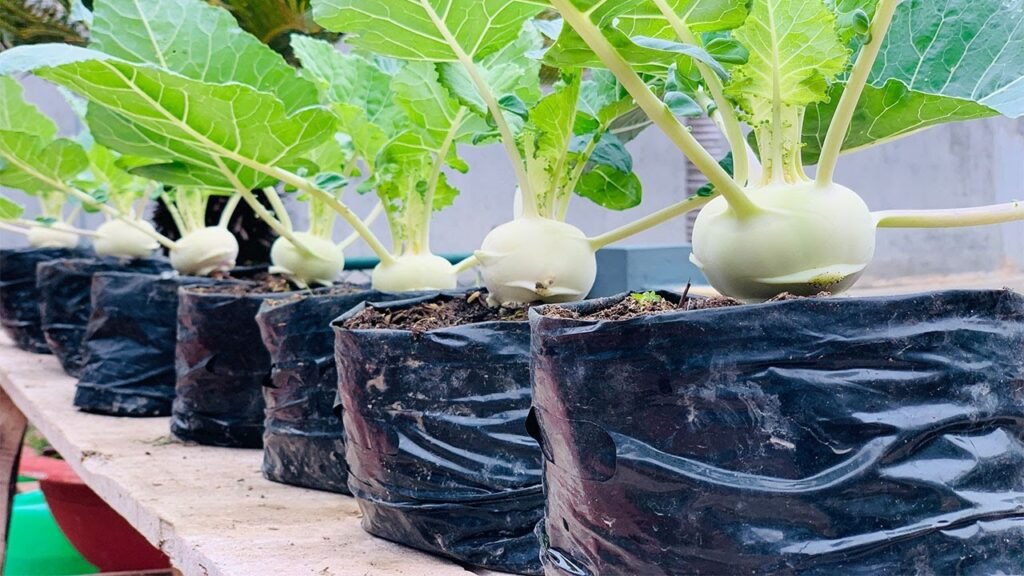
Kohlrabi is ideal for home gardens for several reasons:
- Fast Growing: From seed to harvest in as little as 50–70 days
- Space-Efficient: Compact plant suitable for containers, raised beds, or small gardens
- Nutrient-Rich: High in vitamin C, fiber, and antioxidants
- Versatile: Can be eaten raw, cooked, roasted, or added to soups and stews
- Easy to Grow: Thrives in cool weather and tolerates various soil types
By following a few simple techniques, you can achieve larger tubers and a quick harvest.
Step 1: Choosing Kohlrabi Varieties
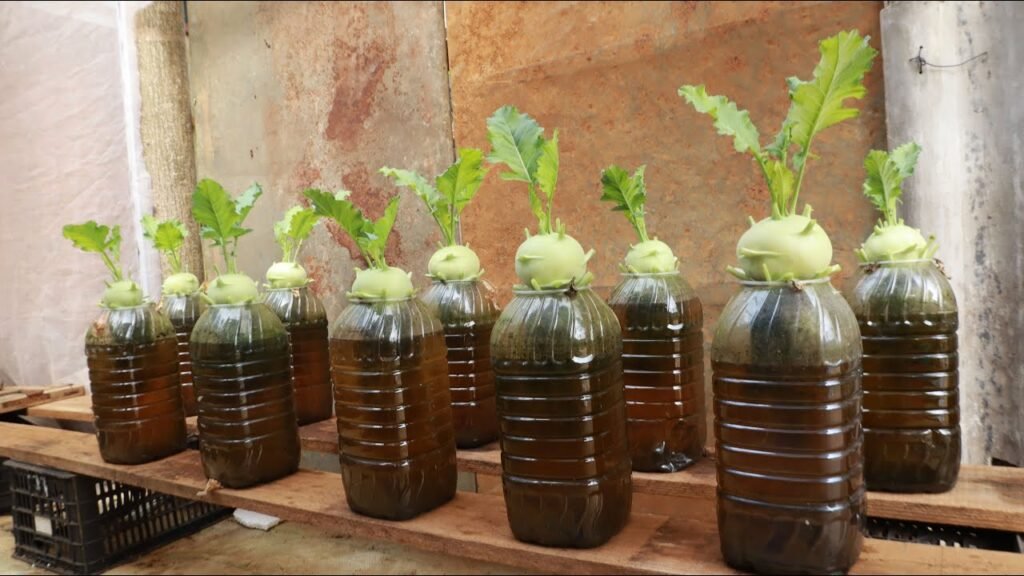
Selecting the right variety is the first step to a successful harvest:
- Purple Vienna: Classic variety, crisp and flavorful
- White Vienna: Mild taste, good for early harvest
- Gigante: Large, fast-growing tubers, ideal for maximum yield
- Mini or Baby Kohlrabi: Great for container gardening and quick harvest
Choosing the right variety helps match your growing space, desired harvest time, and tuber size.
Step 2: Preparing the Soil
Kohlrabi grows best in loose, fertile, well-drained soil. For big tubers and fast growth:
Soil Mix
- 50% garden soil or loamy soil
- 30% organic compost or well-rotted manure
- 20% sand or cocopeat for aeration and drainage
Preparation Tips
- Work soil to a fine texture to allow tubers to expand freely
- Ensure soil is slightly acidic to neutral (pH 6–7)
- Mix in slow-release organic fertilizer to provide steady nutrients
Well-prepared soil ensures strong root growth and large, tender kohlrabi bulbs.
Step 3: Sowing Seeds or Transplanting Seedlings
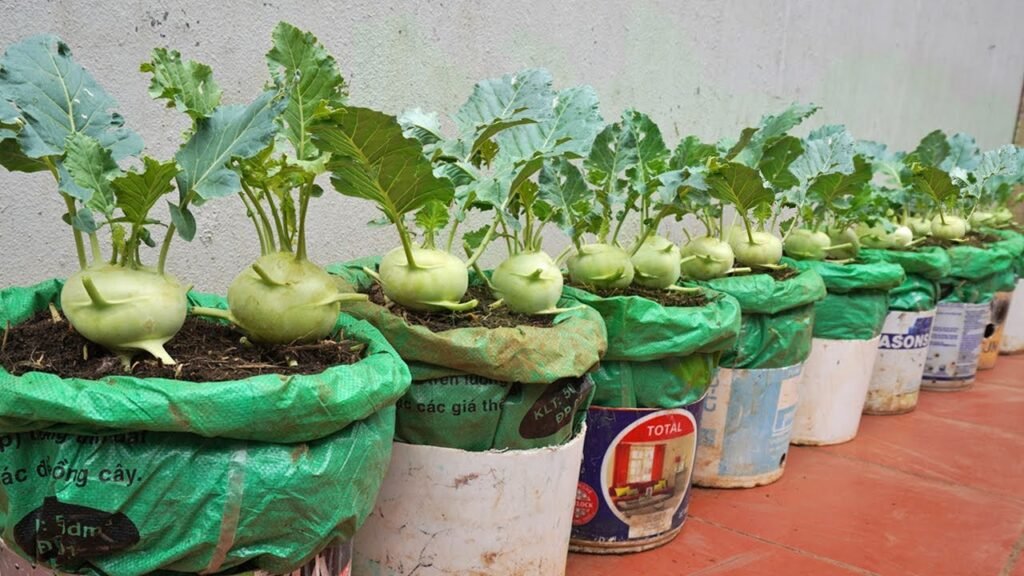
Kohlrabi can be grown from seeds or seedlings:
Seed Sowing
- Sow seeds ¼–½ inch deep
- Space seeds 2–3 inches apart in rows or containers
- Water gently to avoid displacing seeds
Transplanting Seedlings
- Thin seedlings to 6–8 inches apart when 3–4 true leaves develop
- Gently transplant to prepared soil or containers, keeping roots intact
Proper spacing ensures tubers have enough room to grow large and healthy.
Step 4: Watering and Moisture Management
Consistent moisture is critical for quick growth and large tuber formation:
- Water deeply 2–3 times per week, depending on weather
- Avoid overwatering, which can cause root rot
- Mulch around plants with straw or dried leaves to retain soil moisture
Steady watering prevents stress, splits, or small, woody tubers.
Step 5: Fertilization for Big Tubers
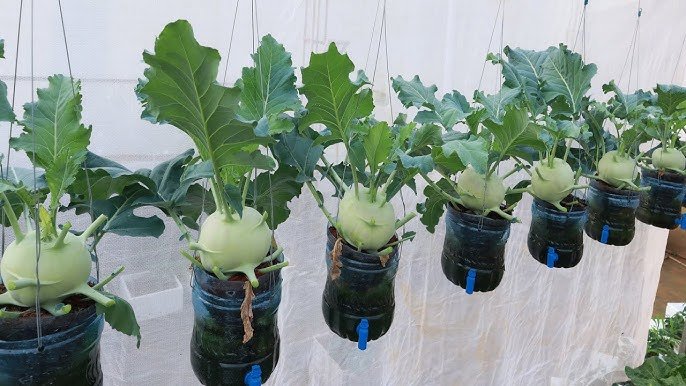
Kohlrabi is a heavy feeder and requires nutrients for fast growth and big bulbs:
- Apply nitrogen-rich fertilizers early for leafy growth
- Switch to phosphorus and potassium fertilizers as tubers develop
- Organic options: compost tea, vermicompost, or well-rotted manure
Proper nutrient management encourages quick bulbing and larger, juicier kohlrabi tubers.
Step 6: Sunlight and Location
Kohlrabi grows best in full sun:
- Provide 6–8 hours of direct sunlight daily
- In warmer climates, provide light shade in the afternoon to prevent bolting
- Ensure good airflow to prevent fungal infections
Adequate sunlight and airflow promote strong stems, healthy leaves, and rapid tuber formation.
Step 7: Supporting Growth and Thinning
To ensure maximum tuber size:
- Thin plants if overcrowded; leave the strongest seedlings
- Remove damaged or yellow leaves to direct energy to tuber growth
- Avoid heavy leaf pruning, as leaves produce energy for bulb development
Proper plant management results in fast-growing, robust kohlrabi bulbs.
Step 8: Pest and Disease Management
Kohlrabi is generally hardy, but pests and diseases can affect growth:
- Common pests: cabbage worms, aphids, flea beetles
- Fungal issues: downy mildew or black rot
- Solutions: hand-pick pests, use neem oil or insecticidal soap, and ensure good airflow
Vigilant care ensures healthy, productive plants and prevents yield loss.
Step 9: Harvesting Kohlrabi
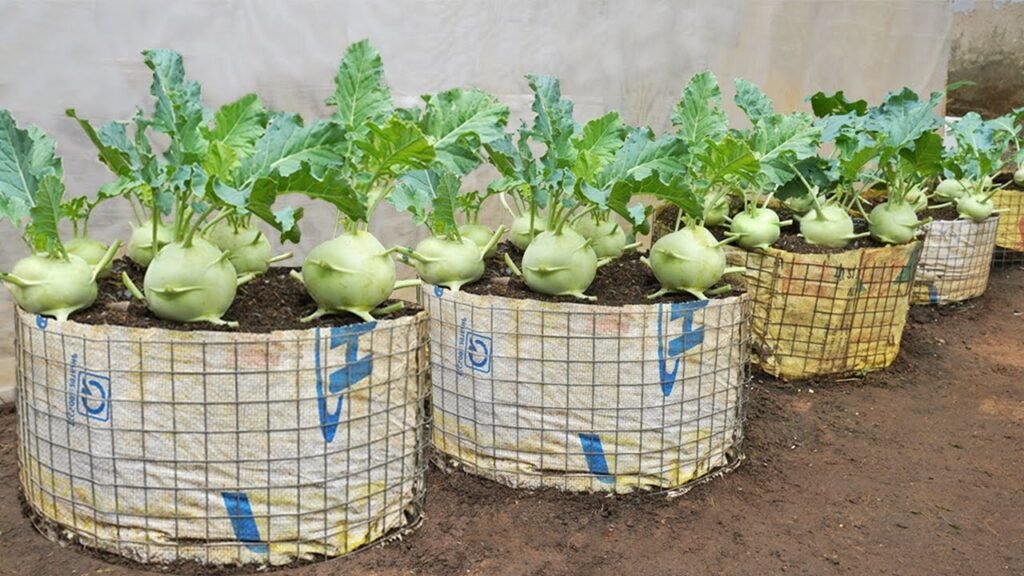
Kohlrabi is ready for harvest 50–70 days after sowing, depending on the variety:
Harvesting Tips
- Harvest when tubers reach 2–3 inches in diameter for best taste and texture
- For larger varieties, allow tubers to grow slightly bigger, but avoid over-maturity to prevent woody texture
- Cut tubers at soil level with a sharp knife
- Harvest outer leaves for use, leaving smaller inner leaves to continue photosynthesis
Proper harvesting ensures tender, sweet, and crispy tubers.
Step 10: Creative Kohlrabi Gardening Ideas
- Container Gardening: Perfect for balconies or terraces; use large pots or buckets
- Succession Planting: Sow seeds every 2–3 weeks for continuous harvest
- Companion Planting: Grow kohlrabi with onions, lettuce, or herbs to improve growth and deter pests
- Raised Bed Gardening: Ideal for cooler climates and soil drainage
These methods allow efficient use of space and extended harvest.
Benefits of Growing Kohlrabi This Way
- Fast Growth: Quick harvest in as little as 50 days
- Large Tubers: Nutrient-rich soil and proper spacing produce big, sweet bulbs
- Versatile: Can grow in garden beds, containers, or raised terraces
- Nutrient-Rich: Leaves and bulbs are packed with vitamins and fiber
- Easy to Manage: Simple watering, fertilization, and pest management
This method makes home-grown kohlrabi accessible for all gardeners, from beginners to experts.
Final Thoughts: Big, Delicious Kohlrabi at Home
Growing kohlrabi using proper spacing, nutrient-rich soil, consistent watering, and sunlight ensures quick harvests and large, tender tubers. Whether in containers, raised beds, or small garden plots, following these steps will let you enjoy fresh, crispy, sweet kohlrabi all season long.
By adopting these simple techniques, you can turn your home garden into a productive kohlrabi farm, yielding nutritious vegetables for your family with minimal effort. This method ensures fast growth, big bulbs, and delicious, versatile produce, perfect for salads, soups, or stir-fries.