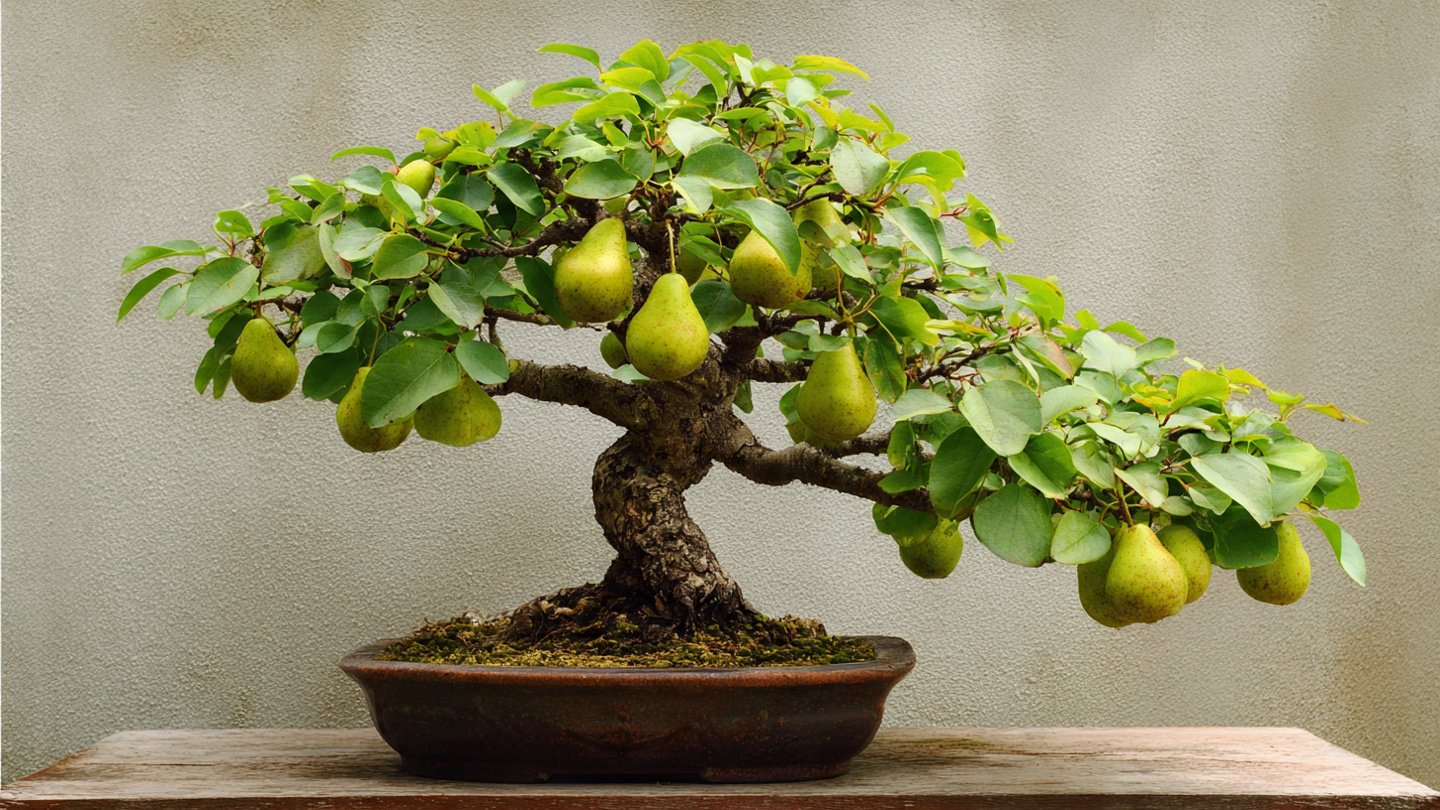
Growing a pear bonsai can be a rewarding experience that not only beautifies your home but also creates a living piece of art that can be shaped and nurtured over time. While some may think that bonsai cultivation is reserved for experienced horticulturists, beginners can also successfully grow a pear bonsai from seed. This guide will take you through all the steps—from seed selection to shaping your pear bonsai into a stunning tree.
Understanding Bonsai
Before we dive into the specifics of growing a pear bonsai, it’s essential to understand what bonsai means. The term “bonsai” is derived from the Japanese words “bon,” meaning a tray, and “sai,” meaning to plant. This art form involves growing miniature trees in pots, emphasizing aesthetic beauty while maintaining a realistic scale.
Why Choose Pear Trees?
Pear trees (Pyrus) are excellent candidates for bonsai because of their attractive foliage, fragrant flowers, and delicious fruits. They not only provide beauty but also the potential for fruit-bearing if grown properly. Their natural growth patterns can create visually dynamic and compelling shapes when pruned correctly.
Step-by-Step Guide: From Seed to Tree
Step 1: Seed Selection
The first step in growing a pear bonsai is to select the right seeds. You can choose between different species of pear trees, such as the European pear (Pyrus communis) or the Asian pear (Pyrus pyrifolia).
Tips for Seed Selection:
- Look for seeds that are fresh and have no visible damage.
- Consider local varieties that are adapted to your climate.
Step 2: Preparing the Seeds
Before planting, it’s essential to prepare your seeds properly. Pear seeds often require stratification, a process to simulate winter conditions that will enhance germination.
Stratification Process:
- Soak the Seeds: Place the seeds in water for 24 hours.
- Cold Treatment: Wrap the seeds in a damp paper towel and place them in a plastic bag. Store this bag in your refrigerator for about 6-8 weeks.
This mimics the natural winter conditions the seeds would experience outdoors, promoting germination when planted.
Step 3: Germination
Once the stratification period is over, you can begin the germination process.
Materials Needed:
- Seed-starting soil mix
- Seed trays or small pots
- Plastic wrap or a humidity dome
Germination Steps:
- Fill Containers: Fill your seed trays or pots with the seed-starting soil, leaving about half an inch space at the top.
- Plant the Seeds: Plant the stratified seeds about half an inch deep in the soil.
- Water: Lightly water the seeds until the soil is moist but not saturated.
- Cover: Cover the containers with plastic wrap or a humidity dome to retain moisture.
- Light Conditions: Place the trays in a warm location with indirect sunlight.
Germination usually takes about 2-4 weeks.
Step 4: Transplanting Seedlings
Once the seeds sprout and develop a couple of true leaves, it’s time to transplant them into individual pots.
Transplanting Steps:
- Choose the Right Size Pot: Select pots that are about 4-6 inches in diameter.
- Prepare the Soil: Use a well-draining potting mix that allows for adequate aeration.
- Transplant Carefully: Gently remove the seedlings from their original containers, being careful not to damage the roots. Plant each seedling in its new pot, ensuring it is at the same depth it was growing in the previous container.
Step 5: Cultivating Your Pear Bonsai
As your seedlings grow, you will need to care for them to promote healthy growth. This involves regular watering, fertilizing, and monitoring for pests.
Watering:
- Keep the soil consistently moist but not soggy.
- Reduce watering in winter months when growth slows.
Fertilizing:
- Use a balanced fertilizer, particularly during the growing season.
- Follow the manufacturer’s instructions for dilution and application frequency.
Pest Control:
- Regularly check for signs of pests, such as aphids or spider mites.
- Use organic pest control methods to manage infestations.
Step 6: Training Your Bonsai
Training is a critical aspect of bonsai cultivation. This is where you start shaping your pear tree into the desired form.
Techniques:
- Pruning: Begin pruning when the tree is 6-12 months old. Focus on removing unwanted branches and leaving a great structure.
- Wiring: Use aluminum or copper wire to shape branches. Wrap the wire around the branches, bending them into your desired shape.
- Repotting: Every 1-2 years, repot your bonsai tree to refresh the soil and manage root growth. This is also the perfect opportunity to prune the roots.
Step 7: Flowering and Fruiting
With proper care, your pear bonsai can eventually produce flowers and fruit. Pear trees generally blossom in spring.
Encouraging Flowering:
- Ensure your bonsai receives enough sunlight.
- Provide adequate fertilization during the growing season.
Fruiting will typically occur only if the bonsai is mature enough, usually around 4-6 years after planting.
Step 8: Winter Care
During winter, specially protect your pear bonsai, especially if you live in a cooler climate.
Winter Care Tips:
- Move the bonsai indoors if temperatures drop significantly.
- Avoid overexposure to heat sources which can dry out the plant.
Frequently Asked Questions (FAQs)
1. How long does it take to grow a pear bonsai from seed?
Growing a pear bonsai from seed can take several years. Expect to see significant growth and possibly fruit within 4-6 years with proper care.
2. Can I grow a pear bonsai indoors?
Yes, you can grow pear bonsai indoors, but they will need enough light. A south-facing window is ideal, and you should consider supplementing with grow lights if necessary.
3. What type of soil is best for pear bonsai?
A well-draining potting mix is crucial. Consider a blend of akadama, pumice, and lava rock for optimal drainage and nutrition.
4. How often should I water my pear bonsai?
Watering depends on the season and conditions, but generally, you should water when the topsoil is dry. Avoid letting the soil completely dry out.
5. Can bonsai trees live outside?
Yes, many bonsai trees thrive outdoors. However, pear bonsai may need protection from extreme temperatures, making them suitable for temperate climates.
6. How do I know when to prune my bonsai?
Prune in the spring when new growth begins to emerge. Regular maintenance pruning can occur throughout the growing season.
7. Is it necessary to fertilize my bonsai?
Yes, fertilizing helps promote healthy growth. Use a balanced fertilizer during the growing season, especially when your tree is actively growing.
Conclusion
Growing a pear bonsai from seed to tree is a gratifying endeavor that allows you to connect with nature and practice patience. Though it requires time and effort, the final result—a stunning miniature pear tree—will be worth every moment spent nurturing it. Follow the steps outlined in this guide, and you will be well on your way to cultivating a beautiful bonsai that you can cherish for years to come. Happy growing!