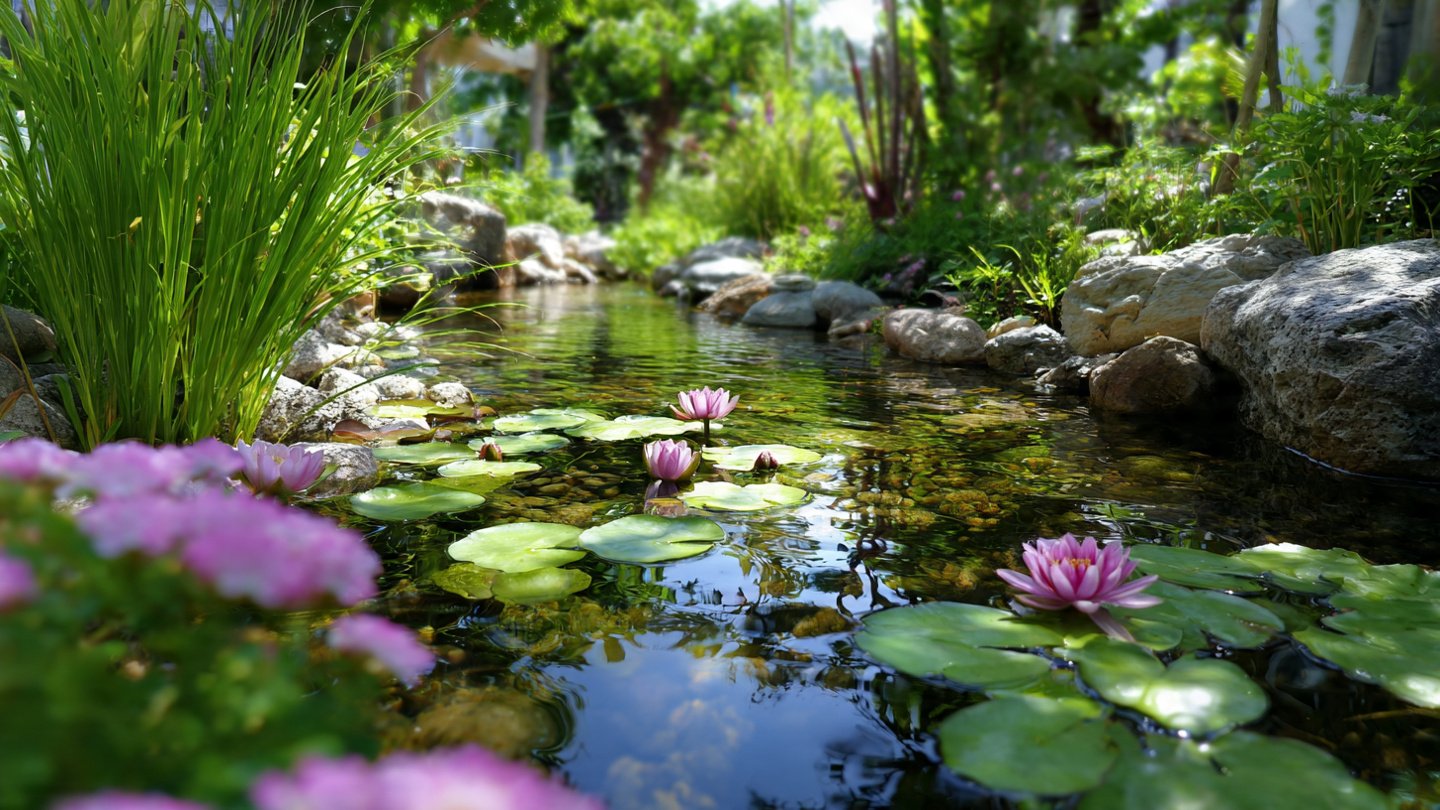
Creating a garden that is both beautiful and functional can be a rewarding endeavor. Amidst the joy of planting and nurturing flowers, vegetables, and shrubs, the challenge of dealing with pests often looms large. Insects and rodents can quickly mar your gardening efforts, leading to frustration and diminished yields. However, one particularly effective solution can elevate your garden from a basic oasis to a pest-free paradise: incorporating a pond.
Ponds are not just stunning water features; they serve multiple ecological functions that intricately weave into the health and vibrancy of your garden. Understanding how a pond can transform your garden into a pest-free haven requires delving into the various roles it plays in attracting beneficial wildlife and facilitating natural pest control while enhancing biodiversity.
Natural Pest Control
At the heart of a garden’s ecosystem lies a delicate balance of organisms. While many insects are notorious for their destructive tendencies, a pond can shift this balance by inviting natural predators into your garden. Frogs, toads, and dragonflies are immensely beneficial; they feed on pests such as mosquitoes, aphids, and caterpillars, thus keeping their populations in check.
Having a pond creates a habitat conducive to these voracious eaters. By providing a semi-aquatic environment, you effectively invite a range of wildlife. Frogs, for example, thrive in moist environments, and their presence can directly correlate with fewer pests. Making your garden a habitable environment for these creatures not only reduces pest numbers but also enhances the ecosystem’s overall health.
Attracting Beneficial Insects
In addition to larger predators like frogs, your pond will assist in attracting beneficial insects that can provide natural defense mechanisms against common garden pests. Ladybugs and lacewings are renowned for their pest control abilities. These insects often lay their eggs close to water sources since their larvae feed on pests such as aphids and scales.
By including a pond, you expand the biodiversity of insects that visit your garden. The water element provides a viable habitat for these small creatures, allowing them to thrive. Moreover, many flowers that you might grow around the pond can attract pollinators such as bees and butterflies, contributing to a vibrant ecosystem that suppresses harmful pests naturally.
Biodiversity Enhancement
Incorporating a pond into your garden promotes biodiversity, which is vital for a balanced ecosystem. A rich variety of plants can grow in and around the pond, creating niches for different types of flora and fauna. This plant diversity includes submerged plants, emergent plants, and shoreline vegetation, each catering to different species and microorganisms.
A diverse plant community stabilizes the ecosystem by supporting a range of food sources for various organisms. This interconnectedness encourages a natural balance, reducing the chances of pest outbreaks. A diverse habitat can endure environmental stressors better, thus creating a sustainable and long-lasting ecosystem that limits the prevalence of pests.
Water Quality Management
A well-maintained pond contributes significantly to water quality, which in turn impacts your garden’s overall health. By incorporating plants that filter water and provide habitat, a pond can maintain its chemical balance. Filtration plants like water lilies and duckweed not only beautify your water body but also absorb excess nutrients that can cause algal blooms, which may attract and harbor pests.
When your pond exhibits clear water and healthy aquatic plants, it minimizes the likelihood of stagnant water, which can be a breeding ground for mosquitoes. This water management keeps undesirable pests at bay while providing an ideal environment for the beneficial wildlife that further supports your garden.
Microclimate Creation
Beyond pests, creating a pond fosters unique microclimates within your garden. A pond can moderate temperatures, providing a cool sanctuary during hot months and preventing frost in cooler seasons. This moderated climate is favorable for a variety of plants and wildlife that might otherwise struggle in extreme conditions.
These microclimates enhance biodiversity, which contributes to a reduction in pests. Plants that flourish in such conditions are often more resilient to infestations. This plays an important role in creating a self-sustaining garden where pest management relies more on ecological relationships than on chemical interventions.
Aesthetic and Recreational Appeal
The visual and recreational benefits of a pond cannot go unnoticed. The serene sight and sound of water can dramatically enhance the aesthetic appeal of your garden. Whether you go for a koi pond, a wildlife pond, or a simple water feature, the incorporation of water provides tranquility and a sense of balance.
However, the recreational aspect should not be underestimated. A pond encourages families and visitors to spend more time outdoors, fostering an appreciation for nature. Increased human presence can unintentionally deter some pests while providing more opportunities for observing and maintaining the health of your garden ecosystem.
Sustainable Practices and Education
Finally, introducing a pond to your garden opens doors to sustainable gardening practices and educational opportunities. Through maintaining your pond and observing the creatures it attracts, you and your family can learn valuable lessons about ecosystems, respect for wildlife, and the importance of sustainability in gardening.
Engaging children in these processes teaches them about the natural world and the role they can play in fostering healthy ecosystems. This educational component reinforces the idea that balancing nature can lead to less reliance on harmful pesticides, creating an awareness of the importance of biodiversity in gardening practices.
Considerations for Building a Pond
-
Size and Location: When planning your pond, consider the size based on your garden’s overall layout and the space you can dedicate to it. The size will determine the number of plants and creatures it can support.
-
Design and Features: Think about the design—will it be formal or informal? Add features such as rocks, ledges, and plants to create varied habitats. Remember to include shallow areas for wildlife access.
-
Water Plants: Select a diverse array of aquatic and marginal plants. They provide shelter and food for both aquatic creatures and those that traverse between land and water.
-
Water Quality: Regular maintenance is crucial for water quality. Use natural filtration methods and consider incorporating a biofiltration system.
-
Wildlife Consideration: Ensure that the habitat remains welcoming. Create areas where wildlife can escape or hide from predators, and avoid introducing non-native species that could disrupt the local ecosystem.
Conclusion
Transforming your garden into a pest-free paradise through the incorporation of a pond is not merely about aesthetics; it’s about creating a thriving ecosystem that supports biodiversity, natural pest control, and healthy plant growth. By carefully designing and maintaining a pond, you can attract beneficial animals and insects, enhance water quality, create microclimates, and foster an educational environment for everyone in your household.
This holistic approach to gardening not only beautifies your outdoor space but also promotes a more sustainable and ecologically friendly ethos. As your garden flourishes and thrives within this rich ecosystem, the struggle against pests will become less of a battle and more of a cooperative endeavor with nature’s very own allies. Thus, diving into the serene waters of pond gardening could indeed be the remedy for a pest-free paradise that all collectors, planters, and nature enthusiasts dream of.