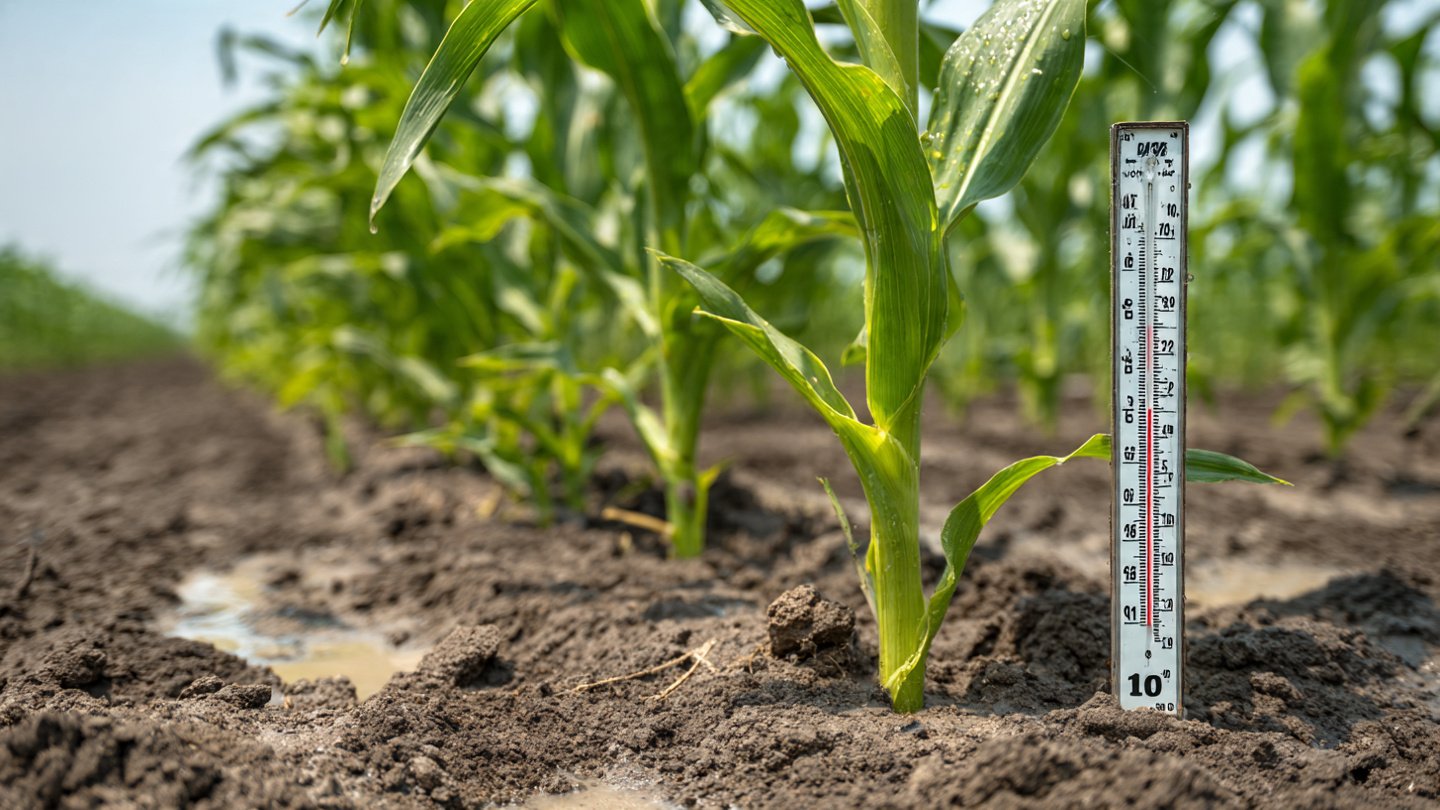
When it comes to agriculture, the foundation of a successful crop is often found beneath the surface—literally. Soil health, composition, and temperature are crucial factors that determine the vitality of crops, particularly corn, one of the most widely grown and economically important crops globally. One tool that can significantly influence planting success is the soil thermometer. This article will delve into the understanding of soil temperature’s role in corn planting, how a soil thermometer works, and the ways it can transform your planting efforts for maximum yield.
Understanding Soil Temperature and Its Impact on Corn Growth
Before we explore the practicalities of using a soil thermometer, it is essential to understand how soil temperature affects corn growth. Corn is a warm-season crop that thrives in specific temperature ranges. Its germination and development are heavily influenced by soil temperature, which affects seedling vigor, root development, and nutrient availability.
-
Germination: Corn seeds require a soil temperature of about 50°F (10°C) to germinate. However, optimal germination occurs at temperatures ranging from 65°F to 86°F (18°C to 30°C). If planted too early, seeds may remain dormant, while too late planting can result in reduced yields due to shorter growing seasons.
-
Root Development: The root system is crucial for absorbing water and nutrients from the soil. Warmer soil encourages better root development, leading to healthier plants capable of withstanding stress conditions, such as drought.
-
Nutrient Availability: Soil temperature influences the microbial activity in the soil, which in turn affects nutrient availability. Warmer soils promote higher microbial activity, enhancing the breakdown of organic matter, releasing essential nutrients for plant uptake.
-
Disease Resistance: Proper soil temperatures can also reduce the risk of certain soil-borne diseases. Cooler soils may foster pathogens that can diminish crop yields, while optimal temperatures help suppress such threats.
Given these factors, understanding and monitoring soil temperature using a soil thermometer can lead to informed decision-making regarding planting times, soil preparation, and overall management strategies.
The Role of a Soil Thermometer
A soil thermometer is a specialized device designed for measuring temperature at various soil depths. Unlike standard thermometers, which measure air temperature, soil thermometers provide critical data that can directly impact agricultural productivity.
Types of Soil Thermometers
-
Dial Soil Thermometers: These mechanical devices are easy to use and provide immediate readings. They typically have a long probe to measure the temperature at various depths.
-
Digital Soil Thermometers: These offer more advanced features, including digital displays, memory functions, and sometimes the capability to track temperature changes over time.
-
Infrared Thermometers: Although less common for soil measurement, infrared thermometers can gauge surface temperatures and may be useful for quick assessments.
Benefits of Using a Soil Thermometer
-
Optimal Planting Timing: With a soil thermometer, farmers can accurately gauge when conditions are ideal for planting corn. By measuring soil temperatures, they can ensure seeds are sown during optimal conditions, reducing the risk of poor germination.
-
Depth Measurement: Soil temperature can vary significantly with depth. A soil thermometer will allow for temperature readings at different layers, ensuring that the conditions are suitable down to the depth at which corn seeds will be planted.
-
Aiding in Soil Preparation: Knowing the soil temperature helps farmers make decisions about soil preparation—such as tilling or adding soil amendments—ensuring that the soil is ready for planting.
-
Improved Irrigation Practices: Soil temperature readings can inform irrigation schedules. Warmer soil can lead to increased evaporation rates, necessitating irrigation adjustments to maintain optimal moisture levels.
-
Growth Monitoring: A soil thermometer can be an ongoing tool, allowing continued monitoring through the growing season. This information helps in managing nutrient applications and understanding crop development stages.
How to Use a Soil Thermometer Effectively
-
Choosing the Right Time: The best time to use a soil thermometer varies by region but generally is right before planting. Aim to measure soil temperatures in the morning when they’re stable, avoiding times of dramatic temperature fluctuations.
-
Measuring at Different Depths: Insert the thermometer probe at the recommended depth for corn planting, typically around 1-2 inches. For more comprehensive data, measurements at deeper levels of 4-6 inches can also be beneficial.
-
Regular Monitoring: Regularly monitoring soil temperatures can help farmers adjust practices as needed. Keeping a log of temperature data throughout the planting season allows for more informed decisions.
-
Adjusting Based on Regions: Adaptation is key. Different geographical areas may have distinct planting calendars based on climate patterns. Understand regional guidelines and utilize the thermometer data accordingly.
-
Combining Tools: Pair soil thermometer readings with other tools like moisture meters or fertility tests. This holistic approach can further refine planting strategies.
Transformative Agricultural Practices with Soil Thermometers
Integrating a soil thermometer into your corn planting strategy can lead to several transformative practices:
1. Precision Farming Techniques
Modern farming relies heavily on precision agriculture to maximize efficiency and yield. With accurate soil temperature readings, farmers can apply targeted irrigation, fertility, and pest control measures based on the specific conditions within their fields.
2. Soil Health Management
Monitoring soil temperature is integral to understanding soil health. Farmers can connect temperature data with organic matter content, microbial health, and moisture levels, facilitating a more holistic approach to soil management.
3. Customized Fertilization
Soil temperature affects nutrient release rates in fertilizers. Understanding when soil temperatures rise can help farmers apply fertilizers more effectively, synchronizing nutrient release with plant needs.
4. Sustainable Practices
Using a soil thermometer promotes sustainable farming practices by enabling farmers to avoid over-application of inputs. Monitoring soil conditions efficiently can reduce waste, enhance crop outcomes, and ensure that agricultural practices align with environmental stewardship.
5. Enhanced Crop Rotation Planning
Understanding soil temperature fluctuations helps in planning not just for corn planting, but for overall crop rotation schedules. Knowing when to sow and when to harvest based on soil conditions can lead to robust rotations that maintain soil health and productivity.
Conclusion
In conclusion, a soil thermometer is not just a tool—it’s a transformative device that can elevate the success of corn planting and overall agricultural practices. By understanding and monitoring soil temperature, farmers can make informed, data-driven decisions that lead to better crop outputs, sustainable practices, and improved soil health. In an era of increasing environmental challenges and economic pressures, a soil thermometer could prove to be an invaluable asset in the pursuit of agricultural excellence.
As the saying goes, “Success is 90% preparation and 10% execution.” In the agricultural world, the first step in that preparation often lies within the soil. With a soil thermometer, you can ensure that your seeds find the warmth they need to thrive, setting up your corn planting for success from the very beginning.