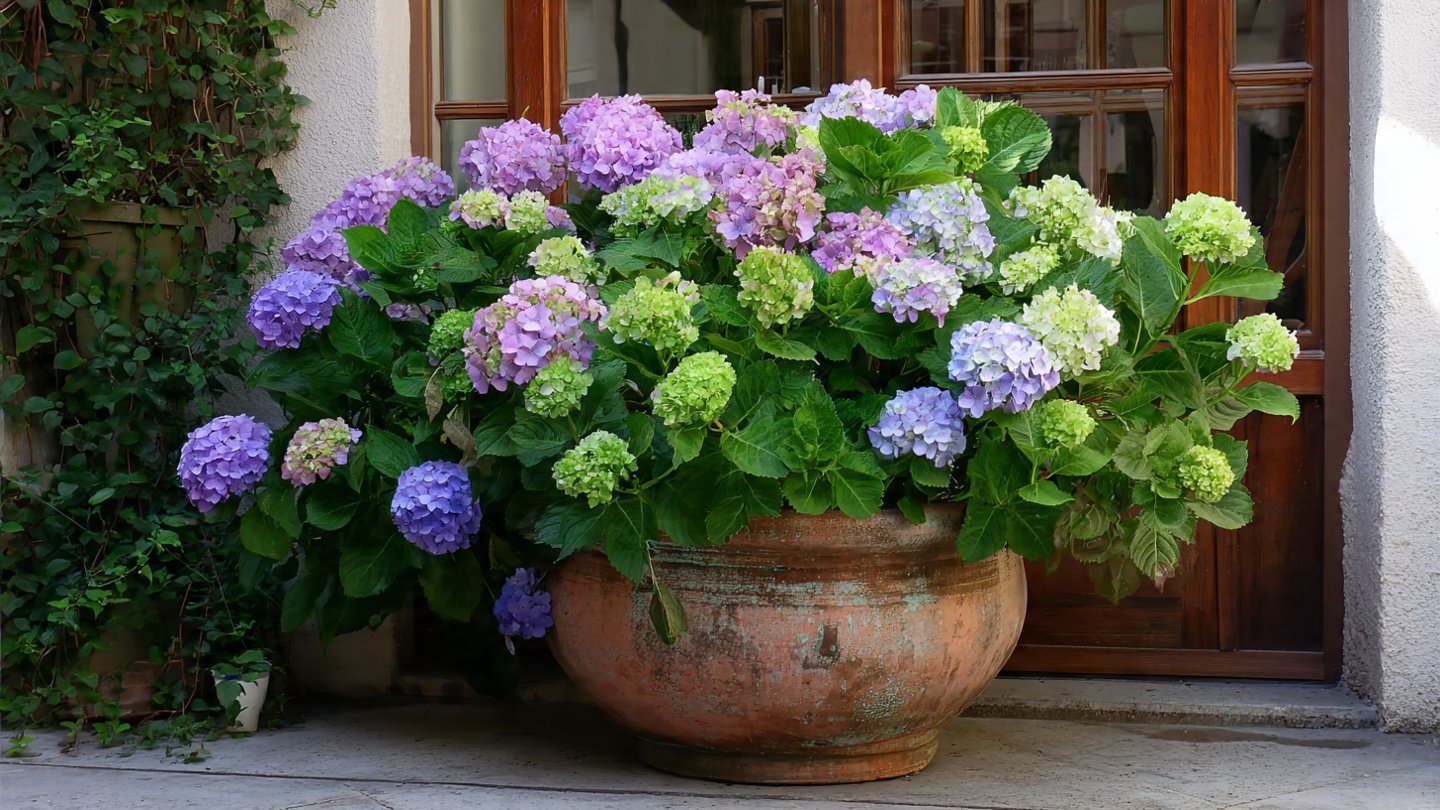
Hydrangeas are some of the most beloved flowering shrubs in gardens worldwide, known for their vibrant colors, voluminous blooms, and seasonal changes. Though they traditionally flourish in the ground, many gardening enthusiasts may wonder: can you grow hydrangeas in pots? The answer is a resounding yes! However, to achieve lush, thriving hydrangeas in containers, you must navigate certain challenges. This guide delves into effective strategies for pot cultivation of hydrangeas, ensuring that your container garden flourishes against all odds.
Understanding Hydrangeas
Before we delve into growing hydrangeas in pots, it’s crucial to understand the different types of hydrangeas and their specific needs.
Types of Hydrangeas
-
Hydrangea macrophylla: Known as bigleaf hydrangeas, these are popular for their large blooms and come in mophead or lacecap varieties.
-
Hydrangea paniculata: Also called panicled hydrangeas, these are hardy, drought-tolerant, and produce cone-shaped flower clusters.
-
Hydrangea quercifolia: Known as oakleaf hydrangeas, these feature unique leaf shapes and produce enchanting white flowers.
-
Hydrangea arborescens: Commonly referred to as smooth hydrangeas, these are easy to grow and often have large, fluffy flower heads.
Each type has different light, moisture, and soil requirements, so it’s vital to choose the right variety suited for container growth.
Selecting the Right Container
Choosing the right pot is the first critical step. Opt for a container that is at least 16-20 inches in diameter and 14-16 inches deep. This size ensures ample space for root development and helps retain moisture.
Material Considerations
-
Material: Consider using glazed ceramic, fibreglass, or high-quality plastic containers, as these can withstand temperature fluctuations better than terracotta.
-
Drainage: Ensure that your pot has adequate drainage holes. Hydrangeas are sensitive to soggy soil, which can lead to root rot.
-
Weight: Heavier pots are advantageous for larger hydrangeas, as they provide stability against wind.
Choosing the Right Soil
Hydrangeas thrive in rich, well-draining soil that retains some moisture without becoming waterlogged. Consider these soil options:
-
Potting Mix: Use a high-quality, lightweight potting mix designed for flowering plants.
-
Amending Soil: Mix in compost or well-rotted manure to improve nutrient content and drainage.
pH Considerations
Hydrangeas can exhibit different flower colors based on soil pH. For example, lower pH (more acidic) yields blue flowers, while higher pH (more alkaline) leans toward pink. Use soil testing kits to measure pH and adjust it according to your desired flower color.
Light Requirements
Hydrangeas prefer bright, indirect light but can be sensitive to intense sun exposure, especially in hotter climates.
Positioning Your Pot
-
Morning Sun: A spot that receives morning sunlight and afternoon shade is ideal for most hydrangeas.
-
Container Rotation: Regularly rotate the pot for even growth and prevent one side from leaning towards sunlight.
Observing Your Plant
Watch how your hydrangeas respond to light. If leaves scorch or blooms appear sparse, they may need more shade.
Watering Techniques
Proper watering is crucial for potted hydrangeas. Here’s how to master hydrangea hydration:
Signs of Under or Over-watering
-
Under-watering: Wilting leaves or dry soil reflects a need for moisture.
-
Over-watering: Yellowing leaves or a musty smell can indicate soggy roots.
Watering Schedule
-
Frequency: Aim to water hydrangeas deeply at least once a week, allowing the top inch of soil to dry out between waterings.
-
Seasonal Variation: Adjust your watering schedule according to weather conditions; increase frequency during hotter months.
Drip Irrigation
Consider installing a drip irrigation system or using self-watering pots for consistent moisture levels, especially during the hottest months.
Fertilizing for Flourishing Blooms
Hydrangeas benefit from fertilization, particularly during their blooming season.
Types of Fertilizers
-
Balanced Fertilizer: Use a slow-release, balanced fertilizer with an N-P-K ratio of 10-10-10 or 14-14-14.
-
Organic Options: Preferring organic options like fish emulsion or seaweed extract can provide necessary nutrients without the risk of chemical buildup.
Fertilization Schedule
-
Early Spring: Apply the first dose upon new growth.
-
Mid-July: A second application mid-summer can encourage blooming.
Foliar Feeding
Consider foliar feeding with a diluted nutrient solution once a month for continued growth and vibrancy.
Pruning Hydrangeas
Regular pruning is vital for the health and presentation of your hydrangeas. However, the timing and method differ based on the variety.
When to Prune
-
Bigleaf Hydrangeas: Prune in late summer or early fall after flowering.
-
Panicle Hydrangeas: Prune in late winter or early spring, as they bloom on new growth.
Pruning Techniques
-
Remove Deadwood: Trim away dead, damaged, or diseased branches to promote airflow.
-
Shaping: To achieve a bushy appearance, cut back about a third of the oldest stems.
-
Disbudding: Disbud some flower clusters to redirect energy to fewer, larger blooms.
Winter Care for Potted Hydrangeas
Wintering potted hydrangeas requires extra attention to prevent frost damage.
Moving Containers
-
If possible, transition your pots to a sheltered area, like a garage, like a frost-proof room, or near a south-facing wall.
-
For those in colder zones, wrapping pots in burlap or bubble wrap helps insulate the roots.
Mulching
- Add a thick layer of mulch on top of the soil to help retain moisture and warm the roots during winter months.
Pest and Disease Management
Potted hydrangeas can fall prey to various pests and diseases. Be proactive in management.
Common Pests
-
Aphids: These sap-sucking pests can be controlled with insecticidal soap.
-
Spider Mites: Look for fine webs on your plants; increase humidity around them to deter infestations.
Diseases
-
Powdery Mildew: Maintain adequate airflow and only water the base of plants to prevent this fungal issue.
-
Root Rot: Ensure proper drainage and avoid over-watering to prevent this serious condition.
Propagation Techniques
If you enjoy caring for hydrangeas, you might want to propagate new plants.
Methods of Propagation
-
Cuttings: Take 6-8 inch cuttings from healthy stems in summer, and place them in potting mix, keeping them moist.
-
Layering: Bend a stem into the soil in spring; it will root and can be severed later.
-
Seeds: Though more complex, planting seeds can yield new varieties.
Final Thoughts
Growing lush hydrangeas in pots is a rewarding endeavor, albeit one that requires attentive care, patience, and understanding of your specific plant’s needs. By selecting the right varieties, containers, soil, and positioning, and providing adequate water, nutrients, and winter care, even novice gardeners can enjoy stunning blooms.
When you overcome the odds of container gardening, you not only beautify your home but also create a therapeutic, personalized space filled with nature’s beauty. Whether on a patio, balcony, or small garden nook, your potted hydrangeas will undoubtedly become a centerpiece, enchanting all who visit your green oasis. With the right knowledge and techniques, hydrangeas can thrive, bringing lush life wherever they are planted.